Seasonal weather can put a home’s insulation to the test. During cold periods, homeowners want to keep indoor warmth from escaping. When temperatures rise, they want to prevent excessive outdoor heat from making living spaces uncomfortable. If insulation is inadequate or unevenly installed, maintaining a consistent indoor temperature can become more difficult.
Improving insulation can be a useful part of preparing a property for changing conditions. However, the best results usually come from understanding how the entire home manages heat, airflow, and moisture rather than focusing on one material alone.
How Insulation Supports Indoor Comfort
Heat naturally moves from warmer areas toward cooler ones. Insulation slows that movement through ceilings, walls, floors, and other parts of a building’s exterior envelope.
In winter, insulation can reduce heat transfer from warm indoor spaces to the colder outdoors. In summer, it can slow the movement of outdoor heat into conditioned rooms. This can help create more stable indoor temperatures, although results depend on the home’s construction, air leakage, insulation levels, and heating and cooling systems.
Insulation is not a guarantee of lower energy bills. Energy use also depends on thermostat settings, equipment efficiency, weather conditions, window performance, and household habits. Still, correcting insulation deficiencies can address one important source of unwanted heat transfer.
Check the Attic Before the Next Season
The attic is a practical place to begin an insulation review. Heat can pass through the ceiling when the insulation layer is insufficient or has gaps. During warm weather, roof heat may contribute to uncomfortable upper floors. During cold weather, inadequate attic insulation can allow more indoor heat to escape.
Look for uneven insulation coverage, exposed areas, compressed materials, or gaps around the attic hatch. Also pay attention to moisture stains, damp materials, and signs of roof leakage.
A proper assessment should consider insulation depth and condition, air leakage, ventilation, and the attic’s overall design. Attic ventilation strategies differ depending on whether the space is vented or designed as an unvented assembly. Changes should follow the building’s intended moisture-management approach rather than simply blocking openings or adding material indiscriminately.
Evaluate Exterior Walls for Temperature Differences
Some rooms remain uncomfortable even when the thermostat is set correctly. A bedroom with exterior walls may feel colder than an interior room, or certain areas may become noticeably warmer during sunny weather.
Several factors can contribute to these differences, including insulation gaps, air leakage, windows, solar exposure, and the home’s layout. Wall insulation is one factor worth evaluating, particularly in older properties or buildings that have undergone renovations.
The installation method depends on wall construction and access. A professional can help determine whether additional insulation is practical and whether other issues, such as air leakage around windows or utility penetrations, should be addressed at the same time.
Improve Comfort Around Floors and Crawl Spaces
Cold floors can be frustrating during winter, especially in rooms located above an unconditioned crawl space. Insulation below the floor may help reduce heat transfer, but it should be installed with attention to air movement and moisture conditions.
A crawl-space assessment should look for standing water, plumbing leaks, damp soil, condensation, and damaged materials. Ground moisture may need to be controlled before insulation work begins.
Some homes may benefit from a crawl-space encapsulation approach, while others require a different strategy based on their construction and local requirements. Encapsulation is not simply a matter of covering the ground; it involves planning for moisture control, air sealing, and the intended ventilation or conditioning arrangement.
Understand the Difference Between Insulation and Air Sealing
These improvements are related, but they are not identical.
Insulation slows heat movement through building materials. Air sealing reduces unwanted air movement through cracks and openings. A house may have reasonable insulation levels yet still feel drafty because air is entering around doors, windows, attic access points, or utility penetrations.
Addressing both issues can produce a more complete improvement. However, air sealing must be done carefully. Combustion appliances, fireplaces, and other equipment may require specific clearances and ventilation provisions. Exhaust fans and necessary ventilation openings should also continue to function as intended.
Choose Materials According to the Application
Homeowners have several insulation options, but the choice should be based on the location and project requirements.
- Fiberglass batts: Commonly used in accessible cavities when properly sized and installed without gaps or excessive compression.
- Blown-in cellulose: Often used to add coverage in attics and other compatible spaces, including around many obstructions.
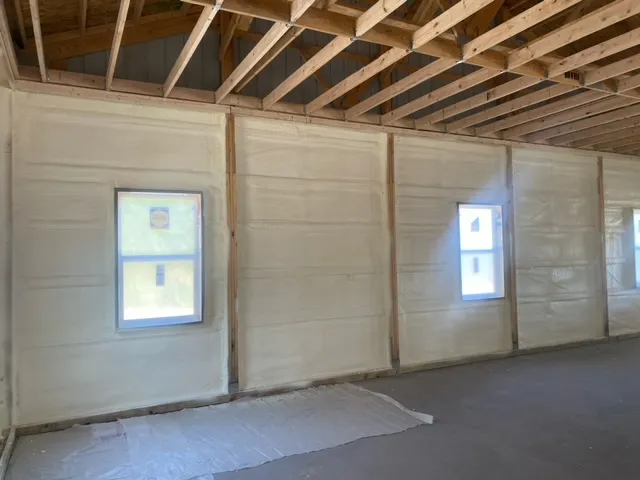
- Spray foam: Can provide insulation and air sealing in suitable applications, with product selection and installation conditions playing an important role.
- Other specialized insulation systems: May be appropriate for specific building assemblies, depending on moisture exposure, accessibility, and required performance.
Comparing insulation materials only by price or advertised R-value can be misleading. Homeowners should also consider installation quality, the condition of existing materials, moisture exposure, and whether additional preparation is needed.
Look for Moisture Problems Before Upgrading
Insulation should not be treated as a substitute for fixing leaks or controlling excess moisture. Water entering through a damaged roof, plumbing system, or foundation can affect building materials and may lead to recurring problems if the source is not corrected.
Watch for damp insulation, musty smells, water staining, or condensation that repeatedly appears in the same location. These signs warrant investigation before new insulation is installed.
Moisture management is particularly important in attics and crawl spaces, where temperature differences and airflow can affect condensation. The correct solution depends on the building assembly, indoor humidity, and local conditions.
Plan the Work Around Your Priorities
Before requesting estimates, identify the problems you want to solve. You might be dealing with a hot upstairs room, cold floors, noticeable drafts, or inconsistent temperatures between rooms.
A useful inspection should help distinguish between insulation deficiencies, air leakage, moisture issues, and other possible causes. It should also clarify which improvements are most important and whether they need to be completed together.
Property owners looking into local solutions can learn more about home insulation services in Bloomington, IL as part of their research into insulation upgrades.
Conclusion
Preparing a home for seasonal temperature changes involves more than adding insulation wherever space is available. The attic, exterior walls, floors, air leaks, and moisture conditions all influence indoor comfort.
By identifying specific problems and selecting materials suited to each application, homeowners can make more informed decisions about their properties. Careful planning and proper installation help ensure that insulation improvements address real needs and support a more comfortable home throughout the year.