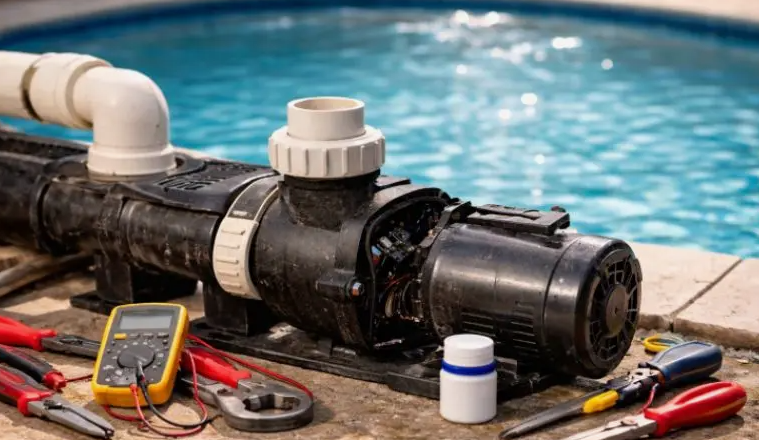
A properly functioning pool pump is essential for maintaining clean, circulating, and properly filtered pool water. When a pump begins making unusual sounds, loses pressure, leaks, overheats, or stops working, the issue can quickly affect the entire circulation system. Homeowners searching for pool pump repair near me are often looking for more than a quick fix. They want an accurate diagnosis, dependable workmanship, and practical advice about whether their existing equipment should be repaired or replaced. Understanding the most common pump problems can help property owners recognize warning signs and seek professional assistance before a minor issue develops into a more expensive equipment failure.
The demand for reliable pool equipment service continues to grow as homeowners depend on their pools for recreation, exercise, and outdoor entertainment. Searching for pool pump repair near me can be the first step toward finding a qualified professional who understands pumps, motors, filters, valves, plumbing connections, and modern circulation systems. Whether the pump is relatively new or has been operating for many years, proper diagnosis is important because similar symptoms can have very different causes. A professional inspection can help determine what needs attention and whether a targeted repair is appropriate.
Understanding How a Pool Pump Works
A pool pump creates the circulation necessary to move water through the filtration and treatment system. Water is drawn from the pool through suction lines, passes through the pump, and is pushed toward the filter before returning to the pool. Because several components work together, a problem that appears to be a pump failure may actually originate in another part of the system. A clogged basket, restricted plumbing line, air entering the suction system, or a dirty filter can all reduce circulation and place additional strain on the pump. Understanding this relationship is important because replacing a pump without identifying the underlying cause may fail to resolve the original problem. Professional troubleshooting therefore considers the complete circulation system rather than focusing exclusively on the motor.
Common Signs Your Pool Pump Needs Repair
Several warning signs can indicate that a pool pump requires professional attention. Unusual grinding, screeching, rattling, or humming sounds may point to mechanical wear, an obstruction, or motor-related trouble. Water leaking around the pump can indicate a damaged seal, connection, or housing component. Another common symptom is reduced water movement through the returns, which may be caused by a clogged basket, dirty filter, blocked impeller, suction restriction, or air leak. A pump that repeatedly loses its prime can also indicate a problem that needs investigation. Electrical symptoms deserve particular attention, especially when a pump repeatedly trips a circuit breaker or fails to start. Continuing to operate equipment that shows serious warning signs can potentially worsen the problem, so unusual changes in pump performance should be evaluated promptly.
How to Choose the Right Repair Professional
Choosing a pool equipment professional should involve more than selecting the first company that offers an appointment. Experience with different pump designs, motors, controls, plumbing configurations, and filtration systems can be valuable because equipment problems are not always straightforward. A reliable service provider should be willing to explain the suspected cause of the problem and describe the recommended repair before work begins. Clear communication also helps homeowners understand whether a repair involves a single component or whether several parts of the system require attention. It is worth asking about the diagnostic process, expected repair requirements, replacement parts, and maintenance recommendations. A professional approach should focus on solving the actual equipment problem rather than automatically recommending a complete replacement.
Repair or Replace: Which Option Makes Sense?
One of the most important decisions following a pump inspection is determining whether repair or replacement offers the more practical solution. A pump with a relatively minor issue may only need a serviceable component replaced or adjusted, while extensive mechanical damage may make replacement more appropriate. The equipment’s age, condition, repair history, efficiency, availability of parts, and expected future reliability should all be considered. Homeowners should also think about whether their current pump meets the needs of the pool’s circulation system. Modern variable-speed pumps, for example, can provide different operating options compared with older single-speed equipment. Rather than making a decision based solely on the age of the pump, property owners should compare the condition and expected service life of the existing equipment with the long-term benefits of installing a new system.
The Importance of Preventive Pool Pump Maintenance
Regular maintenance can help identify developing problems before they become major equipment failures. Pool owners should keep pump and skimmer baskets free from debris and monitor water levels to ensure the pump is receiving adequate water. Filters should be maintained according to their requirements, while visible plumbing connections, valves, lids, and seals should be checked for signs of leakage or deterioration. Changes in water flow, unusual sounds, air bubbles, or repeated loss of prime should not simply be ignored. Preventive maintenance is especially valuable because circulation equipment operates regularly and can experience gradual wear over time. Keeping the surrounding equipment clean and addressing small abnormalities early can help support more consistent operation and reduce unnecessary stress on the pump.
What Happens During Professional Pump Repair?
A professional repair typically begins with an assessment of the symptoms and an inspection of the pump and connected equipment. The technician may evaluate circulation performance, inspect baskets and impellers, examine seals and connections, and assess the motor or control system depending on the symptoms. The purpose of this process is to identify the actual source of the problem rather than replacing components based on assumptions. Once the cause is established, the homeowner can discuss the recommended repair and understand whether replacement parts or additional service are necessary. This approach is useful because pool systems differ significantly in configuration, and the correct solution depends on the equipment installed at the property. A thorough inspection also provides an opportunity to identify related problems that could affect the performance of the repaired pump.
Getting More Reliable Performance From Your Pool System
A pool pump is only one part of a larger circulation system, so long-term performance depends on the condition of the equipment surrounding it. Proper water levels, clean filtration components, unrestricted circulation, correctly functioning valves, and suitable pump operation all contribute to efficient performance. Pool owners should also avoid ignoring recurring problems simply because the pump continues to operate. A motor that sounds different, a pump that takes longer to prime, or circulation that gradually becomes weaker can indicate developing equipment trouble. Addressing these symptoms early may make troubleshooting simpler and help prevent additional components from being affected. Professional maintenance can complement homeowner care by providing periodic inspection and identifying equipment concerns that may not be obvious during everyday pool use.
Conclusion
A reliable pool pump plays a central role in maintaining effective circulation and filtration, making timely attention to equipment problems an important part of responsible pool ownership. Unusual sounds, leaks, weak circulation, repeated loss of prime, overheating, and electrical issues can all indicate that professional evaluation is needed. Homeowners should consider the condition and history of their equipment when deciding between repair and replacement rather than relying on assumptions based solely on age. For anyone searching for pool pump repair near me, the most practical approach is to choose experienced service, request a clear diagnosis, and make repair decisions based on the actual condition of the complete circulation system. Regular maintenance and early attention to warning signs can help keep pool equipment operating reliably and support a cleaner, more enjoyable swimming environment.