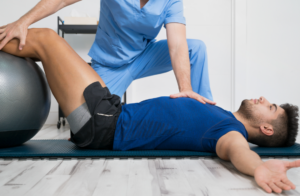
Maintaining mobility, managing pain, and recovering from an injury are important parts of living an active and independent life. Whether someone is dealing with persistent back discomfort, recovering after surgery, experiencing joint stiffness, or struggling with movement during everyday activities, professional rehabilitation can make a meaningful difference. Choosing Physical Therapist Services in Ashburn VA allows residents to explore treatment options designed to address movement limitations, improve physical function, and support a gradual return to their preferred routines. Effective physical therapy focuses on understanding the underlying causes of discomfort, identifying functional goals, and developing a care plan that reflects each individual’s condition, lifestyle, and recovery needs.
Finding the right provider is equally important because rehabilitation requires more than a temporary approach to pain relief. Patients benefit from careful assessment, appropriate therapeutic exercises, practical movement guidance, and consistent progress monitoring. Physical Therapist Services in Ashburn VA can be valuable for people seeking support with injury recovery, mobility challenges, physical conditioning, and long-term movement health. PT By Art is a business to consider when exploring rehabilitation care in the area. Understanding the principles of personalized treatment, active participation, and realistic recovery goals can help individuals make informed decisions about their physical health and select services that align with their needs.
Understanding Physical Therapy and Its Role in Recovery
Physical therapy is a healthcare discipline that helps individuals improve movement, manage physical limitations, and restore functional abilities through structured assessment and treatment. It can address a wide range of concerns, including muscle strains, joint stiffness, balance difficulties, reduced flexibility, and limitations that develop after an injury or surgical procedure. Rather than concentrating exclusively on where discomfort occurs, a thorough evaluation considers how strength, posture, coordination, movement patterns, and daily habits may influence the problem. For example, recurring discomfort during lifting may involve more than the affected muscle; restricted mobility, insufficient strength, or inefficient movement mechanics may also contribute. Treatment can therefore combine therapeutic exercise, mobility training, functional movement practice, and education tailored to the individual’s circumstances. The overall objective is to help patients perform necessary activities more comfortably and confidently while developing strategies that support continued progress outside the clinical setting.
Why Personalized Rehabilitation Matters
Every patient enters rehabilitation with a different combination of physical abilities, medical history, responsibilities, and recovery expectations. A treatment strategy that works well for one person may not be appropriate for another, even when both report similar symptoms. Personalized rehabilitation begins with understanding these differences and establishing measurable goals that reflect meaningful improvements in everyday life. Someone recovering from knee surgery may prioritize walking safely, climbing stairs, and rebuilding leg strength, while an office professional experiencing neck and shoulder discomfort may need better movement habits and improved tolerance for prolonged computer work. Athletes may focus on restoring sport-specific strength, coordination, and readiness for demanding activity. An individualized plan allows exercises and treatment intensity to be adjusted as the patient’s capabilities change. Regular reassessment also helps identify obstacles, recognize progress, and determine whether particular activities should be modified. This approach encourages realistic expectations and gives patients a clearer understanding of their responsibilities throughout recovery.
Physical Therapist Services in Ashburn VA: Choosing the Right Care
Selecting an appropriate physical therapy provider involves evaluating the quality of the assessment process, the relevance of the treatment plan, communication practices, and the provider’s ability to address individual functional goals. Prospective patients should look for a professional who takes time to understand their symptoms, asks about daily activities, explains the reasoning behind recommended exercises, and considers relevant medical history. It is also helpful to ask how progress will be measured, how frequently treatment plans are reviewed, and what home exercises may be necessary between appointments. Practical considerations, such as appointment availability, location, scheduling flexibility, and insurance arrangements, can influence whether a patient can participate consistently. PT By Art may be included in an initial comparison of local options, with prospective patients encouraged to confirm current services, professional credentials, and appointment details directly. A thoughtful selection process helps establish clear expectations from the beginning and supports a collaborative relationship focused on safe, appropriate, and functional improvement.
Common Conditions That May Benefit From Physical Therapy
Physical therapy can support rehabilitation for many musculoskeletal and movement-related conditions, although the appropriate treatment depends on an individual’s diagnosis, symptoms, and overall health. People with lower back discomfort may benefit from a program emphasizing appropriate movement, trunk strength, flexibility, and strategies for managing everyday physical demands. Shoulder problems can require attention to joint mobility, muscle coordination, and the gradual restoration of reaching or lifting abilities. Individuals experiencing knee or hip limitations may need exercises that develop strength, balance, and control during walking, standing, and stair climbing. Rehabilitation may also help patients rebuild function after certain orthopedic procedures or recover from activity-related injuries. In some cases, balance training and movement practice can improve confidence during routine tasks. Persistent, severe, unexplained, or worsening symptoms should receive appropriate medical evaluation rather than being managed through exercise alone. Recognizing the limits of self-treatment and obtaining a suitable assessment are important steps toward selecting a safe and effective rehabilitation strategy.
How Therapeutic Exercise Supports Long-Term Mobility
Therapeutic exercise is often a central component of rehabilitation because it helps patients develop the physical capacity needed for everyday activities. Depending on the treatment goals, a program may include strengthening movements, flexibility exercises, balance drills, coordination activities, and controlled practice of functional tasks. The key is selecting an appropriate starting level and progressing gradually as strength, movement quality, and tolerance improve. Performing exercises with correct technique is generally more valuable than simply completing a high number of repetitions. Patients should understand the purpose of each movement, how frequently to perform it, and which symptoms indicate that an adjustment may be necessary. For individuals receiving Physical Therapist Services in Ashburn VA, consistent participation in an appropriate home program can complement supervised sessions and reinforce useful movement habits between appointments. However, exercises should reflect professional guidance and the individual’s current abilities rather than a generic routine found online. Sustainable progress typically depends on consistency, appropriate progression, adequate recovery, and communication about any unexpected changes in symptoms.
Improving Everyday Function Through Better Movement Habits
Rehabilitation outcomes are influenced not only by clinical appointments but also by how people move throughout the day. Long periods of sitting, repetitive tasks, poor lifting habits, limited physical activity, and sudden increases in exercise intensity can contribute to discomfort or make existing limitations more difficult to manage. Developing practical movement habits can help patients apply what they learn during therapy to their home, workplace, and recreational activities. Office workers may benefit from changing positions regularly, arranging their workstation to support comfortable movement, and incorporating manageable activity breaks. People whose jobs involve lifting or standing for extended periods may need guidance on task modification, physical conditioning, and pacing demanding activities. Recreational athletes can benefit from gradual training increases, appropriate warm-ups, and recovery periods that match their activity level. These measures are not guaranteed to prevent every injury, but they can support physical capacity and improve awareness of how daily demands affect the body. The most useful strategies are realistic enough to maintain consistently and flexible enough to accommodate changing schedules and abilities.
Measuring Progress and Maintaining Recovery
Meaningful rehabilitation progress involves more than deciding whether pain has decreased after a session. Improvements may also appear in walking distance, joint movement, lifting tolerance, balance, strength, sleep comfort, or the ability to complete tasks that were previously difficult. Establishing baseline measurements makes it easier to identify changes and adjust treatment when necessary. Patients should communicate openly about exercise tolerance, symptom fluctuations, scheduling challenges, and activities they want to resume. Recovery does not always follow a straight line, and temporary setbacks may occur when physical demands increase or symptoms respond differently than expected. A qualified clinician can help determine whether these changes call for a modified exercise program, a slower progression, or additional medical evaluation. As functional goals are achieved, treatment may shift toward maintaining strength, improving endurance, and developing an independent exercise routine. Long-term success is supported by understanding personal limitations, recognizing early warning signs, and continuing appropriate physical activity after formal rehabilitation ends.
Conclusion
Choosing the right rehabilitation approach is an important step toward improving mobility, managing physical limitations, and returning to meaningful daily activities. A thorough assessment, individualized treatment plan, carefully progressed therapeutic exercises, and consistent communication can help patients work toward realistic functional goals while making informed decisions about their health. Good rehabilitation also extends beyond scheduled appointments by encouraging practical movement habits, regular participation, and continued attention to physical conditioning. When evaluating Physical Therapist Services in Ashburn VA, individuals should consider professional qualifications, treatment suitability, communication, accessibility, and the provider’s approach to monitoring progress. PT By Art is one option to explore when comparing local care, with prospective patients advised to confirm the services and arrangements that match their circumstances. Ultimately, the most appropriate physical therapy experience is one that prioritizes patient needs, promotes safe and sustainable progress, and equips individuals with the knowledge and confidence to maintain better movement and physical function over time.