peripheral nerve repair
Peripheral nerve injuries can significantly affect a person’s quality of life, causing pain, numbness, weakness, or loss of movement in different parts of the body. These injuries may occur due to trauma, surgery, accidents, sports injuries, or medical conditions that damage the nerves outside the brain and spinal cord. Fortunately, modern medicine has made remarkable progress in peripheral nerve repair, offering patients effective treatment options and improved recovery outcomes.
This article explains what peripheral nerve repair is, common causes of nerve injuries, available treatment methods, surgical procedures, recovery expectations, and the latest advancements in nerve repair technology.
What Are Peripheral Nerves?
Peripheral nerves are the network of nerves that connect the brain and spinal cord to the rest of the body. These nerves are responsible for transmitting signals that control movement, sensation, and automatic body functions.
The peripheral nervous system includes:
- Motor nerves that control muscles and movement
- Sensory nerves that transmit sensations such as touch, pain, and temperature
- Autonomic nerves that regulate involuntary functions like heart rate and digestion
When these nerves become damaged, communication between the brain and body is disrupted, leading to various symptoms depending on the type and severity of the injury.
What Is Peripheral Nerve Repair?
Peripheral nerve repair refers to medical or surgical procedures used to restore the function of damaged nerves. The goal is to reconnect or regenerate the injured nerve to improve movement, sensation, and overall function.
Peripheral nerves have some ability to regenerate naturally, unlike nerves in the central nervous system. However, severe injuries often require specialized treatment or surgery to achieve proper healing.
The type of repair depends on:
- The location of the nerve injury
- The extent of nerve damage
- The time elapsed since the injury
- The patient’s overall health
Common Causes of Peripheral Nerve Injuries
Peripheral nerve injuries can happen for many reasons. Some of the most common causes include:
Traumatic Injuries
Accidents involving sharp cuts, fractures, crush injuries, or penetrating wounds can sever or compress nerves.
Sports Injuries
Athletes may suffer nerve damage from repetitive movements, direct impacts, or stretching injuries.
Surgical Complications
In some cases, nerves may be accidentally damaged during surgical procedures.
Compression Disorders
Conditions such as carpal tunnel syndrome occur when nerves are compressed over time.
Tumors or Growths
Tumors near nerves may apply pressure and affect nerve function.
Diabetes and Medical Conditions
Chronic diseases like diabetes can cause peripheral neuropathy, leading to nerve damage over time.
Symptoms of Peripheral Nerve Damage
The symptoms of peripheral nerve injuries vary depending on the affected nerve and the severity of the damage.
Common symptoms include:
- Numbness or tingling
- Sharp or burning pain
- Muscle weakness
- Loss of coordination
- Paralysis in severe cases
- Sensitivity to touch
- Difficulty moving certain body parts
Symptoms may develop immediately after injury or gradually worsen over time.
Types of Peripheral Nerve Injuries
Peripheral nerve injuries are classified into different categories based on the level of damage.
Neurapraxia
This is the mildest form of nerve injury. The nerve remains intact but temporarily stops functioning properly. Recovery usually occurs within weeks or months.
Axonotmesis
The nerve fibers are damaged, but the surrounding structures remain intact. Regeneration is possible, although recovery may take several months.
Neurotmesis
This is the most severe type of injury where the nerve is completely severed. Surgical repair is often necessary.
Diagnosis of Peripheral Nerve Injuries
Proper diagnosis is essential for planning effective treatment.
Doctors may use several methods to evaluate nerve injuries, including:
Physical Examination
The doctor assesses muscle strength, sensation, reflexes, and movement.
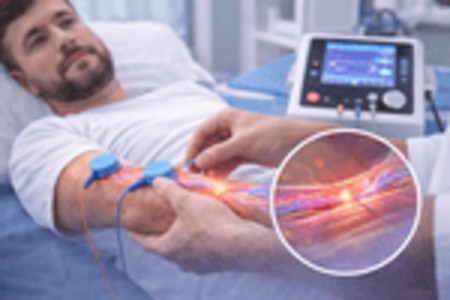
Electromyography (EMG)
EMG measures electrical activity in muscles to evaluate nerve function.
Nerve Conduction Studies
These tests measure how quickly electrical signals travel through the nerves.
Imaging Tests
MRI, ultrasound, or CT scans may help identify structural damage or compression.
Non-Surgical Treatment Options
Not all nerve injuries require surgery. Mild to moderate injuries may heal with conservative treatment.
Physical Therapy
Physical therapy helps maintain muscle strength, improve flexibility, and prevent stiffness during recovery.
Medications
Doctors may prescribe pain relievers, anti-inflammatory medications, or nerve pain medications.
Splints and Braces
These devices help protect injured nerves and support proper healing.
Occupational Therapy
Occupational therapy helps patients regain daily living skills and improve hand or limb function.
Surgical Peripheral Nerve Repair
Severe nerve injuries may require surgical intervention to restore function.
Direct Nerve Repair
If the nerve ends can be brought together without tension, surgeons stitch the severed ends directly.
Nerve Grafting
When there is a gap between nerve ends, a nerve graft may be used to bridge the defect. The graft is often taken from another part of the patient’s body.
Nerve Transfer
In this procedure, a healthy nearby nerve is redirected to restore function to the damaged nerve.
Tendon Transfer
If nerve repair alone cannot restore movement, tendon transfer surgery may help improve function.
Recovery After Peripheral Nerve Repair
Recovery from peripheral nerve repair can vary greatly depending on the type of injury and treatment.
Peripheral nerves regenerate slowly, typically at a rate of about one millimeter per day. This means recovery may take several months or even years.
Factors Affecting Recovery
Several factors influence recovery outcomes:
- Age of the patient
- Severity of the injury
- Time between injury and treatment
- Type of nerve involved
- Overall health and rehabilitation efforts
Rehabilitation Process
Rehabilitation plays a critical role in successful recovery. Patients may need:
- Physical therapy
- Occupational therapy
- Strengthening exercises
- Sensory re-education
- Pain management
Consistency with rehabilitation programs often leads to better long-term results.
Risks and Complications
Like any medical procedure, peripheral nerve repair carries certain risks.
Possible complications include:
- Infection
- Scar tissue formation
- Persistent pain
- Incomplete recovery
- Muscle stiffness
- Failure of nerve regeneration
Early diagnosis and treatment can help minimize complications.
Latest Advances in Peripheral Nerve Repair
Medical technology continues to improve outcomes for patients with nerve injuries.
Bioengineered Nerve Conduits
Researchers have developed synthetic tubes that guide nerve regeneration and reduce the need for nerve grafts.
Stem Cell Therapy
Stem cells are being studied for their ability to promote nerve healing and regeneration.
Growth Factors
Scientists are exploring the use of growth factors to stimulate nerve repair and improve recovery.
Microsurgical Techniques
Advanced microsurgery allows surgeons to repair tiny nerves with greater precision and success rates.
Electrical Stimulation Therapy
Electrical stimulation may help accelerate nerve regeneration and improve muscle recovery.
Preventing Peripheral Nerve Injuries
While not all injuries can be prevented, certain measures may reduce the risk.
Practice Workplace Safety
Using protective equipment and following safety procedures can help prevent traumatic injuries.
Manage Chronic Conditions
Proper control of diabetes and other medical conditions helps reduce nerve damage risks.
Maintain Good Posture
Avoiding repetitive strain and maintaining proper posture can prevent nerve compression disorders.
Exercise Regularly
Regular exercise improves circulation, muscle strength, and overall nerve health.
When to Seek Medical Attention
Prompt medical evaluation is important if you experience symptoms such as:
- Sudden weakness
- Loss of sensation
- Persistent numbness
- Severe pain after injury
- Difficulty moving limbs
Early treatment increases the likelihood of successful nerve recovery.
Conclusion
Peripheral nerve repair is an essential medical field that helps restore movement, sensation, and quality of life for individuals with nerve injuries. Advances in surgical techniques, rehabilitation methods, and regenerative medicine have greatly improved treatment outcomes in recent years.
Whether the injury is caused by trauma, compression, surgery, or disease, early diagnosis and proper treatment are critical for successful recovery. Depending on the severity of the damage, treatment may involve physical therapy, medications, or advanced surgical procedures such as nerve grafting or nerve transfers.
Recovery from peripheral nerve injuries can take time and patience, but many patients experience significant improvement with appropriate care and rehabilitation. As medical technology continues to evolve, the future of peripheral nerve repair looks increasingly promising, offering new hope for faster healing and better functional recovery.