
Pakistan’s textile and apparel sector isn’t a secondary industry propped up by a handful of exporters — it’s the country’s single largest export earner, built on genuine structural advantages that predate any individual factory’s marketing claims. For an international buyer evaluating Pakistan as a sourcing destination, understanding the industry’s actual scale, market access, and current pressures gives a far more useful foundation than any single supplier’s pitch alone.
The Scale of Pakistan’s Textile and Apparel Sector
Textile and apparel exports account for roughly 60 percent of Pakistan’s total national export earnings, making the sector by far the country’s dominant export category — a concentration that shapes everything from government trade policy priorities to the scale of industrial investment the sector attracts. The industry supports a workforce in the millions, spanning everything from cotton cultivation and spinning through finished garment production, which gives buyers access to a genuinely deep, specialized labor base rather than a shallow, recently assembled manufacturing capacity.
What GSP+ Market Access Actually Means for Buyers
Pakistan holds GSP+ status with the European Union — an enhanced preferential trade arrangement that allows a large share of Pakistani exports, apparel included, to enter the EU market duty-free or at significantly reduced tariffs, compared to the standard duty rate that would otherwise apply to garments from a non-preferential sourcing country. For a buyer shipping into the EU specifically, this can represent a meaningful landed-cost advantage over sourcing the same product from a country without equivalent preferential access.
This access comes with ongoing compliance obligations — Pakistan’s GSP+ status requires continued adherence to a set of international conventions covering labor rights, human rights, environmental standards, and governance, with periodic reviews of how well those commitments are actually implemented in practice rather than simply written into law. This compliance framework is part of why export-oriented factories in Pakistan tend to be among the more closely audited parts of the country’s manufacturing economy, which is relevant information for a buyer evaluating a specific factory’s certifications and audit history.
Where Pakistan’s Apparel Exports Actually Go
The European Union, United States, and United Kingdom together account for the overwhelming majority of Pakistan’s textile and apparel exports, with the EU holding the largest single share. This concentration means Pakistan’s export industry has deep, long-standing experience with the documentation, compliance, and shipping requirements specific to these major Western markets — infrastructure and institutional knowledge that a newer or less export-concentrated manufacturing country may not have built to the same depth.
A Natural Raw Material Advantage: Domestic Cotton Supply
Pakistan produces a meaningful share of the world’s raw cotton, giving its textile and apparel sector a domestic fiber supply chain that doesn’t depend on importing raw materials before manufacturing can even begin. This shortens the overall supply chain for cotton-based garments specifically — tees, hoodies, sweatshirts, and other cotton-heavy staples — compared to a manufacturing region that must source raw cotton internationally before spinning and weaving can begin.
Manufacturing Clusters: Why Geography Matters Within Pakistan
Apparel export production in Pakistan concentrates heavily in a handful of manufacturing clusters, each with its own specialization built up over decades. Karachi and Lahore serve as major textile and garment production centers with broad manufacturing capability, Faisalabad carries deep textile and weaving industry roots, and Sialkot’s manufacturing base — built originally around sports equipment and goods — has extended into sportswear and broader apparel production, drawing on the same export infrastructure and generational craft skill that built its original reputation. Buyers researching specific suppliers benefit from understanding which cluster a factory operates in, since regional specialization often reflects genuine depth of relevant experience rather than an arbitrary location choice.
Export Infrastructure Supporting the Industry
The large majority of Pakistan’s textile and apparel exports ship through a small number of major ports, reflecting infrastructure built specifically around the scale of the country’s textile export volume rather than general cargo shipping capacity. This concentration of export logistics around established, high-volume shipping routes tends to produce more predictable shipping timelines and fewer customs complications than exporting through less specialized infrastructure would.
The Sustainability and Compliance Shift Buyers Should Expect
The EU’s ongoing shift toward circular fashion requirements — covering recycling, supply-chain traceability, and new digital product documentation standards expected to phase in over the coming years — is actively pushing Pakistan’s export-oriented manufacturers to invest in tracking and sustainability systems ahead of these requirements taking full effect. Leading export factories have already begun this investment, though industry readiness varies meaningfully across the sector, which makes it worth asking a specific supplier directly about their current compliance and traceability systems rather than assuming the entire industry has reached the same readiness level uniformly.
Competitive Pressure Worth Understanding Honestly
Pakistan’s apparel export industry doesn’t operate without real competitive pressure. India’s recently concluded trade negotiations with the EU are set to bring Indian textile and apparel exports to zero tariff on a similar timeline to Pakistan’s existing GSP+ access, which could narrow or erode the preferential-access advantage Pakistan has held relative to India in the EU market. Bangladesh remains another significant competitor in the same buyer markets. None of this undermines Pakistan’s genuine strengths — established infrastructure, skilled labor, and domestic cotton supply don’t disappear because of a competitor’s new trade deal — but it’s a realistic part of the picture for a buyer thinking about long-term sourcing strategy rather than a single order.
What This Means for Working With a Clothing Exporter From Pakistan
For a buyer evaluating a specific clothing exporter from Pakistan, this broader industry context translates into practical due diligence questions: what certifications and compliance audits does this specific factory hold, given the GSP+ framework the whole industry operates under? Which manufacturing cluster are they based in, and does that match their stated specialization? How are they responding to the EU’s upcoming traceability and circular fashion requirements? A factory able to answer these clearly, with specifics rather than general reassurance, is demonstrating the kind of institutional awareness that reflects genuine participation in this export ecosystem rather than an isolated, disconnected operation.
Where Jackets, Hoodies, and Sweatshirts Fit Into This Broader Industry
Pakistan’s strength in cotton-based apparel production shows up clearly in categories like hoodies and sweatshirts, where the domestic cotton supply chain shortens sourcing time and supports competitive fabric pricing. A hoodie manufacturer in Pakistan or a sweatshirt supplier in Pakistan operating within this broader export ecosystem generally benefits from easier access to consistent fleece and jersey fabric sourcing than a factory operating outside an established textile cluster.

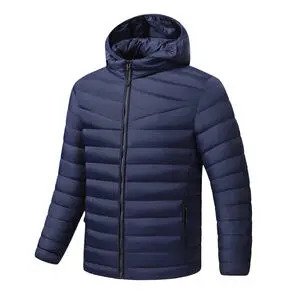
Outerwear sits slightly differently — a jacket manufacturer working with more technical fabrics and components (ripstop nylon, zippers, insulation) draws less directly on the domestic cotton advantage but still benefits from the same export infrastructure, compliance experience, and established shipping relationships that support the wider industry.
Sourcing With the Full Picture in Mind
Understanding Pakistan’s apparel export industry at this level — its genuine scale, the real market access GSP+ provides, the compliance obligations attached to it, and the competitive pressures it currently faces — gives an international buyer a far more grounded basis for evaluating a specific factory than relying on a single supplier’s self-description. The strongest sourcing relationships tend to start from this kind of informed footing, where a buyer understands not just what a factory claims to offer, but the broader industry context that claim sits within.