Organic Pine Pollen Tincture Benefits
Pine pollen has gained attention as a natural botanical ingredient among people interested in traditional wellness, plant-based nutrition, and herbal products. Available as powder, capsules, and liquid extracts, organic pine pollen tincture is particularly popular because it provides pine pollen in a concentrated liquid form that can be easy to incorporate into a daily wellness routine.
But what makes pine pollen tincture different from other forms of pine pollen? What are the potential benefits, and what should you consider before using it? This guide explores the potential organic pine pollen tincture benefits, nutritional characteristics, traditional uses, and practical considerations.
What Is Organic Pine Pollen Tincture?
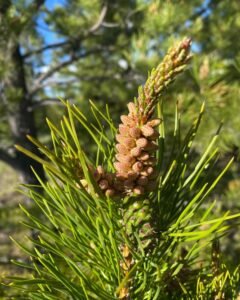
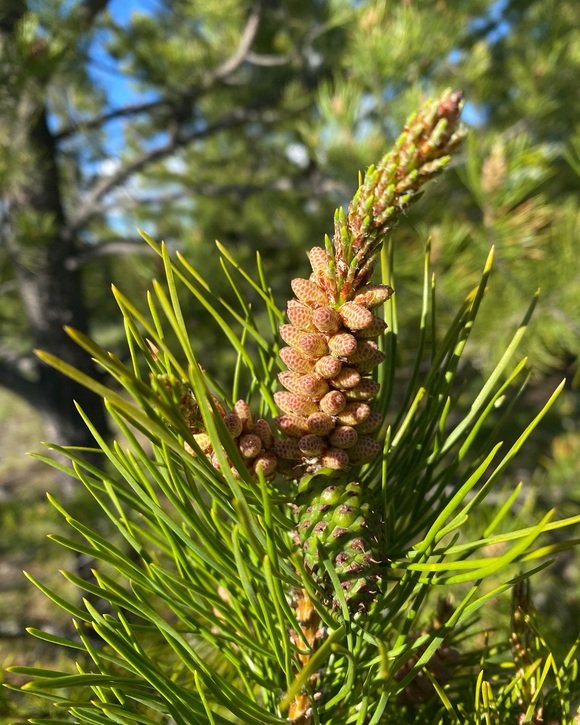
Pine pollen is the fine yellow powder produced by male pine cones. It has been used traditionally in parts of East Asia for generations as a botanical food and wellness ingredient.
A tincture is a liquid preparation made by extracting plant compounds into a liquid medium, commonly alcohol, glycerin, or another suitable solvent. The extraction process can make certain naturally occurring compounds easier to consume in liquid form.
An organic pine pollen tincture is made using organically grown or harvested pine pollen and an appropriate extraction medium. Depending on the manufacturer, the product may contain only pine pollen and the extraction liquid or may include additional botanical ingredients.
Because formulations vary considerably, consumers should always check the ingredient list, extraction method, serving instructions, and certification information.
1. Convenient Way to Consume Pine Pollen
One of the most practical benefits of a pine pollen tincture is convenience.
Pine pollen powder can be mixed into smoothies, drinks, yogurt, or other foods, while capsules require swallowing a solid supplement. A tincture can typically be measured using a dropper and added to water or another beverage according to the manufacturer’s directions.
This can make liquid pine pollen extracts appealing to people who prefer flexible supplementation.
The concentrated nature of tinctures also means that a relatively small serving can provide the botanical extract without requiring a large quantity of powder.
2. Contains Naturally Occurring Plant Nutrients
Pine pollen naturally contains a variety of nutrients and bioactive plant compounds. Its nutritional profile can include proteins, amino acids, carbohydrates, lipids, vitamins, minerals, and other naturally occurring compounds.
However, the exact composition depends on the pine species, geographical location, harvesting conditions, processing methods, and extraction technique.
It is therefore better to view pine pollen tincture as a botanical supplement rather than a replacement for a balanced diet.
If a product provides laboratory testing or a certificate of analysis, this information can offer greater insight into its composition and quality.
3. Antioxidant Potential
Another frequently discussed area of interest is the antioxidant potential of pine pollen.
Antioxidants are compounds that help protect cells from oxidative stress caused by reactive molecules. Plant-based foods and botanicals can contain various compounds with antioxidant activity.
Research into pine pollen and its extracts has identified several naturally occurring compounds that may contribute to antioxidant activity. However, laboratory findings do not automatically mean that consuming a pine pollen tincture will produce the same effects in humans.
For this reason, antioxidant properties should be considered a potential characteristic of pine pollen rather than a guaranteed health outcome.
4. Traditionally Used for General Wellness
Pine pollen has a long history of traditional use as a nutritional and wellness ingredient.
Traditional applications should not be confused with clinically established medical benefits. Modern research is still investigating how different compounds found in pine pollen may interact with the human body.
People interested in traditional herbal practices may choose pine pollen tincture as part of a broader wellness routine that includes nutritious food, physical activity, adequate sleep, and stress management.
A supplement should complement these habits rather than replace them.
5. Easy to Add to a Daily Routine
Consistency is often important when people establish a wellness routine. Because tinctures are portable and relatively simple to measure, they can be convenient for people with busy schedules.
Depending on the product’s instructions, a few drops or a measured serving may be taken directly or diluted into water.
Some people prefer liquid supplements because they can adjust the serving more easily than with fixed-dose capsules. However, serving sizes should always follow the manufacturer’s recommendations rather than being adjusted arbitrarily.
6. May Provide Plant-Based Bioactive Compounds
Pine pollen contains naturally occurring phytochemicals, including flavonoids, phenolic compounds, sterols, and other plant constituents.
These compounds are one reason pine pollen has attracted scientific interest. Researchers have investigated pine pollen extracts for antioxidant and other biological activities in laboratory and animal studies.
Importantly, research on a specific pine pollen extract cannot automatically be applied to every commercial tincture. Extraction techniques can influence which compounds are present and in what concentrations.
When choosing a product, consumers may therefore want to look for transparent information about the pine species, sourcing, extraction method, and testing.
7. Organic Sourcing Can Be an Important Consideration
For consumers specifically looking for an organic product, certification and sourcing information matter.
Organic agricultural standards vary between countries and certification systems, so the term “organic” should ideally be supported by recognized certification rather than used only as a marketing description.
Organic sourcing may be appealing to consumers who want products produced according to particular agricultural and processing standards.
However, organic certification does not automatically mean that a supplement is more effective or medically superior. Quality also depends on harvesting, processing, storage, testing, and manufacturing practices.
Pine Pollen Tincture vs. Pine Pollen Powder
Both tinctures and powders have advantages.
Pine pollen powder is a whole-food-style botanical ingredient that can be incorporated into recipes and beverages. It may also retain components that are not necessarily extracted into a tincture.
Pine pollen tincture, on the other hand, provides a liquid preparation that can be convenient for people who prefer drops rather than powder.
The better format depends on individual preferences, intended use, ingredient composition, and product quality.
Neither form should automatically be considered superior simply because it is more concentrated or easier to consume.
How to Choose a Quality Organic Pine Pollen Tincture
Not all tinctures are manufactured to the same standards. When shopping for an organic pine pollen tincture, consider the following factors:
1. Clear ingredient list: Look for products that clearly identify pine pollen and all other ingredients.
2. Organic certification: If organic sourcing is important to you, check for legitimate certification and not simply an “organic” claim on the label.
3. Transparent sourcing: Information about the pine species and harvesting region can provide useful insight into product quality.
4. Third-party testing: Independent laboratory testing can help verify product identity, purity, and the absence of certain contaminants.
5. Extraction information: A reputable manufacturer should provide reasonable information about how the tincture is produced.
6. Proper packaging: Botanical extracts should be stored in suitable containers and protected from excessive heat, light, or moisture.
Are There Any Precautions?
Natural does not necessarily mean risk-free. People can react differently to botanical products.
Anyone with a known pollen allergy should exercise particular caution with pine pollen products. Individuals who are pregnant or breastfeeding, have an existing medical condition, take prescription medications, or are considering supplements for a specific health problem should consult a qualified healthcare professional before use.
It is also important to follow the serving instructions provided by the manufacturer and avoid assuming that taking more will provide greater benefits.
If you experience an unusual reaction after consuming a botanical supplement, discontinue use and seek appropriate medical advice.
The Bottom Line
The potential organic pine pollen tincture benefits largely relate to its convenience, plant-based nutritional compounds, and naturally occurring bioactive constituents. Pine pollen has attracted scientific interest because of its antioxidant activity and diverse phytochemical profile, while its traditional use gives it a long history as a botanical wellness ingredient.
However, more human research is needed before strong health claims can be made about pine pollen tinctures. Results from laboratory or animal studies should not be interpreted as proof that a particular commercial tincture will treat or prevent a medical condition.
For people interested in trying one, product quality is important. Look for transparent sourcing, credible organic certification, clear labeling, appropriate manufacturing practices, and independent testing where available.
Ultimately, an organic pine pollen tincture can be considered as one optional addition to a broader wellness routine—but it should complement, rather than replace, a balanced diet, regular physical activity, good sleep, and professional medical care when needed.