A nose problem can start small and become surprisingly disruptive over time. You might initially notice a blocked nostril in the morning, occasional difficulty breathing or recurring nasal congestion, but after weeks or months, you may realise that the problem is affecting how you sleep, exercise, work and go through your normal day.
For people searching for a nose specialist Singapore, the important question is not simply whether the nose feels blocked today. What matters is understanding why the symptoms continue, whether there is an underlying condition contributing to them and whether specialist assessment could provide a clearer direction for treatment.
When Should You See A Nose Specialist Singapore?
A specialist assessment may be worth considering when nasal symptoms are persistent, frequently recurring or affecting your quality of life. This can include difficulty breathing through the nose, ongoing congestion, recurring sinus-related symptoms, changes in smell or nasal symptoms that repeatedly return after temporary improvement.
You do not necessarily have to wait until the symptoms become severe. If a nasal problem has become a regular part of your daily routine and you are constantly adapting around it, that alone can be a good reason to discuss the problem with a medical professional.
What Can Cause Persistent Nasal Congestion?
Persistent congestion can have different causes, which is why there is no universal treatment for every blocked nose. Allergies and inflammation may cause swelling inside the nasal passages, while sinus-related conditions can produce congestion alongside other symptoms.
The structure of the nose can also influence airflow. A deviated septum or other anatomical narrowing may contribute to obstruction, particularly when breathing difficulty is persistent or more pronounced on one side.
Why Does My Nose Feel Blocked Even When I Am Not Sick?
This is a common reason people begin searching for a nose specialist Singapore. When there is no obvious cold or infection but the nose still feels congested, it can be difficult to know whether the problem is caused by allergies, inflammation, anatomy or another condition.
Persistent symptoms should be considered in context rather than diagnosed from congestion alone. A specialist can take your medical history, assess your symptoms and examine the nasal passages to determine whether further investigation may be appropriate.
What If Your Nose Is Worse At Night?
Nasal obstruction can become more noticeable when you are lying down. If you already have congestion or inflammation, nighttime can make comfortable nasal breathing more difficult and may encourage mouth breathing.
If you regularly go to bed with a blocked nose or wake up feeling congested, mention this during your consultation. The timing of your symptoms can provide useful information about how the nasal problem behaves throughout the day.
What If Only One Side Is Difficult To Breathe Through?
Persistent one-sided obstruction is another symptom worth paying attention to. Although nasal airflow naturally changes between the two sides, consistently significant difficulty on one side may have a structural or inflammatory explanation.
A nose specialist can assess whether the nasal anatomy may be contributing to the reduced airflow. The goal is to understand the reason for the obstruction rather than assuming that every blocked nostril is simply caused by congestion.
Could Your Nose Be Affecting Your Sense Of Smell?
Nasal congestion can sometimes affect the way you perceive smells. You may notice that familiar scents seem weaker or that your sense of smell changes whenever your nose becomes particularly blocked.
Persistent or unexplained changes should be discussed during a medical assessment. Your sense of smell is an important part of nasal function, and changes can provide additional information when evaluating a broader nasal or sinus problem.
What Happens When You Visit A Nose Specialist?
Your consultation usually begins with a discussion about your symptoms and medical history. The specialist may ask when the problem started, how often it occurs, whether one side is worse and whether you experience other symptoms such as discharge, facial pressure or changes in smell.
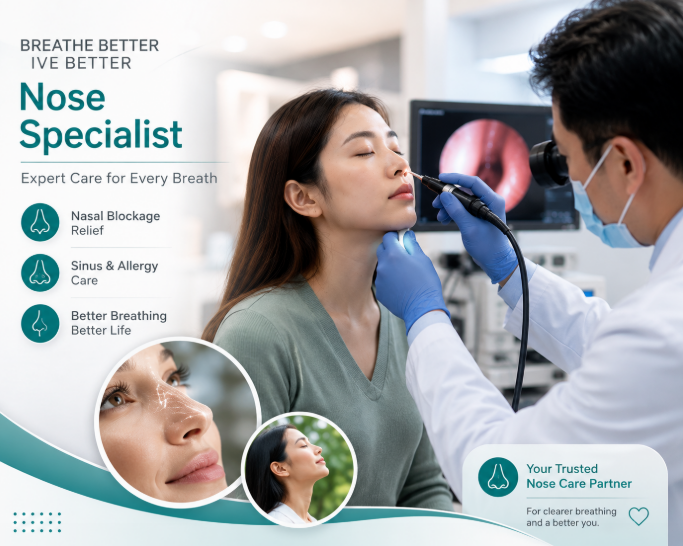
The nose may then be examined to identify relevant findings. Depending on the symptoms and clinical assessment, a nose specialist Singapore may recommend additional examination such as nasal endoscopy when a closer view of the nasal passages is appropriate.
Why Is A Proper Diagnosis Important?
Several different nasal conditions can produce very similar symptoms. A person with allergies, for example, may experience congestion, while someone with a structural issue may also describe difficulty breathing through the nose.
This overlap is why treating the symptom without understanding the underlying cause may not always provide a lasting solution. A proper assessment allows the specialist to consider the complete picture before discussing suitable management options.
What If Previous Treatment Only Worked For A While?
Temporary improvement followed by recurring symptoms can be frustrating. If the problem keeps coming back, it may be useful to reassess the situation rather than simply repeating the same approach without understanding why the symptoms return.
There may be more than one contributing factor. A person could have ongoing inflammation alongside a structural issue, for example, or symptoms may be influenced by environmental triggers. A specialist evaluation can help identify which factors may be relevant.
Does A Nose Specialist Always Recommend Surgery?
No. Seeing a nose specialist does not automatically mean that surgery is necessary. The treatment approach depends on the underlying condition, the severity of symptoms and the findings from the clinical assessment.
Some nasal problems can be managed without surgery, while certain structural or persistent conditions may require a discussion about procedures. The important part is understanding why a particular treatment is being considered and what alternatives may be available.
What Should You Bring To Your Consultation?
You do not need to prepare a complicated medical report. Simply having a clear idea of how your symptoms behave can make the consultation more useful.
Think about when the problem started, whether your nose is blocked throughout the day, whether one side is worse, whether symptoms affect sleep and whether your sense of smell has changed. Previous treatment and the duration of any improvement can also be helpful information.
How To Find A Nose Specialist Singapore
When looking for a nose specialist Singapore, consider whether the specialist regularly manages nasal and sinus concerns that are relevant to your symptoms. The right choice can depend on the type of problem you are experiencing rather than simply selecting the nearest clinic.
Accessibility can also be important if your condition requires follow-up. At the same time, understanding the specialist’s area of practice and the type of examination available can help you make a more informed decision about where to seek care.
Frequently Asked Questions About Nose Specialist Singapore
What does a nose specialist Singapore do?
A nose specialist Singapore assesses and manages conditions affecting the nose and related sinus areas, including nasal obstruction, persistent congestion, breathing difficulties, inflammation and changes in smell.
When should I see a nose specialist?
Consider specialist assessment if your symptoms persist, repeatedly return or interfere with breathing, sleep, exercise, work or everyday comfort.
Why is my nose constantly blocked?
Possible causes include allergies, inflammation, sinus-related conditions and structural factors inside the nose. The exact cause varies from person to person.
Is one-sided nasal blockage a concern?
Persistent one-sided obstruction may have several possible causes and can be assessed by a specialist, particularly when it continues or affects comfortable breathing.
Can a nose specialist help with sinus problems?
A nose specialist can evaluate symptoms involving the nose and sinus areas and determine whether further examination or treatment may be appropriate.
Can nasal congestion affect sleep?
Yes. Significant nasal obstruction can make comfortable nasal breathing more difficult at night and may lead some people to rely more on mouth breathing.
Can a nose specialist check changes in smell?
Yes. Changes in smell can be discussed as part of an assessment of nasal and sinus health, especially when they occur together with congestion or other symptoms.
Will I need surgery if I see a nose specialist?
Not necessarily. Treatment depends on the underlying cause, and non-surgical management may be appropriate for some conditions.
What is nasal endoscopy?
Nasal endoscopy is an examination that allows a specialist to view structures inside the nasal passages more closely. Whether it is needed depends on the individual clinical assessment.
How do I choose a nose specialist Singapore?
Consider the specialist’s area of practice, relevance to your symptoms, available assessment and practical accessibility, particularly if follow-up appointments may be needed.
A Better Understanding Starts With The Right Assessment
It is easy to become accustomed to a blocked nose when the problem develops gradually. But constantly adapting your breathing, sleep or daily routine around nasal symptoms may be a sign that the issue deserves a closer look.
If you are searching for a nose specialist Singapore, consider getting your symptoms properly assessed instead of continuing to guess what is causing them. Understanding the possible source of the problem can give you clearer information about your condition and help you discuss the most appropriate next steps with a qualified specialist.