Whiskey has long been associated with rich flavors, relaxing evenings, social gatherings, and classic cocktails. But not everyone wants the alcohol that comes with traditional whiskey. Some people choose to avoid alcohol for personal reasons, while others simply want a drink they can enjoy at any time of the day.
That is where non alcoholic whiskey comes into the picture. Modern alcohol-free drinks are becoming more sophisticated, offering familiar flavors without the effects of alcohol. They can be enjoyed neat, over ice, or mixed into creative drinks.
What Is Non Alcoholic Whiskey?
Non alcoholic whiskey is a drink designed to capture some of the flavor, aroma, and experience of traditional whiskey without the usual alcohol content. Depending on the brand and production method, these drinks may contain zero alcohol or a very small amount that meets the manufacturer’s definition of alcohol-free.
Unlike traditional whiskey, which is made by fermenting and distilling grains, alcohol-free alternatives can use a mixture of botanicals, spices, natural flavors, extracts, teas, and other ingredients to create a whiskey-style profile.
The goal is not always to copy every characteristic of aged whiskey. Instead, many products focus on familiar notes such as oak, vanilla, caramel, smoke, spice, and toasted grains.
How Is It Made?
There is no single recipe for making non alcoholic whiskey. Different producers use different techniques to create their flavor profiles.
Some begin with a distilled or fermented base and then remove the alcohol. Others create an alcohol-free drink from the beginning using botanical ingredients and flavor extracts.
Common ingredients can include:
- Oak extracts
- Vanilla
- Cinnamon
- Cloves
- Tea
- Caramel flavors
- Dried fruit extracts
- Herbs and spices
- Natural flavor compounds
The production method can have a major impact on the final taste. Some products are designed to resemble bourbon, while others aim for a Scotch-inspired smoky character.
What Does It Taste Like?
Taste is probably the biggest question for anyone considering an alcohol-free whiskey alternative.
Traditional whiskey gets much of its character from alcohol, aging, barrels, and the interaction between different compounds during production. Removing alcohol changes the texture and sensation considerably.
Still, high-quality alternatives can provide a surprisingly complex experience. You may notice flavors of vanilla, oak, caramel, pepper, cinnamon, dried fruit, or smoke.
Some products are sweet and smooth, while others are dry and spicy. A few have a strong smoky character that works especially well in mixed drinks.
In my view, expectations matter. If you expect an alcohol-free product to taste exactly like a 12-year-old whiskey, you may be disappointed. If you judge it as its own type of drink, the experience can be much more enjoyable.
Why Are People Choosing It?
There are many reasons consumers are becoming interested in alcohol-free alternatives.
One major reason is the desire to reduce alcohol consumption without giving up the social experience of having a sophisticated drink. Someone attending a dinner, business event, or party can have a whiskey-style beverage without drinking traditional spirits.
Another benefit is flexibility. An alcohol-free drink can be suitable for occasions when people want to stay clear-headed, such as daytime gatherings or events where driving is involved.
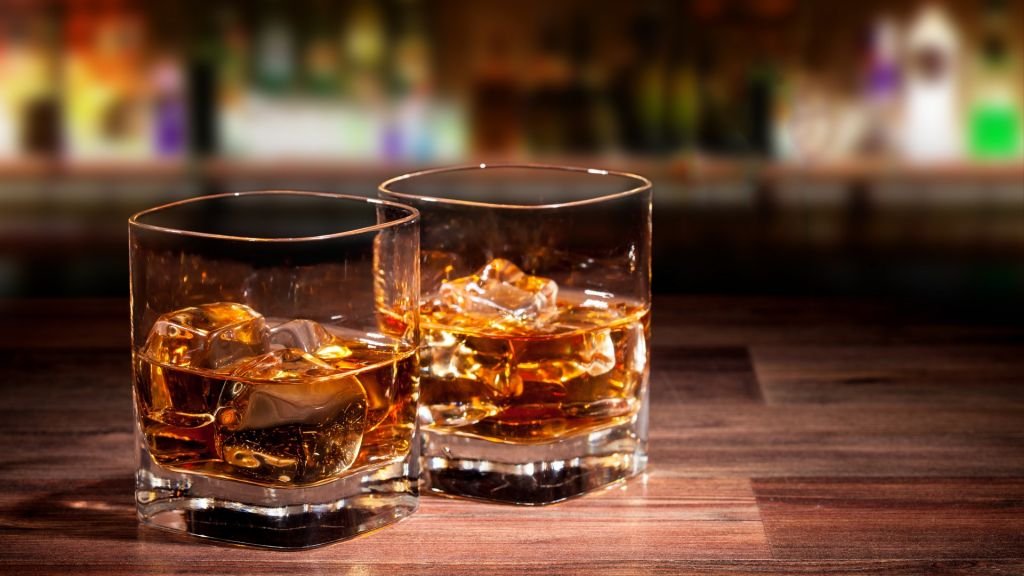
Some people also enjoy the ritual. Pouring a drink into a glass, adding ice, and slowly enjoying the aroma can make an ordinary evening feel special.
Of course, individual products vary, so checking the label for ingredients, calories, sugar, and alcohol content is always a good idea.
How Can You Drink It?
There are several simple ways to enjoy an alcohol-free whiskey alternative.
Serve It Neat
Pour a small amount into a suitable glass and taste it without mixers. This is a good way to understand the product’s natural flavor.
Add Ice
Ice can soften stronger flavors and make the drink more refreshing. Large ice cubes are often a good choice because they melt more slowly.
Mix It With Cola
A whiskey-style drink with cola is an easy option. Add ice, pour in the alcohol-free spirit, and top it with cola. A small slice of lemon can add extra freshness.
Make a Mocktail
You can also use it as the foundation for alcohol-free cocktails. Ginger ale, ginger beer, citrus juice, tonic water, and bitters-style non-alcoholic ingredients can all work well.
Is It Similar to Sulfite Free Wine?
People exploring alcohol-free beverages sometimes compare spirits with products such as sulfite free wine. Although both can appeal to consumers looking for different beverage options, they are made in very different ways.
Wine is traditionally produced from fermented grapes, while whiskey-style alternatives may rely on botanical extracts, flavorings, teas, spices, or other ingredients.
It is also important to remember that “sulfite-free” and “alcohol-free” describe different characteristics. A beverage can be alcohol-free without being sulfite-free, and a wine labeled sulfite free wine does not automatically mean it contains no alcohol.
Always read the product label if you are avoiding a particular ingredient.
Can You Cook With It?
Yes. Alcohol-free whiskey alternatives can be used in some recipes where traditional whiskey would normally provide flavor.
For example, you can experiment with sauces, marinades, desserts, glazes, and baked goods. The result will depend heavily on the ingredients in the specific product.
A smoky variety may work nicely in barbecue-style sauces, while a sweeter vanilla-forward option could complement desserts.
Keep in mind that cooking does not necessarily make every ingredient disappear. If you have a strict dietary requirement, check the label before using any product in food.
How Should You Choose a Good Product?
With more alcohol-free beverages appearing on the market, choosing one can feel confusing.
Start by considering the flavor profile you prefer. If you enjoy bourbon, look for products with notes of vanilla, caramel, oak, and toasted spices. If you prefer Scotch, a smoky or peaty profile may be more suitable.
Check the ingredient list as well. Some products contain added sugar, while others focus more heavily on botanicals and natural flavors.
Price is another consideration. A higher price does not automatically mean better quality, so reviews and ingredient information can be useful when comparing options.
If you already enjoy products such as sulfite free wine, you may also appreciate trying different alcohol-free drinks to discover which flavors suit your preferences.
Is It Worth Trying?
For people who want the flavor and ritual of a whiskey-style drink without traditional alcohol, non alcoholic whiskey can be an interesting option.
It may not reproduce every detail of aged whiskey, but that does not mean it cannot be enjoyable. The best products focus on aroma, balance, texture, and layered flavor rather than simply trying to imitate a bottle of traditional spirit.
I think the best approach is to treat it as a separate beverage category rather than a perfect replacement. Serve it chilled, over ice, or in a well-made mocktail and give your taste buds time to adjust.
Final Thoughts
The growing popularity of non alcoholic whiskey shows that people are looking for more choices when it comes to what they drink. These beverages offer an opportunity to enjoy whiskey-inspired flavors while skipping traditional alcohol.
Whether you want a sophisticated drink for a social occasion, a mixer for mocktails, or something different to enjoy at home, there are plenty of styles worth exploring.
As with any beverage, read the label carefully and choose a product that matches your dietary needs and taste preferences. And if you enjoy exploring different alcohol-free options, comparing them with alternatives such as sulfite free wine can be a fun way to discover new drinks.