Living with emphysema can make everyday activities such as walking, climbing stairs, or completing household tasks more challenging. Emphysema causes damage to the air sacs in the lungs and is commonly associated with chronic obstructive pulmonary disease (COPD). With appropriate treatment, breathing support, healthy habits, and regular medical care, symptoms can be managed.
What Is Emphysema? | Understanding the Lung Condition
Emphysema is a chronic lung condition in which the walls of the air sacs, called alveoli, become damaged. These air sacs normally help transfer oxygen into the bloodstream and remove carbon dioxide. When they are damaged, the lungs can lose some of their ability to exchange gases efficiently.
Emphysema is commonly associated with COPD and usually develops gradually. Smoking is a major risk factor, although long-term exposure to air pollution, workplace irritants, and certain inherited conditions can also contribute.
What Causes Emphysema? | Common Risk Factors
Long-term exposure to substances that irritate the lungs can damage lung tissue and contribute to emphysema. Cigarette smoking is the most significant preventable risk factor. However, emphysema can occur in people who have never smoked.
Potential risk factors include:
- Cigarette smoking
- Long-term exposure to secondhand smoke
- Air pollution
- Workplace dust, fumes, and chemicals
- Indoor smoke from cooking or heating fuels
- Rare genetic conditions such as alpha-1 antitrypsin deficiency
- Long-term exposure to other respiratory irritants
The risk depends on the duration and intensity of exposure as well as individual health and genetic factors.
Symptoms of Emphysema | Recognizing Breathing Changes
Emphysema often develops slowly, meaning symptoms may not be obvious during its early stages. Some people initially notice breathlessness only during exercise or physically demanding activities.
Common symptoms may include:
- Shortness of breath
- Persistent cough
- Wheezing
- Chest tightness
- Increased mucus production
- Reduced exercise tolerance
- Fatigue
- Difficulty performing everyday activities
As lung function decreases, breathlessness may occur during less demanding activities. Persistent respiratory symptoms should be assessed by a healthcare professional rather than being assumed to be a normal part of aging.
How Is Emphysema Diagnosed? | Tests and Medical Assessment
A doctor may suspect emphysema based on symptoms, smoking or exposure history, and a physical examination. Lung function testing is an important part of evaluating airflow limitation.
Spirometry measures how much air a person can breathe out and how quickly they can do so. Doctors may also recommend imaging tests such as a chest X-ray or CT scan to examine the lungs.
Other tests may be used when appropriate, including oxygen level measurements or blood tests. The exact investigations depend on symptoms, medical history, and the possibility of other lung conditions.
Treatment for Emphysema | Managing Symptoms and Lung Function
There is no treatment that completely reverses established emphysema, but appropriate management can help control symptoms, improve daily functioning, and reduce the risk of complications.
Treatment may include:
- Smoking cessation
- Inhaled medications
- Pulmonary rehabilitation
- Vaccinations
- Supplemental oxygen for selected patients
- Management of respiratory infections
- Nutritional and physical activity guidance
Treatment is individualized according to symptoms, lung function, overall health, and the presence of other medical conditions.
Stop Smoking | An Important Step in Lung Care
For people who smoke, stopping is one of the most important steps in managing emphysema. Continuing to smoke exposes the lungs to substances that can contribute to ongoing damage and worsening respiratory symptoms.
Quitting can be difficult, especially after long-term tobacco use. Healthcare professionals can provide guidance and discuss evidence-based strategies that may make quitting more manageable.
Avoiding secondhand smoke is also important. Family members can support a smoke-free environment at home and reduce exposure to tobacco smoke.
Inhalers and Medicines | Supporting Easier Breathing
Inhaled medicines are commonly used to manage symptoms associated with emphysema and COPD. Bronchodilators can help relax the muscles surrounding the airways, making it easier for air to move through the lungs.
Some patients may also be prescribed other inhaled medicines depending on their symptoms and history of exacerbations. Not everyone requires the same medication combination.
Correct inhaler technique is essential because using an inhaler incorrectly can reduce the amount of medicine reaching the lungs. Patients should ask their healthcare professional to demonstrate the correct technique and review it periodically.
Pulmonary Rehabilitation | Improving Exercise Capacity
Pulmonary rehabilitation is a structured program that can help selected people with chronic lung disease. It may include supervised exercise, breathing techniques, education, nutritional guidance, and strategies for managing breathlessness during daily activities.
Regular, appropriately designed physical activity can help maintain muscle strength and improve functional capacity. Patients with significant respiratory limitations should seek professional guidance before starting a new exercise program.
Pulmonary rehabilitation does not reverse lung damage, but it can help people use their remaining lung capacity more effectively.
Breathing Techniques | Managing Breathlessness
Certain breathing techniques may help some people manage the sensation of breathlessness. Pursed-lip breathing, for example, involves breathing in gently through the nose and breathing out slowly through partially closed lips.
This technique may help slow breathing and make exhalation more controlled. Diaphragmatic or belly breathing may also be taught as part of respiratory rehabilitation.
Breathing exercises should not replace prescribed treatment. A respiratory professional or physiotherapist can demonstrate appropriate techniques based on the individual’s condition.
Oxygen Therapy | When Additional Oxygen May Be Needed
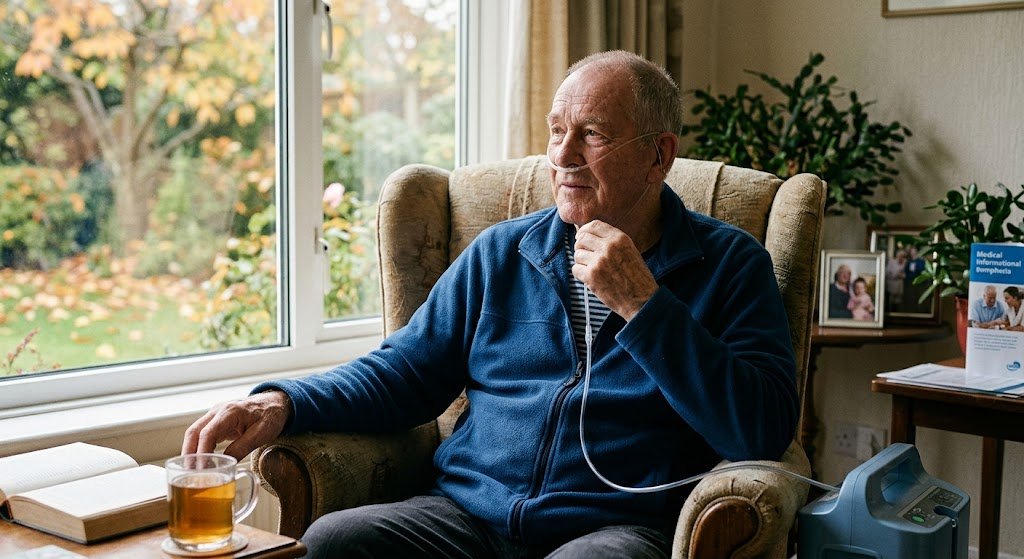
Some people with advanced emphysema develop persistently low blood oxygen levels and may require supplemental oxygen. Oxygen therapy is prescribed only when testing indicates that it is medically appropriate.
Patients using prescribed oxygen should follow the recommended flow rate and equipment instructions carefully. Oxygen should never be used around smoking, candles, gas flames, or other sources of fire because it can significantly increase fire risk.
People should not begin oxygen therapy without medical assessment and appropriate prescription.
Healthy Eating and Weight Management | Supporting Overall Health
Maintaining adequate nutrition can be important for people living with emphysema. Severe breathing difficulties can make eating tiring, while advanced lung disease may sometimes be associated with unwanted weight loss.
A balanced diet containing adequate protein, fruits, vegetables, whole grains, and other nutrient-rich foods can support overall health. Some people may benefit from smaller, more frequent meals if large meals make breathing uncomfortable.
People who are underweight, overweight, or experiencing significant appetite or weight changes should discuss nutrition with a healthcare professional.
Staying Active Safely | Movement and Daily Activities
Avoiding all physical activity because of breathlessness can lead to muscle weakness and reduced fitness, which may make everyday activities even harder. Appropriate activity can help maintain strength and independence.
Walking, gentle exercises, stretching, and activities recommended through pulmonary rehabilitation may be useful for suitable patients.
The intensity should match individual ability. Severe or unusual breathlessness, chest pain, dizziness, or other concerning symptoms during activity should be taken seriously and medically evaluated.
Preventing Respiratory Infections | Protecting Lung Health
Respiratory infections can worsen symptoms in people with emphysema. Good hand hygiene, avoiding close contact with people who are acutely ill, and following vaccination recommendations can help reduce infection risks.
People with emphysema should discuss recommended vaccinations with their healthcare professional. Early medical advice may also be important when respiratory symptoms change significantly, particularly if there is increased coughing, mucus, fever, or worsening breathlessness.
When to Seek Urgent Medical Help | Recognizing Warning Signs
A sudden or severe increase in breathing difficulty may indicate an exacerbation or another serious medical problem. People with emphysema should understand their individual action plan and know when to contact their healthcare team.
Urgent medical attention may be needed for severe breathlessness, confusion, bluish or gray lips or face, severe chest pain, fainting, or difficulty speaking because of breathing problems.
Do not assume that every worsening symptom is simply part of emphysema.
Book Online Appointment With Best Pulmonologist via InstaCare | Get Expert Respiratory Guidance
If emphysema symptoms are affecting your breathing, physical activity, sleep, or daily routine, professional assessment can help you understand your condition and available management options. Book an online appointment with the best pulmonologist via InstaCare for personalized guidance about emphysema, breathing difficulties, treatment, and long-term respiratory care.
Conclusion | Living Well With Emphysema
Living with emphysema requires ongoing attention to lung health, symptoms, medication, physical activity, and lifestyle habits. Although existing lung damage cannot generally be reversed, appropriate treatment and supportive care can help manage symptoms and improve everyday functioning.
Stopping smoking, avoiding lung irritants, taking prescribed medicines correctly, staying appropriately active, maintaining good nutrition, and attending regular medical appointments can all contribute to better long-term management.
Because emphysema affects each person differently, treatment should be tailored to individual symptoms and medical needs. Regular communication with a healthcare team can help address changes early and support a better quality of life.
Frequently Asked Questions | FAQs
- Can emphysema be cured?
Emphysema causes permanent damage to lung tissue, so there is currently no treatment that completely reverses the damage. However, treatments and lifestyle changes can help control symptoms and slow further lung damage.
- Can someone with emphysema exercise?
Many people with emphysema can benefit from appropriately planned physical activity. Pulmonary rehabilitation may provide supervised exercise and breathing strategies. Exercise should be adapted to the person’s health and breathing capacity.
- Is quitting smoking helpful after developing emphysema?
Yes. Quitting smoking is an important part of emphysema management because it reduces continued exposure to harmful substances that can damage the lungs and worsen respiratory health.
- Does everyone with emphysema need oxygen therapy?
No. Oxygen therapy is generally recommended only for people who meet specific medical criteria for low blood oxygen levels. A healthcare professional should assess oxygen levels before prescribing supplemental oxygen.
- When should a person with emphysema see a doctor?
Medical advice should be sought when symptoms are persistent, worsening, or interfering with daily activities. Severe breathing difficulty, confusion, bluish lips or face, severe chest pain, or fainting requires urgent medical attention.