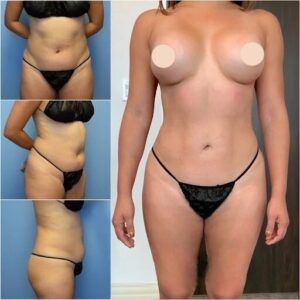
Liposuction in Dubai
Liposuction in Dubai is one of the most sought-after cosmetic procedures for individuals looking to improve their body contours by removing stubborn fat deposits. While a healthy diet and regular exercise remain essential for overall wellness, some areas of fat can be resistant to lifestyle changes. Liposuction is designed to target these localized fat pockets and create a more balanced, sculpted appearance.
Dubai has become a leading destination for cosmetic surgery due to its modern healthcare facilities, experienced surgeons, and high standards of patient care. Whether you are considering the procedure for the first time or researching your options, understanding the process, benefits, recovery, and expected results can help you make an informed decision.
What Is Liposuction?
Liposuction is a cosmetic surgical procedure that removes excess fat from specific areas of the body using a specialized suction technique. It is intended to reshape and contour the body rather than serve as a weight-loss solution.
The procedure is commonly performed on areas where fat tends to accumulate despite regular exercise, including:
- Abdomen
- Waist and flanks
- Hips
- Thighs
- Buttocks
- Upper arms
- Back
- Chest (for male gynecomastia)
- Chin and neck
The goal is to enhance the body’s natural proportions and create smoother, more defined contours.
Why Choose Liposuction in Dubai?
Dubai is recognized for its advanced cosmetic surgery industry, attracting patients from around the world. Several factors contribute to its popularity:
Highly Qualified Surgeons
Many plastic surgeons in Dubai have extensive training and experience in body contouring procedures. Patients should always verify a surgeon’s qualifications, certifications, and experience before proceeding.
Advanced Medical Facilities
Dubai offers state-of-the-art hospitals and cosmetic clinics equipped with modern surgical technology that supports patient safety and precision during procedures.
Personalized Treatment Plans
Every patient’s body shape and aesthetic goals are unique. Reputable clinics provide individualized treatment plans based on body type, health history, and desired outcomes.
International Standards
Many cosmetic surgery centers in Dubai follow internationally recognized safety and hygiene protocols, providing patients with confidence throughout their treatment journey.
Who Is a Good Candidate?
Liposuction may be suitable for individuals who:
- Are close to their ideal body weight
- Have stubborn fat deposits that do not respond to diet and exercise
- Have good skin elasticity
- Are in generally good health
- Have realistic expectations
- Do not smoke or are willing to stop before surgery
It is important to understand that liposuction is not a treatment for obesity and should not replace healthy lifestyle habits.
Common Areas Treated
Abdomen
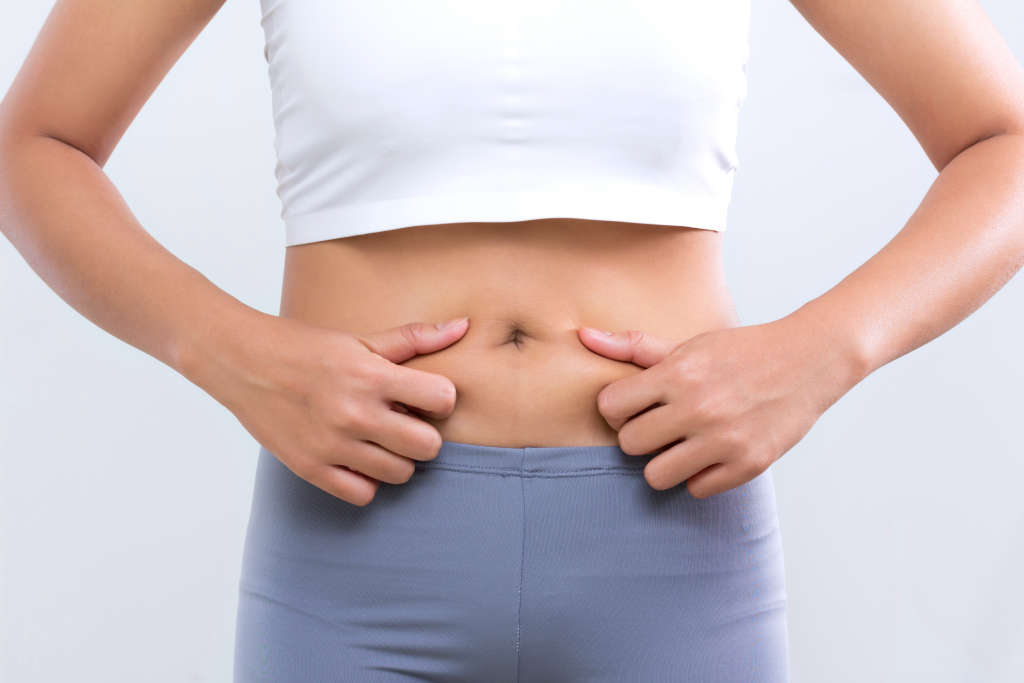
The abdomen is one of the most frequently treated areas. Liposuction can help create a flatter, more defined stomach by removing localized fat.
Waist and Love Handles
Removing excess fat around the waist can improve body proportions and create a more sculpted silhouette.
Thighs
Both the inner and outer thighs can be reshaped to improve comfort and achieve better body balance.
Arms
Upper arm liposuction reduces excess fat that may contribute to a fuller appearance.
Chin and Neck
Small fat deposits beneath the chin can often be removed to improve jawline definition.
Back
Liposuction can reduce localized fat in the upper and lower back, helping clothing fit more comfortably.
Types of Liposuction Techniques
Modern cosmetic surgery offers several liposuction techniques. The most appropriate method depends on the patient’s goals and the surgeon’s recommendation.
Tumescent Liposuction
This is the most commonly performed technique. A special solution is injected into the treatment area to minimize bleeding and improve comfort before fat removal.
Power-Assisted Liposuction (PAL)
This method uses a vibrating cannula to loosen fat, making removal more efficient.
Ultrasound-Assisted Liposuction (UAL)
Ultrasound energy is used to break down fat before suctioning it from the body.
Laser-Assisted Liposuction
Laser energy helps liquefy fat while potentially stimulating collagen production in the treated area.
Your surgeon will explain which technique is most appropriate based on your anatomy and treatment goals.
The Consultation Process
A consultation is one of the most important steps before undergoing liposuction.
During the appointment, your surgeon may:
- Review your medical history
- Discuss your cosmetic goals
- Examine the treatment areas
- Explain suitable treatment options
- Discuss potential risks and benefits
- Outline expected recovery
- Recommend pre-operative preparation
Patients should openly discuss their expectations to ensure realistic outcomes.
Preparing for Surgery
Preparation helps improve safety and recovery.
Patients may be advised to:
- Complete medical evaluations
- Stop smoking several weeks before surgery
- Avoid certain medications or supplements that increase bleeding
- Maintain stable body weight
- Arrange transportation home after surgery
- Prepare comfortable recovery space at home
Following all pre-operative instructions is essential.
What Happens During the Procedure?
Liposuction is usually performed under local anesthesia with sedation or general anesthesia, depending on the number of treatment areas and the amount of fat being removed.
The procedure generally includes:
- Administration of anesthesia.
- Small incisions in the treatment area.
- Insertion of a thin cannula beneath the skin.
- Gentle loosening and removal of fat.
- Closing or dressing the small incisions.
The duration varies depending on the extent of treatment and the number of areas being addressed.
Recovery After Liposuction
Recovery experiences vary from person to person, but most patients can expect temporary swelling, bruising, and mild discomfort.
During recovery, patients are often advised to:
- Wear compression garments as instructed.
- Take prescribed medications.
- Walk gently to encourage circulation.
- Avoid strenuous exercise for several weeks.
- Attend all follow-up appointments.
Many individuals return to desk-based work within several days to two weeks, depending on their recovery and the extent of surgery.
When Will Results Be Visible?
Initial improvements may become noticeable once swelling begins to decrease.
However, final results generally develop gradually over several months as the body heals completely.
Maintaining a healthy diet and regular exercise routine helps preserve the long-term outcome.
Benefits of Liposuction
Some of the potential benefits include:
- Improved body contours
- Better-fitting clothing
- Removal of stubborn fat deposits
- Enhanced body proportions
- Increased confidence for many patients
- Long-lasting fat reduction with proper weight maintenance
Results are typically most satisfying for individuals who maintain realistic expectations and continue healthy lifestyle habits.
Possible Risks
Like all surgical procedures, liposuction carries potential risks.
These may include:
- Swelling
- Bruising
- Infection
- Temporary numbness
- Irregular contours
- Fluid accumulation
- Scarring
- Reactions to anesthesia
Choosing a qualified surgeon and following all post-operative instructions helps reduce these risks.
Maintaining Your Results
Liposuction permanently removes treated fat cells, but remaining fat cells can still enlarge if significant weight gain occurs.
To maintain results:
- Eat a balanced diet.
- Exercise regularly.
- Stay hydrated.
- Maintain a stable weight.
- Attend routine medical checkups.
Healthy habits play an important role in preserving body contour improvements.
Frequently Asked Questions
Is liposuction painful?
Patients are under anesthesia during the procedure. Mild soreness and swelling afterward are common but are generally manageable with prescribed medications.
Can liposuction help with weight loss?
Liposuction is intended for body contouring rather than significant weight reduction. It is most effective for removing localized fat deposits.
Will the fat come back?
Fat cells removed during liposuction do not regenerate. However, weight gain can enlarge the remaining fat cells if a healthy lifestyle is not maintained.
How long does recovery take?
Most people resume light daily activities within one to two weeks, while complete healing and final results may take several months.
Are the scars noticeable?
The incisions used during liposuction are typically very small and are placed in discreet locations whenever possible.
Choosing the Right Clinic in Dubai
Selecting an experienced clinic is essential for achieving safe and satisfying results. Before making a decision, consider:
- Surgeon qualifications and board certification
- Experience with body contouring procedures
- Patient reviews and testimonials
- Before-and-after photographs
- Accreditation of the medical facility
- Clear communication regarding risks, benefits, and costs
Scheduling consultations with qualified professionals allows patients to compare treatment approaches and make informed choices.
Conclusion
Liposuction in Dubai remains a popular option for individuals seeking to refine their body shape by removing stubborn fat that has not responded to diet and exercise. With experienced surgeons, modern medical facilities, and personalized treatment plans, Dubai offers high-quality cosmetic care for suitable candidates.
Although liposuction can produce significant improvements in body contour, it is not a substitute for healthy living or a solution for obesity. Realistic expectations, careful surgeon selection, and commitment to post-operative care all contribute to successful outcomes. By understanding the procedure and maintaining a healthy lifestyle afterward, patients can enjoy long-lasting improvements in their body confidence and overall appearance.