Lift and Slide Doors
Large glass doors improve natural light, ventilation, and outdoor access in modern homes. Many homeowners compare standard sliding doors with lift and slide doors because both offer clean designs and space-saving operation. However, these systems work differently and suit different needs. Understanding their features, performance, and practical use can help homeowners choose the right option for their space and lifestyle.
What Are Sliding Doors?
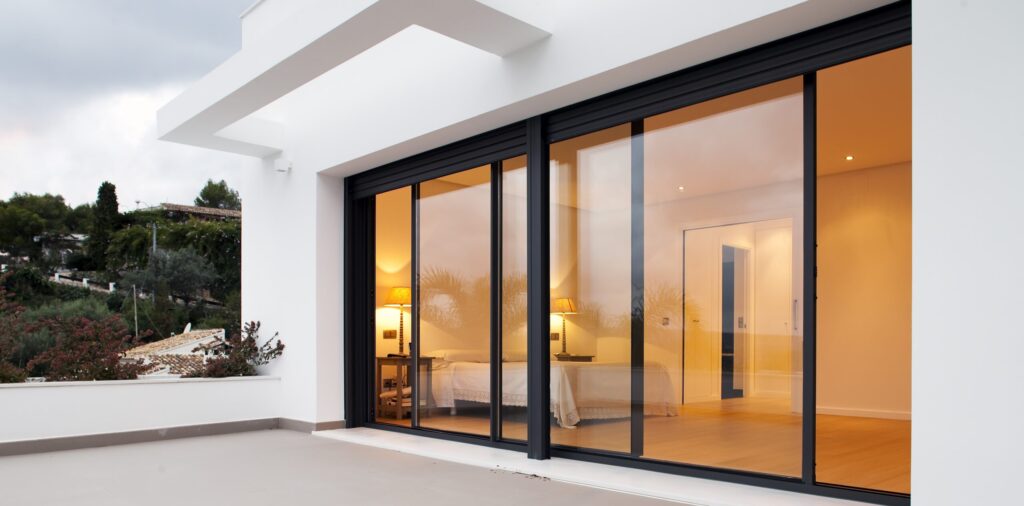
Sliding doors use panels that move horizontally along a track. They usually include one fixed panel and one movable panel. Many homeowners choose sliding doors because they save floor space and create wide outdoor views.
These doors work well in patios, balconies, and compact living areas. Their simple track system makes them suitable for regular residential use. Sliding doors also support large glass panels, which help increase natural light inside the home.
What Are Lift and Slide Doors?
Unlike standard systems, lift and slide doors use a special mechanism that slightly lifts the door panel before it slides. This design reduces friction, allowing larger panels to slide more smoothly.
Homeowners often choose these systems for bigger openings and premium residential projects. The lifting mechanism also creates a tighter seal when the door closes, improving insulation and weather resistance. This feature helps maintain indoor comfort in areas with changing temperatures.
Key Differences Between Sliding Doors and Lift and Slide Doors
Although both systems look similar, several practical differences affect performance and usability.
Operating Mechanism
Sliding doors move directly across the track during operation. In comparison, Lift-and-Slide Doors lift slightly before sliding. This mechanism creates smoother movement, especially with heavier glass panels.
Panel Size and Weight Support
Standard sliding doors support medium-sized glass panels in most homes. However, lift-and-slide doors handle larger and heavier panels more efficiently. This feature makes them suitable for wide openings and floor-to-ceiling designs.
Insulation and Weather Protection
Sliding doors provide basic insulation for residential spaces. However, these doors usually create stronger seals when closed. Better sealing helps reduce air leakage, outside noise, and moisture entry.
Ease of Use
Heavy sliding doors may require more effort over time. Since lift and slide systems reduce friction during movement, homeowners often find them smoother to operate.
Cost and Installation
Sliding doors generally cost less because they use simpler hardware systems. In comparison, lift and slide systems require advanced mechanisms and professional installation, which increases overall cost.
Which Option Works Better for Different Homes?
The right choice depends on the size, design, and functional needs of the property.
Sliding doors work well for standard residential layouts where moderate openings meet practical needs. They also suit homeowners looking for a simple and cost-effective system.
Meanwhile, lift and slide doors suit larger homes with expansive openings and modern architectural designs. Their smoother operation and improved insulation support premium living spaces with heavy glass installations.
Conclusion
Both sliding doors and lift and slide doors offer practical benefits for modern homes. Sliding doors provide a simple and functional solution for everyday spaces. Lift-and-slide systems support larger openings and stronger insulation while providing smoother operation. Homeowners should compare budget, opening size, energy efficiency, and long-term usability before choosing the system that best fits their home requirements.