LA California Current Time: Understanding Pacific Time and Global Scheduling
A simple question like “What is the LA California current time?” often becomes more important than people expect. A remote employee joins a meeting an hour late, a traveler misses an airport transfer, or an international customer support team works from the wrong schedule. In many cases, the problem begins with misunderstanding how local time in California actually works.
Los Angeles sits within one of the most influential time zones in the world. Its business hours affect global entertainment, technology, finance, logistics, and online communication. Yet confusion about Pacific Time, daylight saving adjustments, and international time differences remains common.
Understanding local time in Los Angeles is not only useful for travelers or tourists. It has become increasingly important for professionals, students, remote teams, and businesses operating across borders.
This article explains how the LA California current time system works, why it changes seasonally, how international time conversion works, and what people should know to avoid scheduling mistakes.
What Is the LA California Current Time?
The LA California current time refers to the present local time observed in Los Angeles. The city follows the Pacific Time Zone used throughout parts of the western United States.
Los Angeles operates under two seasonal time standards:
- Pacific Standard Time (PST) — UTC−8
- Pacific Daylight Time (PDT) — UTC−7
The city changes between these two standards because of daylight saving time.
A concise featured-snippet definition is:
Los Angeles follows Pacific Time and uses PST (UTC−8) during standard time and PDT (UTC−7) during daylight saving time.
Because the UTC offset changes during the year, checking real-time local time information is important before scheduling meetings, flights, or international events.
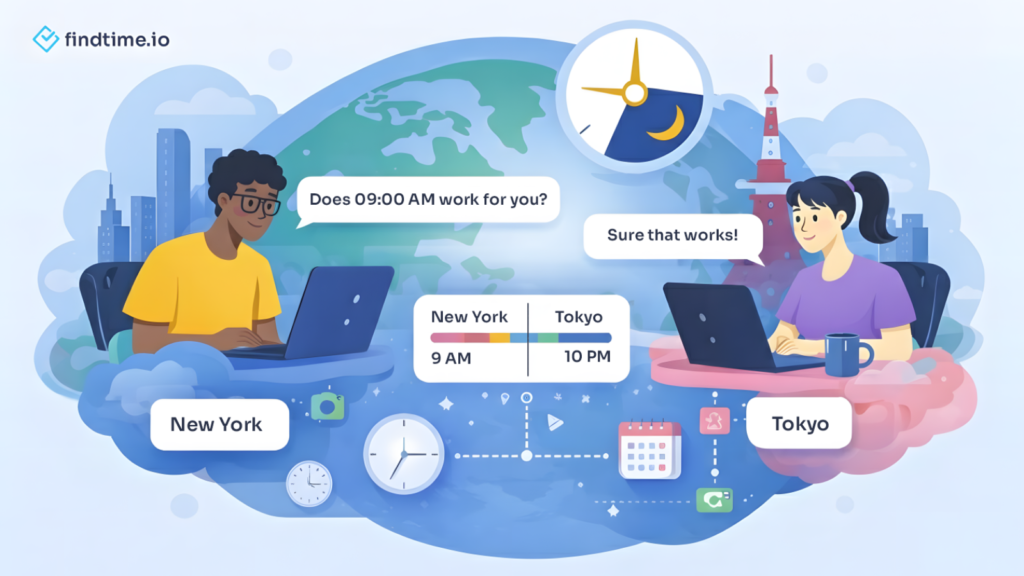
Platforms such as findtime.io help users compare live local times across cities and countries without manually calculating offsets.
Why Los Angeles Time Matters Globally
Many people assume local time only matters within a region. In reality, Los Angeles influences international schedules across several industries.
Entertainment and Media
Los Angeles remains closely associated with global entertainment production. Television premieres, livestreams, film events, and digital media releases often use Pacific Time as the official schedule reference.
International audiences therefore frequently calculate the LA California current time before joining online broadcasts or viewing live events.
Technology and Remote Work
Many technology firms, startups, and digital service providers operate from California. Remote workers across Europe, Asia, and the Middle East regularly coordinate schedules around Pacific business hours.
For distributed teams, even small conversion mistakes can lead to:
- Missed meetings
- Delayed approvals
- Customer support disruptions
- Workflow inefficiencies
International Travel
Travelers checking flights, airport arrivals, or hotel reservations often rely on accurate local time information. Seasonal time changes can create confusion for people crossing multiple time zones.
Understanding Pacific Time
The Pacific Time Zone covers several regions across North America.
Major cities using Pacific Time include:
- San Francisco
- Seattle
- San Diego
- Vancouver
Los Angeles often becomes the default reference point because of its global visibility and economic significance.
PST vs PDT
One of the most common misunderstandings involves the difference between PST and PDT.
PST — Pacific Standard Time
- Used during the colder months
- UTC−8 offset
- Typically observed from autumn to spring
PDT — Pacific Daylight Time
- Used during daylight saving time
- UTC−7 offset
- Typically observed from spring to autumn
People often incorrectly use “PST” throughout the entire year, even when daylight saving time is active.
How Daylight Saving Time Changes Local Time
Daylight saving time shifts clocks forward by one hour during part of the year. The United States follows nationally coordinated DST transition dates.
Why DST Exists
Historically, daylight saving policies aimed to increase evening daylight hours during warmer months. While the economic and social impacts remain debated, the system continues across most U.S. states.
Why It Creates Scheduling Problems
Not every country follows daylight saving time. Some regions:
- Never change clocks
- Use different transition dates
- Maintain fixed UTC offsets year-round
As a result, the time gap between Los Angeles and international cities can temporarily change.
For example:
- Los Angeles and London may usually differ by eight hours
- During transition periods, the difference can temporarily become seven hours
This creates confusion in international scheduling.
Common International Time Differences
Understanding approximate time relationships helps people plan meetings and events more effectively.
Los Angeles and New York
New York City is generally three hours ahead of Los Angeles.
Example:
- 8:00 AM in Los Angeles
- 11:00 AM in New York
Los Angeles and Tokyo
Tokyo is usually 16 to 17 hours ahead depending on seasonal adjustments.
Los Angeles and Sydney
Sydney may sit 17 to 19 hours ahead because both countries apply daylight saving changes differently.
Los Angeles and Dubai
Dubai is commonly 11 to 12 hours ahead of Los Angeles.
These differences vary throughout the year because daylight saving schedules are not globally synchronized.
Best Practices for Accurate Time Conversion
People often rely on memory when converting time zones. This creates unnecessary mistakes.
Use UTC as a Universal Reference
Coordinated Universal Time (UTC) provides a stable international standard.
Instead of saying:
- “Meeting at 3 PM Los Angeles time”
Organizations often use:
- “Meeting at 22:00 UTC”
This reduces ambiguity across regions.
Confirm Daylight Saving Status
Always verify whether Los Angeles currently follows PST or PDT. Assuming the wrong seasonal offset causes many scheduling errors.
Use Reliable World Clock Tools
Modern world clock systems automatically update time changes using official time zone databases.
Services like findtime.io simplify international coordination by displaying current local times across multiple regions.
Avoid Manual Calculations for Critical Events
Mental conversions work for casual communication but can become risky for:
- Flights
- Live broadcasts
- Legal deadlines
- International conferences
- Financial transactions
Automated tools reduce the risk of human error.
Common Misconceptions About LA California Current Time
Several persistent myths continue to create confusion.
“Los Angeles Always Uses PST”
This is incorrect. PST only applies during standard time. PDT applies during daylight saving months.
“Time Differences Never Change”
Many people believe international time gaps remain fixed throughout the year. In reality, daylight saving schedules frequently alter these differences temporarily.
“Phone Clocks Cannot Be Wrong”
Most devices update automatically, but manual settings, outdated software, or travel mode issues sometimes create inaccurate local time displays.
“California Has Multiple Time Zones”
California follows a single statewide time zone: Pacific Time.
How Businesses Manage Cross-Time-Zone Operations
Global organizations increasingly depend on precise time coordination.
Shared Calendar Systems
Professional teams often use:
- UTC scheduling references
- Automatic calendar synchronization
- Regional availability settings
These systems reduce manual conversion mistakes.
Multi-Region Operations
Companies operating internationally frequently monitor multiple cities simultaneously, including:
- Los Angeles
- London
- Singapore
- Tokyo
- New York
Real-time world clock platforms help teams maintain operational consistency.
Time-Zone-Aware Communication
Professional scheduling messages commonly include multiple regional references.
Example:
- 9:00 AM PT / 12:00 PM ET / 5:00 PM GMT
This improves clarity for international participants.
FAQ
What time zone does Los Angeles use?
Los Angeles follows the Pacific Time Zone in the United States. The city uses Pacific Standard Time (UTC−8) during winter and Pacific Daylight Time (UTC−7) during daylight saving months. The LA California current time therefore changes seasonally depending on the time of year.
Does Los Angeles observe daylight saving time?
Yes. Los Angeles changes clocks twice yearly as part of daylight saving time practices in the United States. Clocks move forward in spring and backward in autumn. This seasonal adjustment affects the LA California current time and international time differences throughout the year.
Why does the time difference with Los Angeles sometimes change?
Different countries follow different daylight saving schedules. Some nations do not observe daylight saving time at all. During transition periods, the gap between Los Angeles and international cities may temporarily increase or decrease by one hour before stabilizing again.
Is PST the same as Pacific Time?
Not exactly. PST refers specifically to Pacific Standard Time during winter months. Pacific Time is a broader term that includes both PST and PDT depending on the season. Many professionals use “PT” because it avoids seasonal confusion in scheduling.
How far behind New York is Los Angeles?
Los Angeles is usually three hours behind New York. For example, when it is 1 PM in New York, it is generally 10 AM in Los Angeles. Both cities follow daylight saving time, which helps maintain the three-hour difference consistently.
Why is the LA California current time important internationally?
Los Angeles influences industries such as entertainment, technology, finance, and digital media. Many companies schedule events and meetings according to Pacific Time. International professionals therefore regularly monitor the LA California current time for communication and operational planning.
What is the best way to check Los Angeles local time?
The most reliable method is using an automatically updated world clock platform. Services such as findtime.io provide current local times across cities and countries while accounting for daylight saving changes and official UTC offsets.
Can incorrect time conversion affect online meetings?
Yes. Incorrect conversions often lead to missed meetings, delayed projects, and scheduling confusion. This becomes especially common during daylight saving transitions when different countries change clocks on different dates. Verifying the LA California current time before important events helps reduce these errors.
Conclusion
Understanding the LA California current time involves more than knowing the hour on a clock. Los Angeles follows the Pacific Time Zone and shifts between standard time and daylight saving time throughout the year. These seasonal adjustments affect international meetings, travel schedules, live events, and global business operations.
As remote work and international communication continue expanding, accurate time conversion becomes increasingly important. Using reliable world clock tools, understanding UTC offsets, and recognizing daylight saving changes help reduce scheduling mistakes and improve coordination across regions. Platforms such as findtime.io make it easier to compare local times worldwide and stay aligned across different time zones.