You want your child to learn letters, numbers, and shapes, but you do not want another screen in their hands. A wooden learning board is a simple answer. It is a flat board, often with removable pieces, that lets children touch, move, and match things while they learn. If you are looking for a kids wooden learning board in Pakistan, this guide explains what to buy, what to avoid, and how to get real value from it at home.
Nexora Mart is your trusted destination for Online Shopping in Pakistan, offering quality toys, home appliances, energy-saving fans, and everyday products at competitive prices.
The short answer is this. A good wooden learning board is smooth, sturdy, painted with child-safe finishes, and matched to your child’s age. For most families, a board with letters, numbers, or shapes works well between ages two and six. The right choice depends less on the price and more on how your child plays.
What Is a Wooden Learning Board?
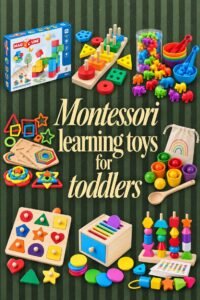
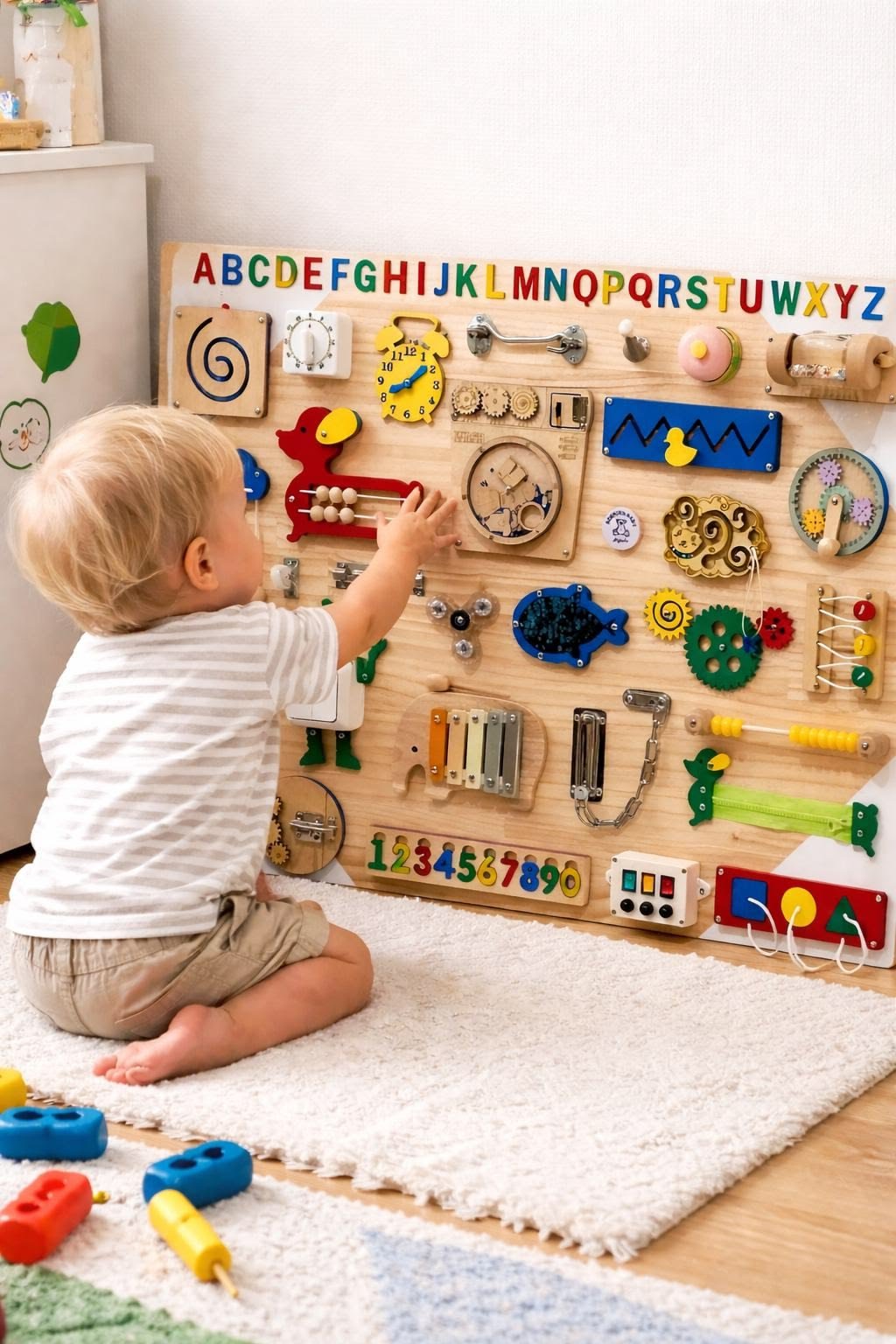
A wooden learning board is a hands-on teaching tool. Most designs have a base board with cut-out spaces and matching pieces. Your child lifts a piece, finds the right slot, and places it back. Some boards focus on the alphabet, some on counting, and others on shapes, colours, or animals. You will also see boards with a writing surface, a clock face with movable hands, or small beads on wires.
These items are often called wooden puzzle boards, educational boards, or montessori-style boards. The names overlap, so read the product description carefully instead of relying on the title alone. What matters is what the child actually does with it.
The basic idea is simple. Young children learn best through their hands. When a toddler holds a wooden letter and feels its edges, the letter becomes something real, not just a picture on a page.
Why Parents in Pakistan Choose Wooden Boards
Many parents here want learning tools that last. Wood handles daily use better than thin plastic or cardboard. A well-made board can pass from one child to a younger sibling, which matters when you are watching your budget.
Wooden boards also suit our homes. Many families have limited space, and a board can sit on a shelf, slide under a bed, or travel to a grandparent’s house. There is no battery to replace and no charging cable to hunt for. Power cuts do not stop the lesson.
Another reason is language. Parents often want to teach English letters, Urdu alphabets, and basic numbers together. A board lets you do this at your own pace, using your own words. You can say the Urdu letter name, then the English one, and let your child feel the shape while you talk. Be aware that many boards sold locally carry only English letters, so check before you buy if Urdu matters to you.
I should be honest about one limit. A wooden board does not replace talking, reading, and playing with your child. It supports those things. A child who has a board but no one to play with will get far less from it than a child whose parent sits down for ten minutes a day.
Types of Kids Wooden Learning Boards
Alphabet and Number Boards
These are the most common. Each letter or digit is a separate wooden piece that fits into a matching hollow. They teach recognition first, then spelling and counting later. For a two-year-old, the goal is just to match shapes. For a four-year-old, you can ask your child to find the letter that starts their own name.
Shape, Colour, and Sorting Boards
These boards have circles, squares, triangles, and stars in different colours. They are a gentle first step for toddlers. They build hand control and teach children to compare size and colour. If your child is under two and a half, this type is usually the better starting point than an alphabet board.
Writing and Tracing Boards
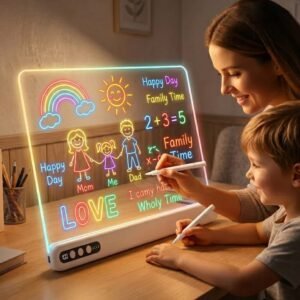
Some boards have a grooved surface so a child can trace letters with a finger or a stick. Others are flat and meant for chalk or a dry-erase marker. These suit children who are close to starting school and need practice holding a pencil. Check that the surface is smooth, because rough areas frustrate small hands.
Activity Boards With Moving Parts
You may find boards with a clock, a calendar, buttons, zips, and laces on one surface. These can be fun and good value. The risk is that small parts come loose over time, so inspect them closely and supervise younger children.
How to Choose the Right Board for Your Child’s Age
Age is the first filter. Children under three put things in their mouths, so choose larger pieces that cannot pass through a toilet-roll tube, which is a common home test for choking risk. Thick, chunky knobs on pieces also help little fingers grip.
For ages three to four, boards with more pieces and finer details work well. Your child can handle letters, numbers up to ten, or simple word-building. For ages five and six, look for tracing boards, simple maths boards, or boards with clock faces and coins that connect to daily life.
Get a building block track set in Pakistan from Nexora Mart for creative construction, imaginative play, and hands-on learning.
Match the board to your child’s current skill, not the skill you hope they will have next year. A board that is too hard feels like failure. A board that is slightly challenging feels like a win, and children return to it.
Safety and Quality Checks Before You Buy
Safety comes first, and it is the area where cheap products cut corners. Run your hand across the board. Edges should be rounded, and the surface should feel smooth with no splinters. Press the painted areas with a damp cloth. If colour comes off easily, the paint may be poor quality.
Smell the board. A strong chemical odour is a warning sign. Ask the seller what kind of paint or finish was used, and look for words like non-toxic or water-based, but remember that a label alone does not prove safety. Trust your own inspection as well.
Check the fit of the pieces. They should drop into place easily but not rattle loosely. Pieces that jam will frustrate your child, and pieces that are too loose suggest sloppy cutting. Check the thickness too. Thin plywood can crack or warp, especially in humid weather or summer heat, so a thicker board usually lasts longer.
Where and How to Buy in Pakistan
You will find learning boards in toy shops, bookstores, educational supply markets, and online marketplaces across Pakistan. Each has trade-offs. In a physical shop you can touch the board, smell it, and test the pieces before paying. Online shopping gives wider choice and easier price comparison, but photos can hide poor finishing.
If you order online, read the product description carefully for dimensions, wood type, and age guidance. Look at customer photos if available, and confirm the return or exchange policy before you pay. Be careful with prices that seem far too low. Very cheap boards are often made with thin material and poor paint.
Local carpenters and small workshops are another option. Some will make a custom board with Urdu letters or your child’s name. This can be a good choice if you want something specific, but you will need to ask about paint and rounded edges yourself.
How to Use a Wooden Learning Board at Home
A board works best when you treat it as play, not a test. Sit with your child for about ten minutes. Let them explore first. Name the pieces as they pick them up, and let them make mistakes without correcting every move.
Keep the board in a place your child can reach. If it lives on a high shelf, it will rarely be used. Rotate it with other toys instead of leaving everything out at once, which keeps interest fresh.
Connect the board to real life. If your child places the letter M, point to the M on a milk packet. If they place a circle, look for round things in the kitchen. This link between the board and the world is where much of the learning happens.
A common mistake is pushing too fast. Parents sometimes expect a three-year-old to read after a few weeks. Children develop at different speeds, and that is normal. Another mistake is buying many boards at once. One or two good boards, used often, beat a pile that sits untouched.
Frequently Asked Questions
At what age can a child start using a wooden learning board?
Many children can begin around the age of two with simple shape or chunky puzzle boards. Always supervise young toddlers and check that pieces are large enough to be safe. Alphabet and number boards usually suit ages three and above.
Are wooden learning boards better than plastic ones?
Wood is usually sturdier and feels better in the hand, but quality varies widely. A poorly made wooden board can be worse than a good plastic one. Judge each product on its finish, safety, and construction rather than on the material alone.
How do I clean a wooden learning board?
Wipe it with a slightly damp cloth and dry it straight away. Avoid soaking the board or using harsh cleaners, because water can swell the wood and damage paint. Store it in a dry place.
Will a wooden board help my child get ready for school?
It can support early skills like letter recognition, counting, and hand control. It works best alongside reading together, talking, and everyday play. No single toy can guarantee school readiness.
Your Next Step
A kids wooden learning board in Pakistan can be a lasting, screen-free way to help your child learn through touch and play. Choose a board that fits your child’s age, check the finish and edges carefully, and use it in short, relaxed sessions with you. This week, look at your child’s current interests, pick one board that matches their level, and spend ten minutes playing with it together. You will quickly see what works for them.