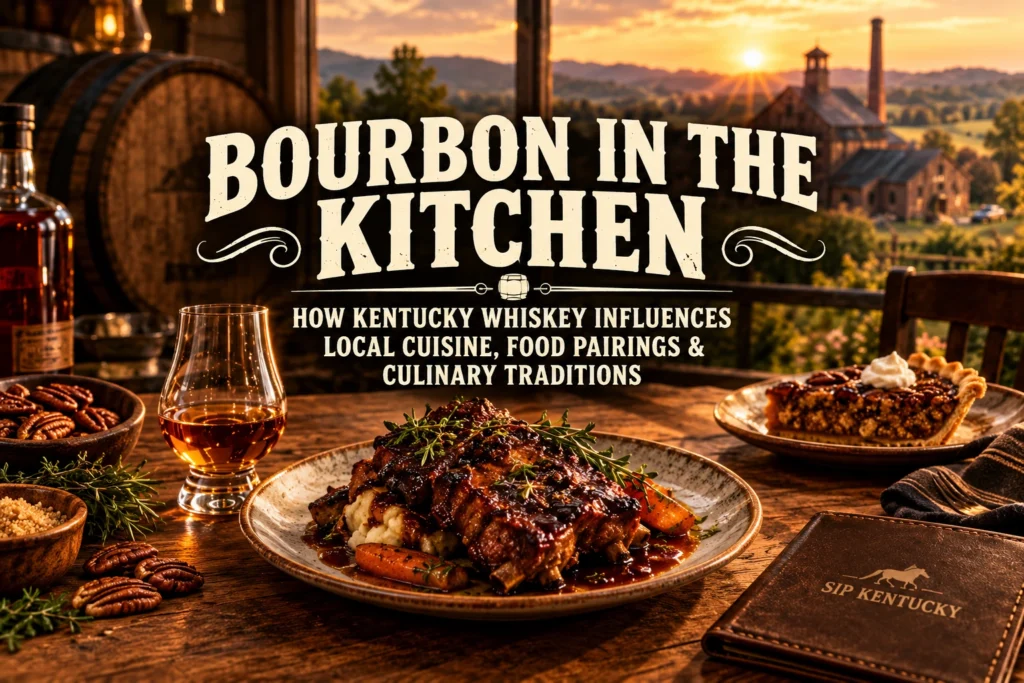
Bourbon has a well-established place in Kentucky’s cultural identity, but its influence extends beyond distilleries and tasting rooms. Across the state, whiskey has become an ingredient in regional cooking, an inspiration for restaurant menus, and a familiar feature of food-focused gatherings. Its natural sweetness, warm spice, and oak-influenced character make it a versatile addition to both savory and sweet dishes. From slow-cooked meats to desserts and sauces, bourbon offers cooks a distinctive way to add depth and complexity to familiar recipes.
For visitors exploring the state’s food and whiskey traditions, Kentucky Bourbon Tours can provide a broader understanding of how bourbon connects with local culture. Learning about its ingredients, production methods, and regional history can make the culinary side of the experience more meaningful. In and around Lexington, this connection is especially interesting because the area’s restaurants, agricultural heritage, and bourbon identity offer several ways to appreciate Kentucky’s food culture.
Why Bourbon Became Part of Kentucky’s Culinary Identity
Bourbon’s relationship with Kentucky cooking developed alongside the state’s wider whiskey industry. As distilling became an established regional activity, bourbon naturally found its way into local kitchens. Its availability and distinctive flavor made it useful for cooking, preserving certain foods, and creating recipes for special occasions.
Over time, bourbon became more than a beverage served alongside a meal. Cooks began using it to develop sauces, marinades, glazes, and desserts. Its flavor profile also worked well with ingredients commonly found in traditional American and Southern cooking, including brown sugar, pecans, apples, pork, and smoked meats.
A Natural Connection With Regional Ingredients
Kentucky’s agricultural traditions provide a useful foundation for understanding its food culture. Corn, grains, seasonal vegetables, fruit, and livestock have long been important to the state’s farming communities. Many of these ingredients complement bourbon’s flavor characteristics.
For example, the sweetness of corn-based bourbon can work with caramelized vegetables and roasted meats. Oak and spice notes can complement smoked foods, while vanilla and caramel characteristics may pair naturally with baked goods and desserts.
These combinations are not limited to traditional recipes. Contemporary chefs frequently experiment with bourbon alongside locally sourced ingredients, creating dishes that reflect regional influences while introducing modern cooking techniques.
From Home Kitchens to Restaurant Menus
Bourbon cooking is not exclusive to professional kitchens. Home cooks have used whiskey in recipes for generations, particularly when preparing meals for family gatherings and celebrations.
Restaurants have expanded this tradition by incorporating bourbon into more carefully developed dishes. Some use it as a finishing ingredient, while others reduce it into sauces or combine it with other components to create balanced flavors.
The result is a culinary tradition that continues to evolve without losing its connection to Kentucky’s heritage.
Understanding Bourbon’s Flavor Before Cooking With It
Choosing the right bourbon for a recipe requires more consideration than selecting any bottle from the shelf. Different expressions can have noticeably different flavor characteristics depending on their grain recipes, yeast, distillation methods, and maturation conditions.
Understanding these differences helps cooks select a whiskey that complements the other ingredients rather than overpowering them.
Sweet, Spicy, and Oak-Influenced Notes
Bourbon commonly develops flavor characteristics associated with vanilla, caramel, toasted oak, and baking spices. The exact balance varies between producers and individual expressions.
A bourbon with noticeable caramel and vanilla characteristics may work well in desserts, glazes, and sauces. A whiskey with stronger rye influence and more pronounced spice may complement savory dishes, particularly those involving smoked or roasted ingredients.
Oak influence can also contribute depth to a recipe. However, stronger wood characteristics may become overwhelming if used in large quantities or combined with ingredients that already have intense flavors.
Why the Choice of Bourbon Matters
Cooking changes the way bourbon’s flavors are experienced. Heat can reduce some of its volatile compounds, while the remaining flavor components interact with fats, sugars, acids, and other ingredients.
This means a bourbon that tastes balanced when served in a glass may behave differently in a sauce or marinade.
For everyday cooking, an approachable bourbon with a balanced flavor profile is often sufficient. Expensive or limited-release bottles are generally unnecessary for recipes where the whiskey is combined with several other ingredients.
The goal is to select a bourbon that supports the dish rather than making the whiskey the only noticeable flavor.
How Kentucky Chefs Incorporate Bourbon Into Savory Dishes
Bourbon works particularly well in savory cooking when used with care. Its sweetness and spice can complement rich ingredients, while its aromatic characteristics can add complexity to sauces and marinades.
Bourbon-Based Glazes and Sauces
One familiar application is a bourbon glaze. Cooks may combine whiskey with brown sugar, mustard, vinegar, stock, or other ingredients to create a sauce for roasted or grilled foods.
The balance is important. Too much sweetness can make a glaze heavy, while excessive acidity may overpower the bourbon’s softer characteristics. Gradual reduction helps concentrate the mixture and develop a more cohesive flavor.
Bourbon can also be used in barbecue sauces. When combined with tomato, spices, vinegar, and sweeteners, it contributes an additional layer of flavor that works well with smoked or grilled meats.
Marinades for Meat and Poultry
Bourbon can be included in marinades for pork, chicken, and beef. It is usually combined with ingredients such as garlic, herbs, oil, citrus, or vinegar.
A well-balanced marinade should have a clear purpose. Bourbon contributes aroma and flavor, while acidic ingredients help create contrast and other seasonings establish the overall character of the dish.
Marinating time should be appropriate for the cut of meat and the other ingredients. A longer marinating period does not automatically produce better results, particularly when acidic components are involved.
Cooks should also avoid assuming that alcohol completely disappears during cooking. Some alcohol can remain in a finished dish depending on the recipe, cooking method, temperature, and duration.
Bourbon and Dessert: A Versatile Combination
Bourbon’s caramel, vanilla, and oak characteristics make it a natural ingredient for many desserts. It can complement ingredients such as chocolate, pecans, apples, brown sugar, and cream.
Classic Desserts With a Whiskey Influence
Pecan desserts are a familiar example of how bourbon can contribute to traditional baking. A small quantity may add depth to a filling made with nuts, sugar, butter, and eggs.
Chocolate-based desserts can also benefit from bourbon’s aromatic qualities. Its warmer notes may complement dark chocolate, especially when the recipe includes coffee, caramel, or toasted nuts.
Other applications include:
- Bourbon-infused caramel sauces for cakes and ice cream.
- Whiskey-flavored whipped cream for selected desserts.
- Bourbon and apple combinations in baked dishes.
- Chocolate truffles with a measured amount of bourbon.
- Brown sugar glazes for certain pastries.
The amount used should be controlled. Bourbon is a strong ingredient, and excessive quantities can make a dessert taste sharp rather than balanced.
Balancing Sweetness and Whiskey Flavor
A successful bourbon dessert depends on the relationship between sweetness, richness, and aroma. Sugar can soften some of bourbon’s sharper characteristics, while ingredients such as dark chocolate and toasted nuts provide contrast.
The cooking method also matters. Adding bourbon early in a recipe may produce a different result from incorporating it toward the end. Bakers should follow tested recipes when working with alcohol because ingredient ratios and cooking times can affect the finished texture.
Food Pairings That Highlight Bourbon’s Character
Pairing bourbon with food is another way to explore its culinary versatility. Instead of focusing only on matching similar flavors, useful pairings consider contrast, texture, intensity, and balance.
Rich foods can complement bourbon’s warmth, while acidic or slightly bitter ingredients can provide contrast. A dish should not overwhelm the whiskey, and the whiskey should not dominate the food.
Pairing Bourbon With Cheese
Cheese offers several possibilities for bourbon pairing. Aged cheddar, for example, has a concentrated flavor that can stand alongside a bourbon with noticeable oak and spice characteristics.
Creamier cheeses may work with softer, sweeter bourbon expressions. Blue cheese can also create an interesting contrast, although its strong flavor requires a whiskey with enough character to remain noticeable.
Serving portions should remain modest so that the pairing feels balanced rather than excessive.
Pairing Bourbon With Meat and Smoked Foods
Smoked meats are often paired with bourbon because both can feature warm, rich flavor characteristics. Barbecue, smoked pork, and grilled beef can work particularly well with whiskey expressions that have noticeable spice and oak influence.
However, the seasoning of the food should be considered. A heavily sweet barbecue sauce may pair better with a less sweet bourbon, while pepper-forward meat preparations can complement a whiskey with a fuller spice profile.
Pairing Bourbon With Chocolate and Nuts
Dark chocolate, pecans, walnuts, and other roasted nuts can complement bourbon’s deeper flavor characteristics. These ingredients share aromatic qualities that may create a harmonious pairing.
For a simple tasting arrangement, serve small portions of chocolate and nuts alongside a modest bourbon pour. Taste each item separately before trying them together. This makes it easier to notice which characteristics complement one another.
Exploring Lexington’s Food and Bourbon Connection
Lexington provides an interesting setting for discovering how bourbon and regional cuisine intersect. The city’s identity is shaped by its historic neighborhoods, agricultural surroundings, restaurants, and connection to Kentucky’s whiskey industry.
Visitors can explore food establishments that incorporate regional ingredients and traditional influences into their menus. Depending on the restaurant, bourbon may appear in a sauce, dessert, cocktail, or specially designed tasting experience.
For travelers interested in this relationship, Kentucky Bourbon Tours can add context to the culinary side of a visit by connecting the finished product with the history and production traditions behind it. Understanding how grain recipes, fermentation, distillation, and barrel aging influence flavor can help visitors recognize why different bourbons work better with certain foods.
It is also worth exploring the broader food scene rather than limiting an itinerary to whiskey-focused venues. Local restaurants, bakeries, farmers’ markets, and independent food businesses can provide a more complete picture of the region’s culinary identity.
Restaurant menus and special dining experiences change over time, so checking current offerings before visiting is a practical step.
Practical Tips for Cooking With Bourbon at Home
Bourbon can be a useful ingredient, but successful cooking depends on using it thoughtfully. A few basic considerations can help maintain balance and avoid common mistakes.
- Start with small quantities: Bourbon has a concentrated flavor. Begin with the amount recommended by a reliable recipe and adjust only when appropriate.
- Choose a suitable expression: A balanced, reasonably priced bourbon is usually adequate for cooking.
- Consider the other ingredients: Sweet sauces, acidic marinades, and rich desserts interact differently with whiskey.
- Avoid relying on alcohol evaporation: Cooking does not guarantee that all alcohol will disappear from a dish.
- Use appropriate heat: Follow the recipe’s instructions when reducing sauces or preparing glazes to prevent burning.
- Taste as you cook: When the recipe allows, evaluate the balance of sweetness, acidity, seasoning, and bourbon flavor before serving.
Food safety is also important. Bourbon should never be poured directly over an open flame. When a recipe involves alcohol and heat, follow safe cooking instructions and use appropriate cookware.
Why Bourbon’s Culinary Influence Continues to Grow
Bourbon’s place in Kentucky cuisine continues to develop because the ingredient offers flexibility without losing its regional significance. Traditional recipes provide a foundation, while contemporary chefs and home cooks explore new ways to incorporate whiskey into everyday meals and special dining experiences.
Its versatility is one reason it remains relevant. Bourbon can contribute depth to savory sauces, complement roasted foods, and add aromatic character to desserts. It can also serve as the focus of a food-pairing experience that encourages people to pay closer attention to flavor.
The connection between bourbon and food also helps preserve regional traditions. Recipes, cooking techniques, and family food customs provide another way for Kentucky’s whiskey heritage to remain part of everyday life.
Conclusion
Bourbon’s influence on Kentucky cuisine reaches far beyond the distillery. Its distinctive combination of sweetness, spice, and oak makes it a versatile ingredient for savory dishes, desserts, sauces, and food pairings. When used thoughtfully, it can enhance familiar recipes while reflecting the agricultural and cultural traditions that have shaped the state.
Lexington offers an engaging setting for exploring this relationship through its regional food culture and connection to Kentucky’s bourbon heritage. Visitors can gain a deeper appreciation of the ingredient by learning about its production, exploring local dining experiences, and understanding how its flavor works with different foods. Kentucky Bourbon Tours can help connect these elements, giving travelers another perspective on the history, craftsmanship, and culinary traditions behind the state’s celebrated whiskey culture.