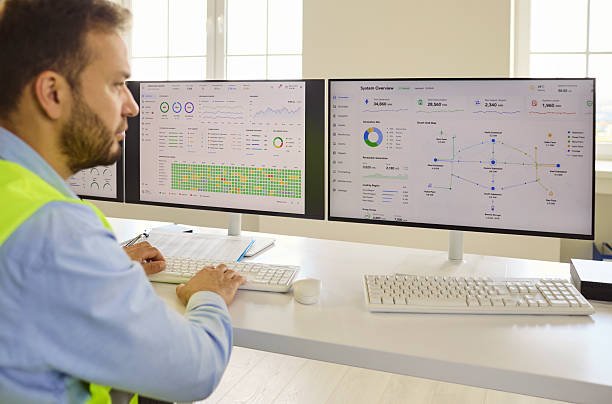
Usually it starts with a bad week. A late order, a customer asking which lot went into which shipment, a whiteboard that somebody wiped by accident. Then the owner says, “There has to be a better way.” And there is: it’s called manufacturing execution system software, and it tracks what’s being made on the floor, by whom, on which machine, and whether it came out right. Big plants have used it for decades. Smaller shops figured it was out of reach, too pricey, too complicated. That’s changed a lot, though some vendors still pitch it like it’s 2005.
Do You Actually Need One at Your Size?
Not always, no. One shift, a few jobs, everybody knows where everything is? A spreadsheet might hold for a while. But add more lines, more orders in flight, customers who want proof, and paper starts slipping. Small things first. A missing signature, a count that’s off by forty units, somebody’s handwriting nobody can read. Size isn’t the real trigger; complexity is. Too many moving parts, not enough eyes on them. When you find yourself spending Friday afternoons reconstructing what happened on Tuesday, you’re already late.
What Does It Really Cost, and What Does It Save?
People flinch here, fair enough. Licenses, hardware, setup, training, somebody’s time to run it. It adds up; I won’t pretend otherwise. But look at the other column. Scrap nobody caught, rework hours, overtime spent chasing missing info, audit fire drills. Most mid-sized plants lose more to that than they guess; they just never wrote the number down. Cloud versions have pulled the entry price down too, so it isn’t always one giant check. Pilot one line, watch what changes, then let the results argue for the next step. Easier to sell that way internally, too.
How Do Software Integration Services Fit In?
This part gets skipped in sales demos. An MES that doesn’t connect to your ERP, your scales, your machines, is just another island. Somebody ends up retyping data between screens, which defeats the point. That’s where software integration services earn their money. They map what data lives where, build the connections, test with your messy real inputs, and stay around when something breaks at 2 a.m. Ask any vendor early who handles integration, what protocols they support, and what happens with your older equipment. If the answer gets fuzzy, well, that’s your answer.
What Can It Do on the Shop Floor?
Quite a lot, once it’s connected. Orders flow down from the ERP; actuals flow back up. A SCADA monitoring system feeds live machine signals so you see a drifting temperature while the batch is still running, not next week in a review. Production process software gives operators clear work instructions, and manufacturing process management software ties scheduling and quality into the same loop. Operators spend more time running equipment and less time filling in forms, and honestly, they like that. Planners stop guessing. MES software solutions at their best just make the plant a bit less foggy.
Is It Different for Food and Pharma Plants?
Higher stakes, yes. Food and beverage manufacturing software built around an MES can trace an ingredient from receiving to the customer’s shelf in minutes, not days, and paired with food manufacturing inventory software, it stops you from running out of things that were supposedly in stock. In pharma, it’s heavier. Your MES becomes a regulated system, so you need computerized system validation software and documented proof it behaves the same every time. Same goes for process validation software in pharmaceutical industry work. Software for life sciences has to survive audits, not just demos. Validation costs time. Skipping it costs more.
How Do You Avoid the Classic Mistakes?
Failed rollouts look alike. Buying for the feature list instead of the problem. Ignoring operators until the week before go-live. Trying to do everything in phase one. Don’t. Pick one painful process, fix it, then grow. Get the floor involved early; they’ll spot issues no consultant will. Choose a vendor who knows your industry, ask for references from shops your size, and actually call them. Plan for change management too, because people resist new screens more than new machines, weird as that sounds. A sensible system integration methodology helps here, with clear steps and clear owners.
So, Is It Worth It? (Conclusion)
For most growing manufacturers, yes, if you buy with a clear problem in mind and a realistic plan. Manufacturing execution system software pays back through less scrap, faster traceability, cleaner audits, and fewer late nights. It won’t fix a broken process by itself, though. Start small, connect it properly, measure everything. That’s the approach EZ Soft Inc takes with manufacturers who want results without a giant, risky rollout. Size changes the price tag, not the principle. If your current setup is costing you sleep, it’s probably time to take a serious look.