There’s something about indian traditional wedding attire that just hits different. It’s not just fabric stitched together with some shiny embroidery. It carries emotion. Family memories. Rituals. Sometimes even generations of stories packed into folds of silk and zari. A bride doesn’t just wear an outfit on her wedding day, she carries culture on her shoulders. That’s what makes Indian bridal fashion feel so heavy, in a good way though.
Across India, wedding clothing shifts with region, customs, and family preferences. A bride in Punjab might go for a heavily embroidered red lehenga, while someone in South India may choose a rich silk saree with temple jewelry. But lately, things are changing a bit. Modern brides want tradition, sure. But they also want comfort, individuality, and a silhouette that actually flatters. That’s where newer styles like the corset lehenga for women are making serious noise in bridal fashion circles.
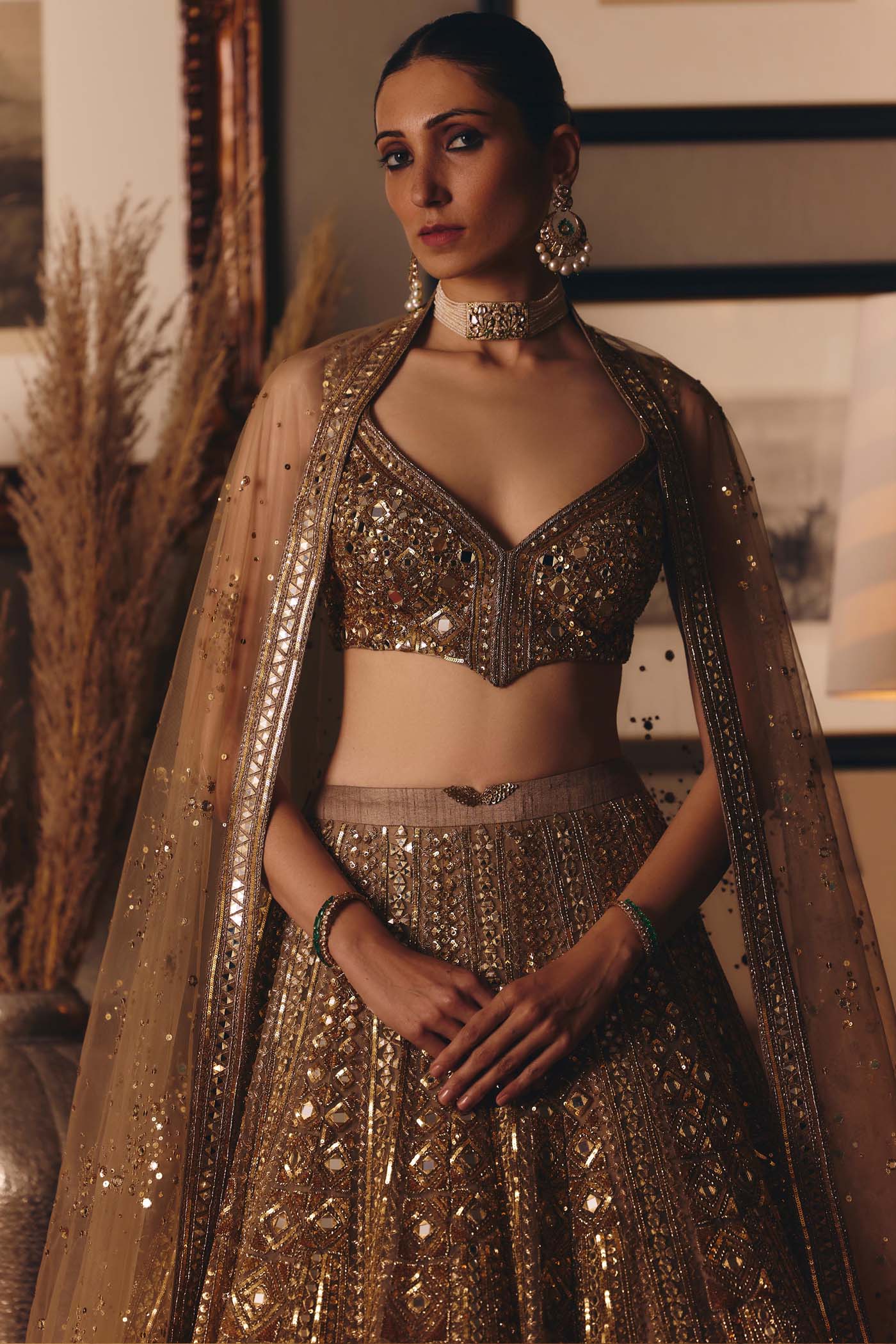
What Defines Indian Traditional Wedding Attire Across Regions?
When people hear indian traditional wedding attire, they usually imagine a red lehenga loaded with gold embroidery. Fair enough. It’s iconic. But Indian bridal fashion is way bigger than that one image.
In Rajasthan and Gujarat, mirror work and vibrant shades dominate. Bengali brides often wear white and red sarees with intricate gold borders. South Indian weddings lean heavily into Kanjeevaram silks, rich jewel tones, and timeless elegance. Kashmiri brides have their own signature bridal wear too, layered and culturally rooted.
The thing is, every region tells its own story through clothing. Patterns, colors, fabrics, even draping styles — none of it is random. And honestly, that’s what keeps traditional Indian bridal wear alive. It evolves, sure, but it never loses its roots. Even modern reinterpretations still pull heavily from these older influences.
Why Brides Are Choosing Corset Lehenga For Women
This trend didn’t just show up out of nowhere. The rise of the corset lehenga for women happened because brides got tired of compromising.
Traditional blouses often look beautiful but can feel restrictive. Some don’t offer enough support, others just don’t sit right after hours of ceremonies and photos. A corset blouse changes the game. It structures the body better, gives shape naturally, and honestly just makes posture look stronger.
There’s also the visual appeal. A corset adds clean definition to the waistline, which works beautifully with the volume of a lehenga skirt. It creates that dramatic bridal silhouette without needing over-the-top additions. And it feels fresh. Not forced trendy, just…updated.
A lot of brides now pair detailed hand-embroidered skirts with minimal corset tops, balancing heavy traditional work with contemporary tailoring. It works because it respects tradition while still feeling current.
The Evolution Of Bridal Lehengas In Modern Indian Weddings
A few years back, bridal shopping felt predictable. You’d see endless racks of red, maroon, and deeper shades with similar embroidery patterns. Heavy velvet was everywhere. Beautiful, yes, but honestly kind of repetitive.
Now? Things are looser. More experimental.
Pastels entered the scene and stayed. Ivory bridal lehengas became aspirational. Then came structured bodices, detachable dupattas, cape veils, and yes, the now-popular corset lehenga for women.
This shift reflects how modern brides think. They’re not dressing just to meet expectations anymore. They want personal style in the mix. Some still choose classic red because it feels right. Others go for muted champagne tones with traditional zardozi work. It’s less about following one strict bridal formula and more about owning the look.
Still, even with all these changes, the essence of indian traditional wedding attire remains untouched. It’s still about honoring the moment.
Choosing Fabrics That Blend Comfort With Bridal Grandeur
This part matters way more than people realize.
You can pick the prettiest bridal outfit on the rack, but if the fabric feels heavy, itchy, or impossible to move in, your wedding day becomes exhausting fast. Brides spend long hours sitting, standing, walking, greeting guests, posing endlessly. Fabric isn’t just about appearance.
Raw silk remains a favorite because it holds embroidery well without collapsing under weight. Organza gives softness and movement. Velvet still works for winter weddings but can get intense under heat. Georgette and net offer lighter alternatives, especially for layered lehengas.
For a corset lehenga for women, fabric choice is even more critical. The bodice needs enough structure to support the shape comfortably without digging in. Too stiff and it becomes unbearable. Too soft and it loses its form.
The best bridal looks balance opulence with wearability. It sounds obvious, but a lot of people forget that.
How Color Trends Are Reshaping Indian Traditional Wedding Attire
Red will always be the emotional core of indian traditional wedding attire. It symbolizes prosperity, love, strength, and all that beautiful wedding symbolism deeply woven into Indian culture.
But brides today are branching out.
Dusty rose. Sage green. Champagne gold. Soft peach. Even icy blues. These shades are becoming common because they photograph beautifully and offer something different without feeling disconnected from tradition.
What’s interesting is how these softer tones are often paired with classic craftsmanship. So while the color palette feels modern, the embroidery techniques remain deeply traditional — think gota patti, zari, resham, dabka.
A corset lehenga for women in muted shades especially stands out because the structured silhouette already makes a statement. Softer colors let the shape and detailing shine instead of competing visually.
And honestly? Some brides just look better in unconventional shades. That matters too.
Styling The Complete Bridal Look Beyond The Outfit
The outfit is the center, sure. But styling is what makes everything click.
Jewelry can completely transform bridal wear. Heavy kundan sets create regal drama. Polki adds old-world softness. Temple jewelry brings unmatched South Indian elegance. Then there’s the dupatta drape, which changes the entire vibe depending on how it’s styled.
Hair matters more than people admit. A low bun with fresh flowers can elevate even a simpler lehenga. Makeup too — overdone glam can clash badly with intricate bridal work.
For brides choosing a corset lehenga for women, styling often leans slightly cleaner. The structured bodice already brings edge, so many keep accessories refined rather than piling everything on.
The trick is balance. Indian bridal styling works best when no single element screams louder than the rest.
How To Find The Perfect Fit For Your Wedding Day
Fit can make or break even the most expensive bridal ensemble.
A lot of brides focus so hard on embroidery and color that they overlook tailoring. Huge mistake. Bridal wear has to fit almost perfectly because there’s little room to hide poor structure under all that detail.
This is especially true with a corset lehenga for women. Since the bodice is designed to contour the torso closely, precise measurements matter. Even slight errors become obvious.
Always schedule multiple fittings. Walk around in the outfit. Sit down. Raise your arms. Test comfort realistically. Wedding day movement isn’t graceful and posed all the time, no matter what Pinterest says.
Traditional bridal wear should feel secure, not suffocating. If you’re constantly adjusting straps or tugging fabric, something’s off.
Why Indian Traditional Wedding Attire Continues To Inspire Fashion Globally
Indian bridal fashion has become impossible for the global fashion world to ignore.
Designers internationally borrow embroidery techniques, silhouettes, and textile inspirations rooted in indian traditional wedding attire. There’s a richness there that fast-fashion trends can’t replicate.
The layering, craftsmanship, handwork, and symbolic detailing make Indian bridalwear incredibly distinctive. It tells a fuller story than many Western bridal traditions.
And with silhouettes like the corset lehenga for women, Indian fashion keeps proving it can innovate without abandoning heritage. That balance is rare.
Fashion works best when it evolves naturally. Indian bridal wear does exactly that.
The Future Of Bridal Fashion Is Tradition Reimagined
Here’s the truth. Trends come and go. Some bridal styles will fade fast. Others will stick around.
But the future of indian traditional wedding attire isn’t about replacing old customs with flashy trends. It’s about reinterpretation. Thoughtful evolution.
The growing love for the corset lehenga for women shows exactly where bridal fashion is headed — toward designs that respect cultural identity while embracing modern structure, comfort, and personal expression.
Brides today want authenticity. They want to feel connected to heritage without looking like every other wedding album they’ve seen.
And that’s probably the best direction possible. Tradition shouldn’t feel frozen. It should breathe, shift, and keep making space for new stories. That’s what keeps it alive.