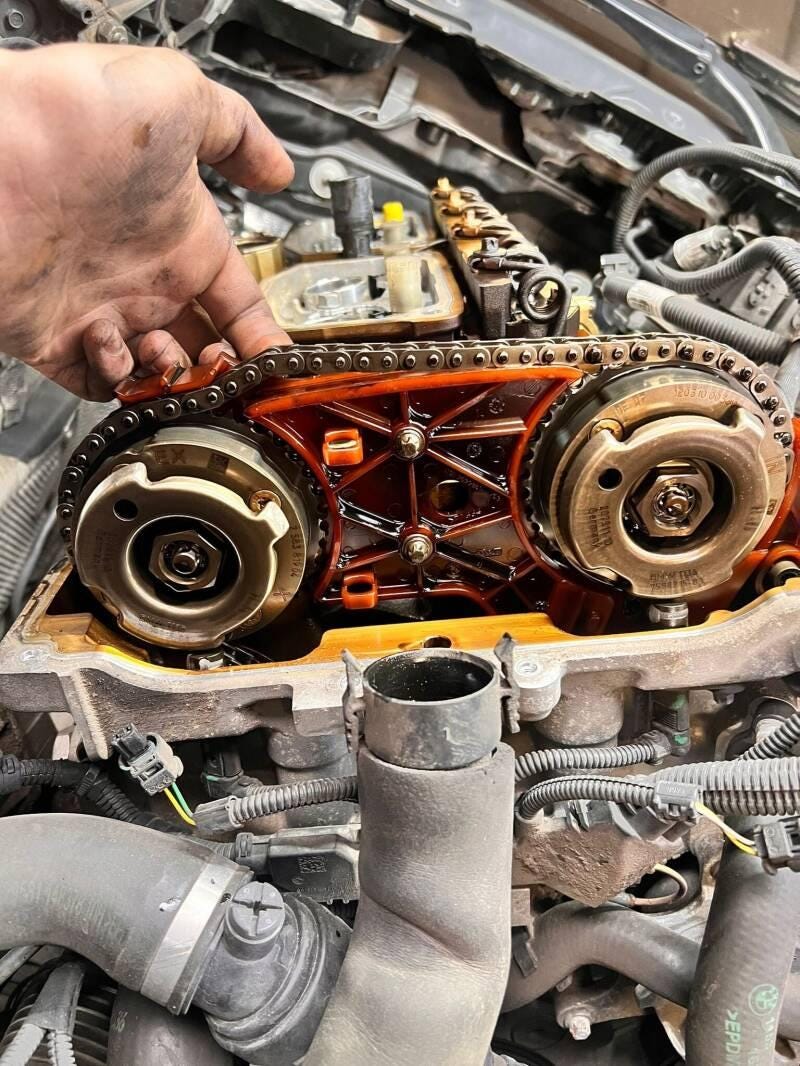
A timing chain is one of the most important components inside a modern engine. It keeps the crankshaft and camshaft synchronised so that valves open and close at precisely the right moment. Unlike some timing belts, timing chains are designed for long-term use, but they are not immune to wear. When a chain becomes stretched, damaged, or poorly tensioned, the consequences can range from poor engine performance to severe internal damage.
Understanding when BMW timing chain replacement or another type of timing chain service may be necessary can help vehicle owners identify problems early and avoid unnecessary repair costs.
Why Timing Chains Matter
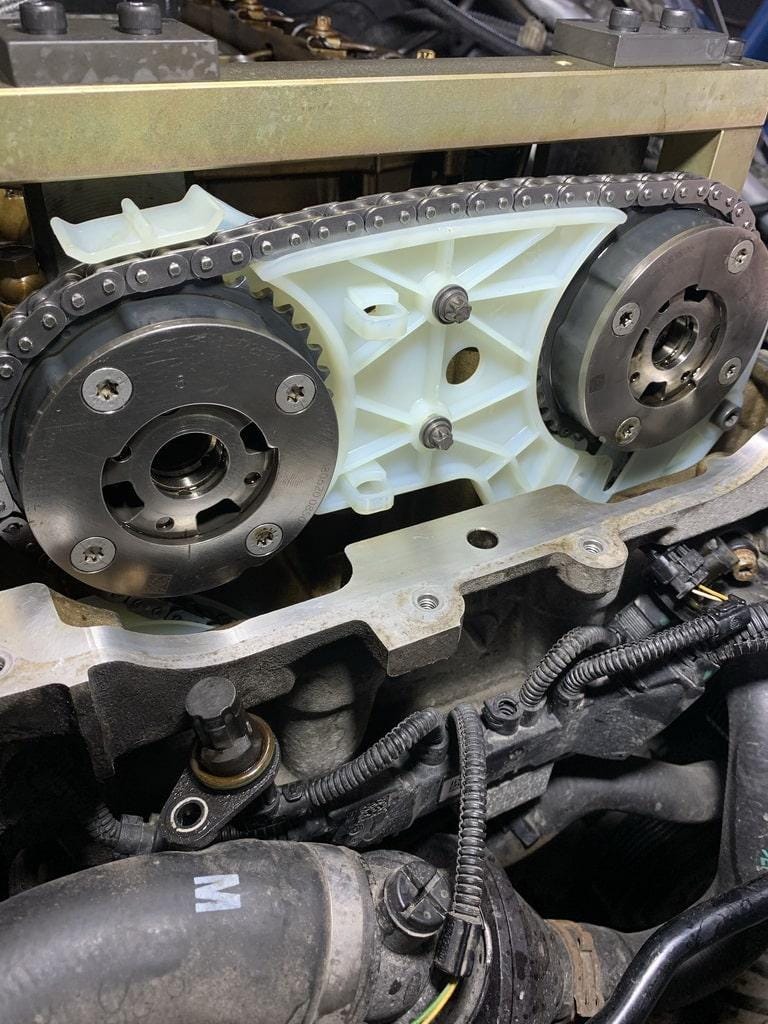
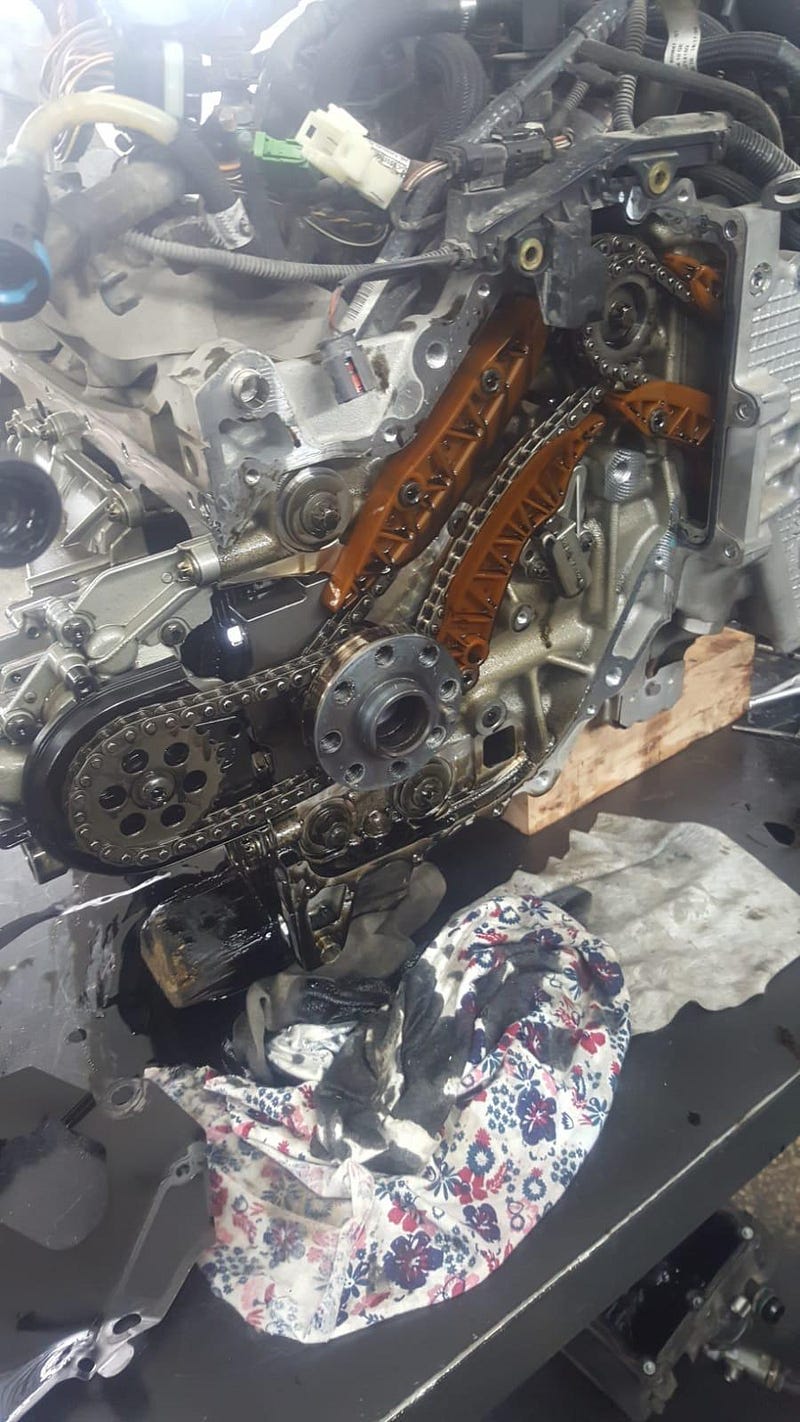
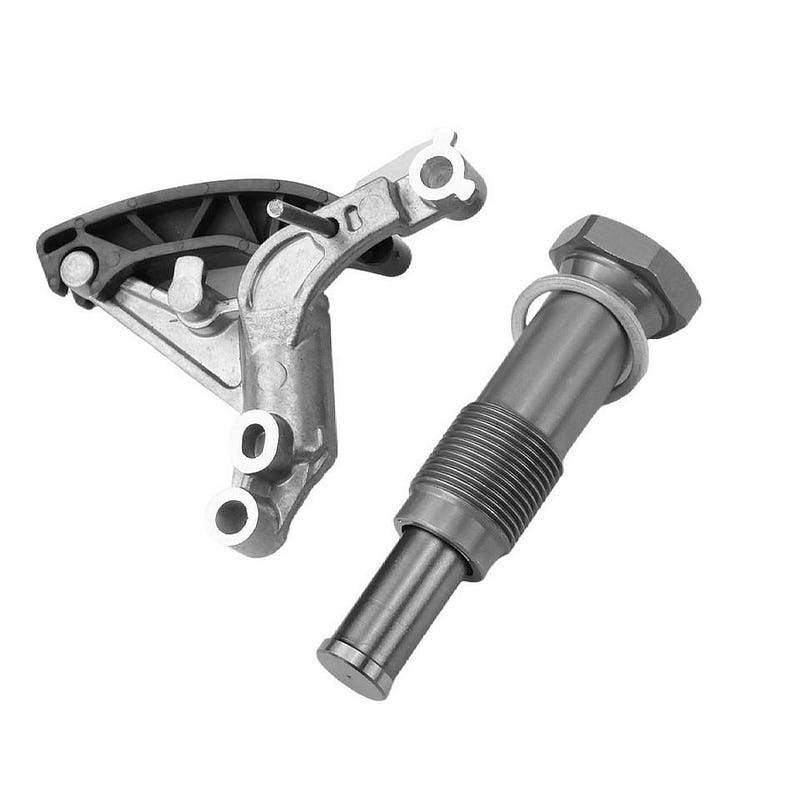
The timing system works continuously while the engine is running. A timing chain operates alongside components such as guides, tensioners, sprockets, the crankshaft, and camshaft. Together, these parts maintain accurate valve timing.
Modern engines place considerable demands on timing chains. Turbocharged engines, stop-start driving, extended service intervals, and high mileage can all contribute to component wear.
A timing chain problem may develop gradually. Common warning signs include:
- Rattling or metallic noises, particularly during cold starts
- Rough idling or engine hesitation
- Reduced fuel efficiency
- Difficulty starting the engine
- Engine warning lights
- Misfiring or poor acceleration
- Fault codes relating to camshaft or crankshaft timing
These symptoms do not automatically mean the timing chain is failing. Similar problems can be caused by sensors, ignition components, oil-pressure issues, or other engine faults. Proper diagnosis is therefore important before replacing expensive components.
BMW and MINI Timing Chain Issues
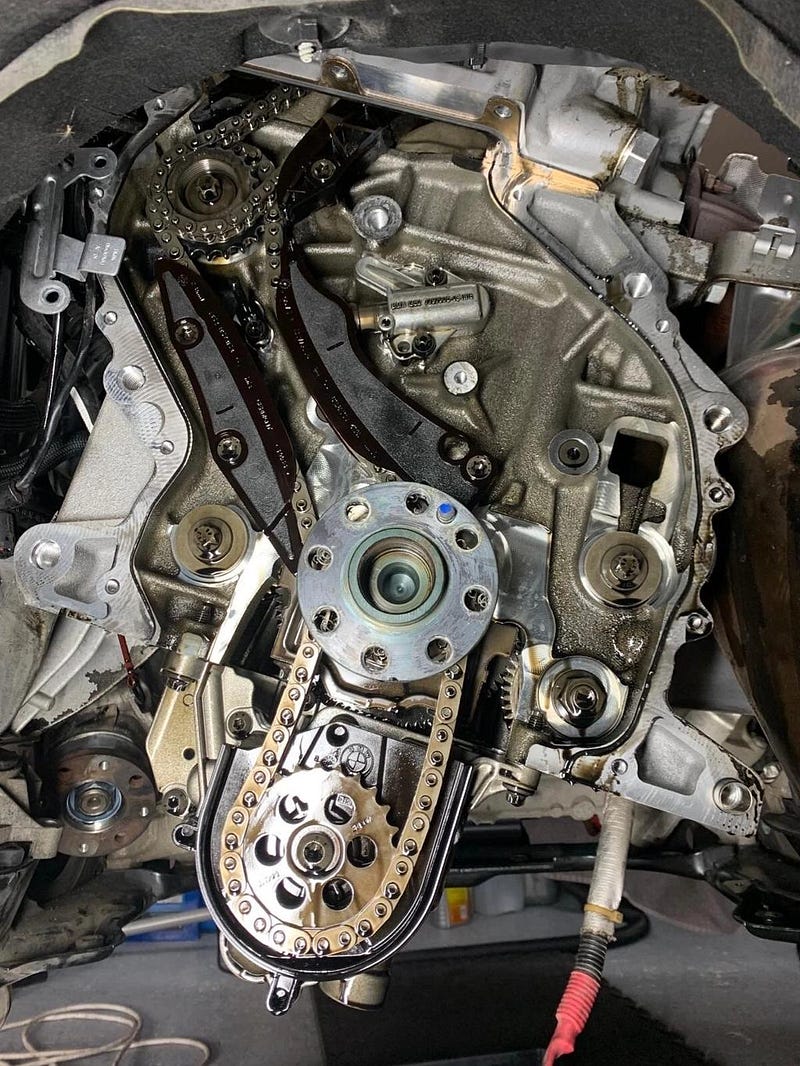
BMW and MINI vehicles use a variety of engine designs, and timing chain arrangements differ according to model, engine generation, and production year. Certain engines have developed reputations for timing-chain-related issues, making inspection particularly important when unusual noises or timing-related fault codes appear.
For drivers researching mini cooper s timing chain replacement, the exact engine specification should be confirmed before estimating the repair. The same model name can cover different engines and generations, meaning replacement procedures and parts requirements may vary.
The condition of the engine oil is also relevant. Timing chains and their tensioners depend on proper lubrication. Incorrect oil, low oil levels, contaminated oil, or excessively extended oil-change intervals can contribute to premature wear.
For this reason, regular servicing is not simply about maintaining engine performance; it can also help protect timing-system components.
What Determines Timing Chain Replacement Cost?
One of the most common questions from vehicle owners is about timing chain replacement cost. There is no universal figure because the final cost depends on several factors.
Important considerations include:
- Vehicle and engine type: Different engines require different procedures and parts.
- Accessibility: Some timing chains are positioned in areas that require substantial dismantling to reach.
- Parts required: A complete repair may involve the chain, guides, tensioners, sprockets, seals, and other related components.
- Labour time: Complex engine layouts can significantly increase workshop labour.
- Existing damage: If a stretched or broken chain has caused valve or piston damage, additional repairs may be required.
- Parts quality: Original-equipment or reputable aftermarket components can affect the overall repair cost.
Owners searching for mini one timing chain replacement cost should therefore avoid relying solely on generic online price estimates. A proper inspection and vehicle-specific quotation provide a much more realistic assessment.
What Happens During Timing Chain Replacement?
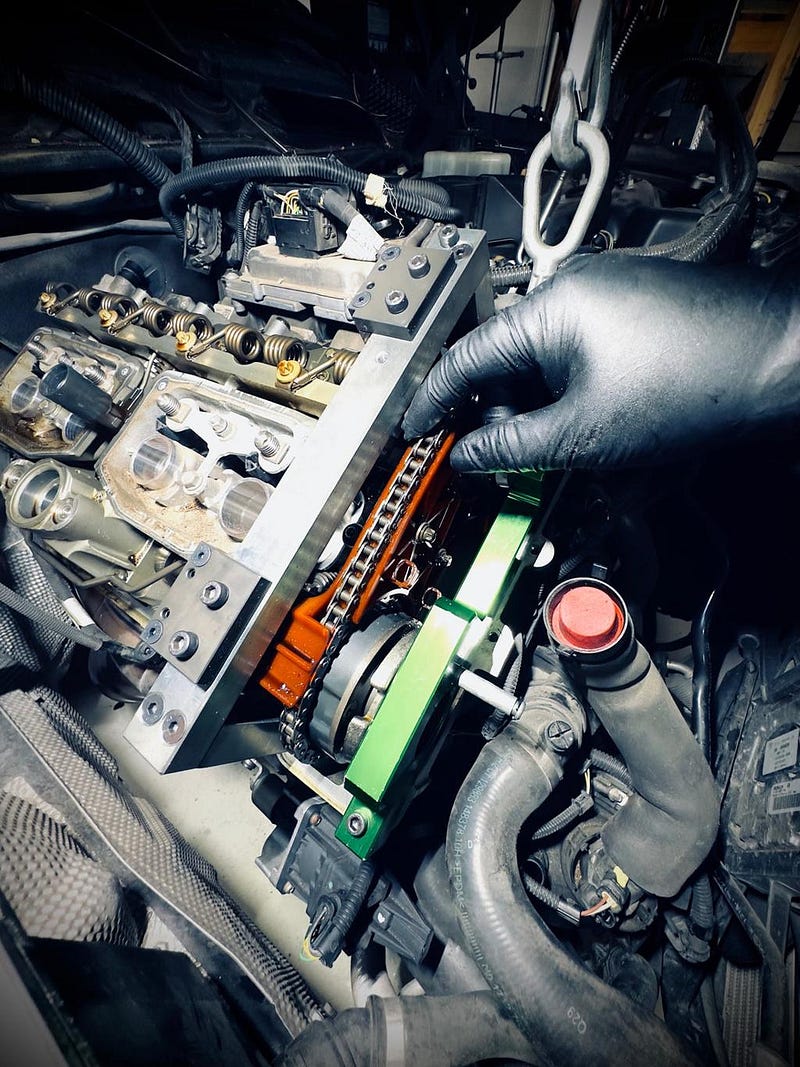
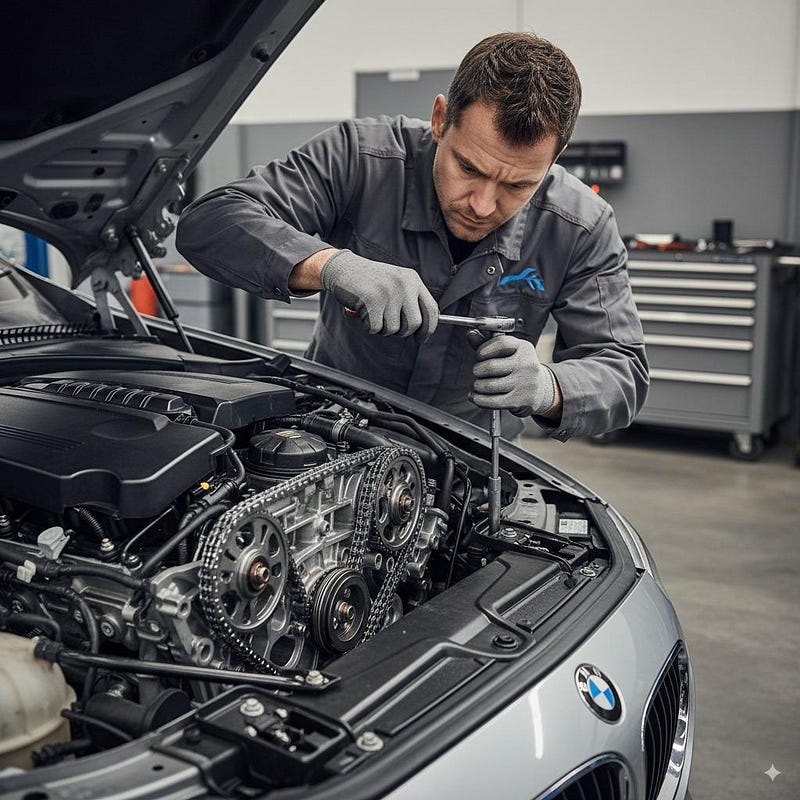
Replacing timing chain components is a specialist mechanical procedure rather than a simple routine maintenance task. The process normally begins with diagnosis and confirmation of the fault.
A technician may check stored diagnostic codes, listen for abnormal noises, assess engine timing, and inspect relevant components. Once replacement is confirmed, the engine is positioned correctly before the existing timing components are removed.
Depending on the vehicle, the job may include:
- Removing components that restrict access to the timing system
- Setting the engine to the correct timing position
- Removing the worn chain and associated components
- Inspecting guides, tensioners, and sprockets
- Installing replacement components
- Correctly aligning crankshaft and camshaft timing
- Reassembling the engine
- Checking oil levels and leaks
- Testing engine operation and timing
Correct alignment is critical. Even a small timing error can result in poor engine performance or serious mechanical damage.
When Should You Investigate a Timing Chain Problem?
There is no single replacement interval that applies to every vehicle. Some manufacturers describe timing chains as long-life components, while real-world conditions can still cause premature wear.
Drivers should pay attention to changes in engine behaviour rather than waiting for a chain to fail completely. A cold-start rattle, unexplained engine warning light, repeated timing-related fault codes, or changes in performance deserve professional investigation.
For owners considering mini timing chain replacement, early diagnosis can be particularly valuable. Identifying excessive chain wear before it causes major engine damage may reduce the scope and cost of repairs.
Likewise, anyone researching mini cooper timing chain replacement should consider the vehicle’s mileage, service history, engine type, symptoms, and previous maintenance rather than relying on mileage alone.
Choosing a Practical Approach to Timing Chain Maintenance
Preventive maintenance begins with following the manufacturer’s recommended servicing requirements. Using the correct engine oil and replacing it at appropriate intervals is especially important for engines with hydraulically operated timing-chain tensioners.
It is also useful to keep records of previous repairs and investigate unusual engine noises promptly. A specialist workshop can use diagnostic equipment and mechanical inspection to distinguish a genuine timing-chain issue from other engine faults.
For readers looking for further information about MINI-related timing-chain costs and repair considerations, S&M Auto Service’s MINI Cooper timing chain replacement information provides a relevant example of the factors that can influence the repair.
Conclusion
Timing chains are engineered for durability, but they should not be considered maintenance-free. Wear to the chain, guides, tensioners, or sprockets can eventually affect engine timing and reliability.
Whether researching BMW timing chain replacement, mini cooper s timing chain replacement, or a broader timing-chain repair, the most sensible approach is to diagnose the underlying problem before committing to major work. Understanding the symptoms, service history, engine design, and likely labour requirements can help vehicle owners make informed decisions.
The key takeaway is simple: unusual timing-related noises or engine symptoms should not be ignored. Early professional assessment can help identify wear before a relatively manageable timing-system problem develops into extensive engine damage.