Walk into any busy office on a Monday morning and you can almost feel it — phones ringing, coffee machines humming, footsteps everywhere. What most people don’t think about is what’s living on the doorknobs, keyboards, and break room counters they touch all day. Germs don’t take weekends off, and neither should a proper cleaning routine.
Commercial spaces see hundreds of hands, shoes, and surfaces interacting every single day. A retail store, a clinic, a co-working hub, a restaurant kitchen — each one is a different kind of germ battlefield. That’s exactly why business owners are leaning more on trained cleaning teams instead of leaving hygiene to chance or a quick wipe-down before closing time.
Why Everyday Cleaning Isn’t Enough Anymore
There’s a difference between cleaning and disinfecting, and a lot of businesses still mix the two up. Wiping a desk with a damp cloth might make it look clean, but it doesn’t mean the surface is free of bacteria or viruses. Germs can survive on hard surfaces like door handles, elevator buttons, and shared equipment for hours, sometimes days.
This is where a structured, science-backed approach matters. Professional cleaning isn’t about spraying something and moving on — it’s about knowing contact time, choosing the right disinfectant for the right surface, and covering the spots people usually forget, like light switches, vending machine buttons, and shared printers.
What Sets Trained Teams Apart
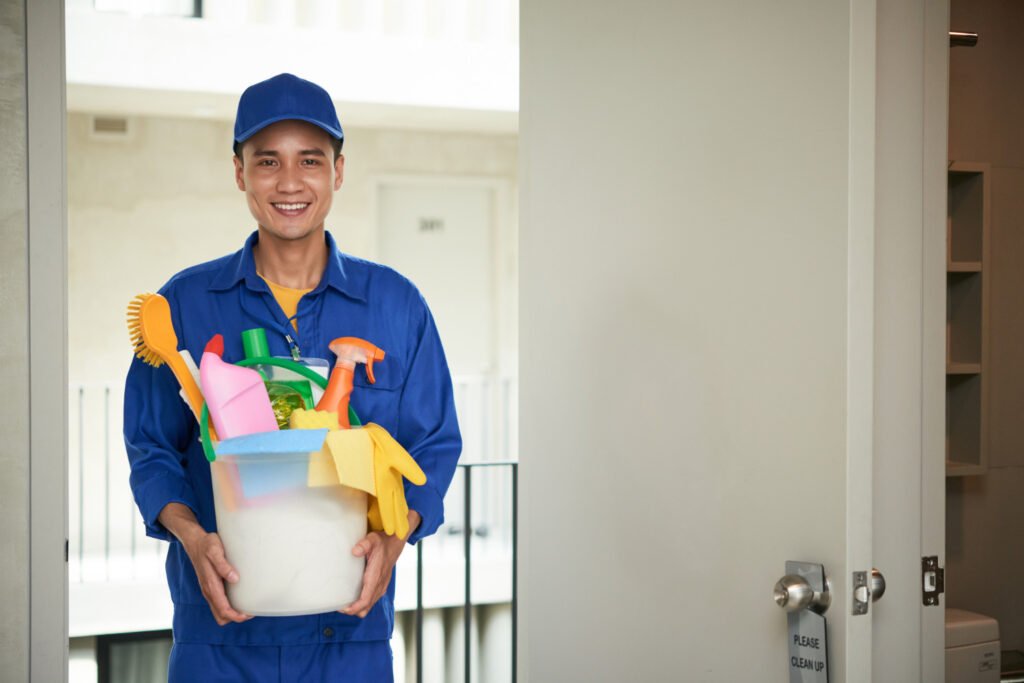
A regular cleaning crew and a genuinely skilled one look similar on paper, but the results tell a different story. Good hygiene partners bring a few things to the table that make a real difference:
- They follow a checklist, not a guess-and-go method
- They use EPA-approved or hospital-grade disinfectants where needed
- They know high-touch zones and prioritize them
- They rotate cleaning tools to avoid cross-contamination between rooms
- They document what was cleaned and when, so there’s accountability
This is the core reason so many offices, clinics, and retail chains now prefer working with trusted cleaning professionals rather than handling everything in-house. It’s not that in-house staff don’t try — it’s that specialized training and the right equipment make a measurable difference in how clean “clean” actually is.
A Quick Look at High-Risk Zones in Commercial Spaces
| Area | Why It’s Risky | Recommended Cleaning Frequency |
|---|---|---|
| Reception desks & door handles | Touched by every visitor | Multiple times a day |
| Restrooms | High bacteria transfer | Every 2-3 hours in busy locations |
| Break rooms & kitchens | Food contact + shared appliances | Daily deep clean |
| Elevator buttons & handrails | Constant hand contact | Multiple times a day |
| Desks & shared workstations | Long contact time, keyboards & phones | Daily |
| Conference rooms | Shared tables, remotes, markers | After every meeting if possible |
A table like this might look simple, but it’s basically the backbone of any solid commercial cleaning plan. Once a business knows which zones carry the most risk, scheduling becomes a lot more practical.
The Human Side of Hygiene Work
People rarely give cleaning staff the credit they deserve. It’s physical, repetitive work that requires attention to detail most of us never notice unless something’s wrong. A good cleaner doesn’t just follow instructions — they develop an eye for things that don’t belong: a sticky spot near a coffee machine, a smell that shouldn’t be there, a trash bin that’s overflowing before pickup day.
That’s the value trusted cleaning professionals bring beyond the checklist. They notice patterns. They flag maintenance issues before they turn into bigger problems, like a leaking pipe under a sink or mold starting near a window seal. In many ways, they become an extra set of eyes for facility managers who can’t be everywhere at once.
How Businesses Are Adjusting Post-Pandemic
Hygiene expectations shifted hard after COVID-19, and honestly, they haven’t gone back to where they were before. Employees and customers alike now notice things they wouldn’t have paid attention to a few years ago — hand sanitizer stations, visible cleaning schedules, air quality, and general upkeep.
Companies offering commercial cleaning, including platforms like Insta Service, have adapted by offering more transparent scheduling, disinfection logs, and flexible plans that fit different business sizes. Whether it’s a small clinic needing daily sanitization or a large retail chain managing multiple locations, the demand for reliable, on-call cleaning support has only grown.
What’s interesting is that a lot of businesses don’t just want cleaning anymore — they want proof. Photos after service, checklists signed off, or simple reports showing what was done. It’s less about trust on paper and more about trust built through visible consistency.
Choosing the Right Cleaning Partner
Picking a cleaning service isn’t just about price. A few practical things worth checking before signing any contract:
- Ask if their staff is trained specifically in disinfection protocols, not just general cleaning
- Check what products they use — some cheaper options aren’t effective against certain bacteria
- See if they offer flexible scheduling for peak hours or emergency situations
- Look for reviews or references from similar businesses in your industry
- Confirm insurance and liability coverage, especially for larger commercial properties
Platforms such as Insta Service have made this process a bit easier by connecting businesses with vetted teams, cutting down the guesswork that used to come with hiring local cleaning crews blindly.
Final Thoughts
Keeping a commercial space germ-free isn’t a one-time task — it’s an ongoing habit built on consistency, the right products, and people who actually know what they’re doing. Businesses that treat hygiene as an afterthought usually end up paying for it later, whether through sick days, bad reviews, or worse, health code violations.
At the end of the day, a clean space says something about how a business runs. It tells customers and employees that someone’s paying attention, even to the small stuff. And that’s really what good hygiene management comes down to — not perfection, just steady, reliable care.
FAQs
Q1. How often should a commercial space be professionally cleaned?
It depends on foot traffic. High-traffic spaces like clinics or retail stores usually need daily cleaning, while smaller offices might do fine with 2-3 times a week plus daily light cleaning.
Q2. What’s the difference between cleaning and disinfecting?
Cleaning removes visible dirt and dust, while disinfecting kills germs and bacteria on surfaces. A proper hygiene routine needs both, not just one.
Q3. Can regular staff handle cleaning instead of hiring professionals?
They can, but without proper training and the right disinfectants, results are usually inconsistent. Trained teams follow protocols that reduce contamination risks far more effectively.
Q4. What areas get missed most often during cleaning?
Light switches, remote controls, shared keyboards, and elevator buttons are commonly overlooked, even though they’re touched constantly throughout the day.
Q5. Is professional cleaning worth the cost for small businesses?
Yes, especially when weighed against potential health risks, employee sick days, and customer perception. Even a basic weekly professional clean can make a noticeable difference.