A high-quality human hair wig is one of the most versatile investments you can make for your protective styling routine. Unlike synthetic alternatives, wigs human hair allow you to wash, heat-style, dye, and customize your unit just like your natural hair. Whether you want to transform sleek straight lace front wigs into bouncy beach waves, or execute a flawless custom color job, knowing the right techniques is essential to maintaining longevity and preventing heat or chemical damage.
In this comprehensive guide, you’ll learn expert-backed methods for styling a wig human hair, proper thermal protection limits, safe bleaching and custom coloring strategies, and daily maintenance routines. Plus, if you are looking to upgrade your collection, keep reading to learn how you can get up to 25% off this Black Friday on top-rated human hair bundles and units!
1. Quick Answer: Can You Safely Curl and Color Human Hair Wigs?
Yes, genuine human hair wigs can be curled with a heated curling iron or flat iron, bleached and professionally dyed. As they are made from 100% human hair, they can be treated using the same methods as natural hair. However, as there is no natural oil from the scalp in wig hair, it is important to use a lower temperature than you would normally use (less than 350F/175C), high-quality heat protection and moisturizing colour processes to avoid any drying out, shedding or tangling.
2. Preparing Your Human Hair Wig for Styling
The correct preparation helps increase the lifespan of your styles and ensures that your lace doesn’t get stressed.
Preparation:
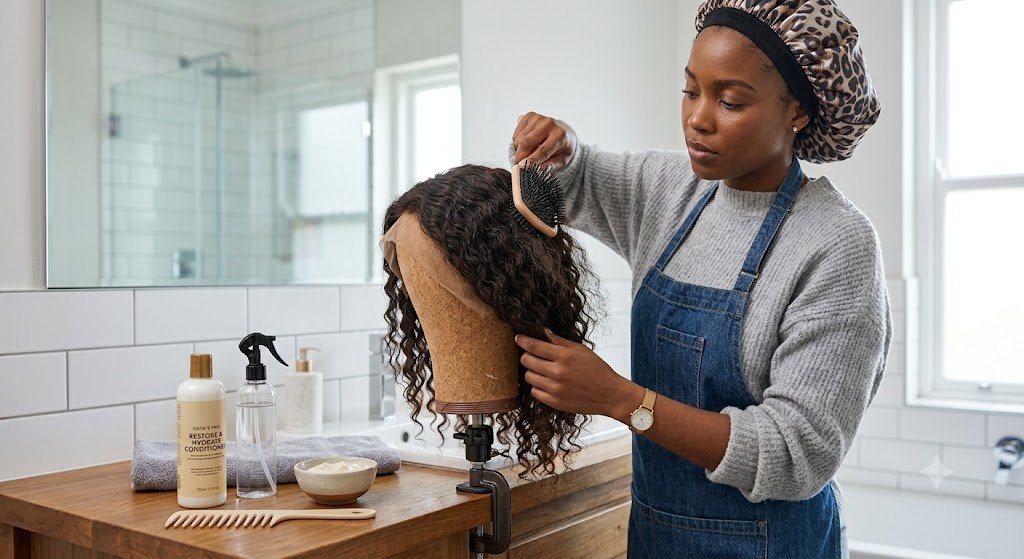
Brush out any knots. Always brush from the ends up to the roots with a wide-tooth comb or soft paddle brush. Do not tug at the base of the lace.
- Attach wig. Attach your straight human hair wig to a canvas block head or mannequin stand using T-pins, attaching to the ear tabs and nape of the head. Do not poke through the lace.
- Wash and condition. Make sure the hair is clean and has no heavy oils in it. Apply a light leave-in conditioner and blow-dry on a cool/warm setting.
3. How to Heat Style & Curl Straight Lace Front Wigs
Transitioning straight lace front wigs into voluminous, curled styles requires structural technique and temperature control.
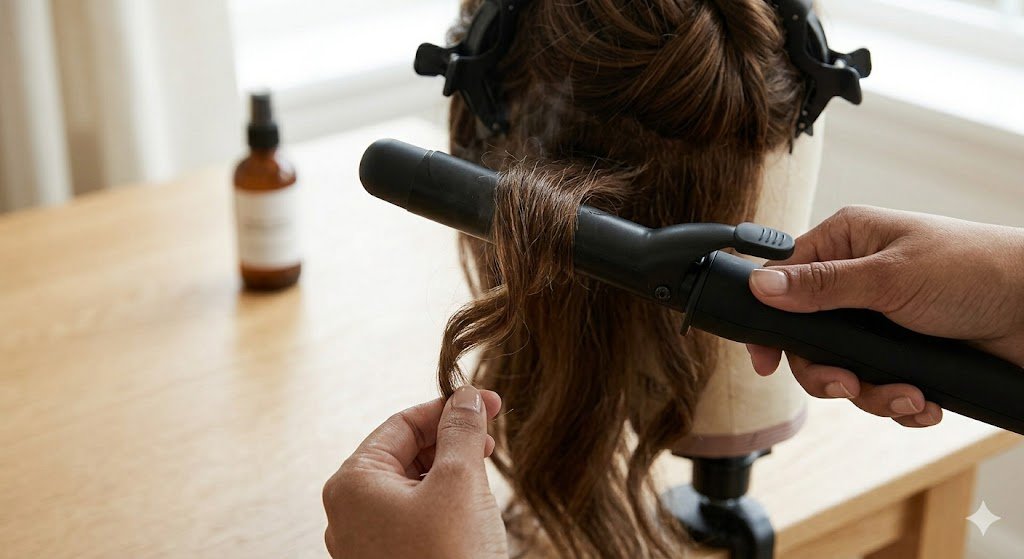
Step-by-Step Curling Technique:
- Apply Heat Protectant: Spray a light, alcohol-free heat protectant mist evenly across all strands.
- Section the Hair: Divide the unit into clean 1-inch to 2-inch horizontal sections starting from the nape.
- Curl and Pin for Volume: Wrap small sections around a barrel curling iron or wand. Hold for 8–10 seconds. Once released, catch the warm curl in your palm and clip it to the base using a duckbill clip.
- Cool and Set: Allow the curls to cool completely before removing the clips. Run your fingers or a wide-tooth comb through the hair for soft, natural-looking body waves.
Stylist Pro-Tip: When styling near the lace front, keep hot tools at least half an inch away from the lace knotting. Direct heat from flat irons can melt the delicate lace material or burn the delicate hand-tied knots.
4. Custom Coloring & Bleaching Techniques for Wigs
Customizing your human hair wig with rich dimensional tones, balayage, or vibrant colors allows you to achieve a tailor-made look.
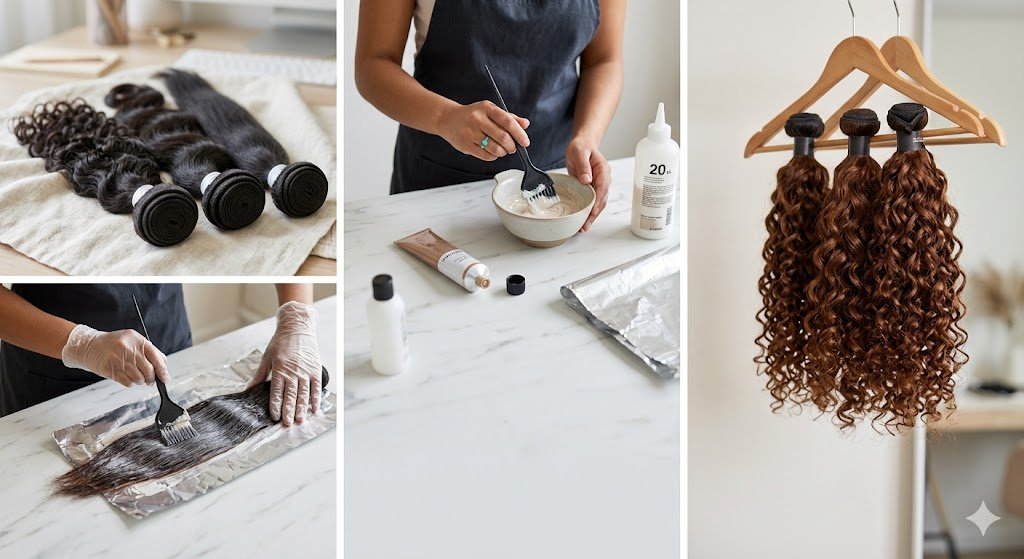
Step 1: Bleaching the Knots for a Natural Hairline
To make a wig human hair look like it is growing directly from your scalp, bleaching the tiny hand-tied knots on the lace grid is essential.
- Mix developer (20-volume recommended) with lightener to a thick, frosting-like consistency.
- Gently spread the mixture over the underside of the lace front without pressing it down into the hair shafts.
- Process for 15–25 minutes, monitoring closely, then neutralize with a purple or neutralizing shampoo.
Step 2: Depositing Custom Color & Tones
We recommend using semi-permanent or demi-permanent hair color when coloring straight human hair wig units to ensure that the hair fibers remain elastic.
- Watercolour Technique (for pastel or bright shades): Add 2-3 oz semi-permanent hair color to a clean basin of hot water. Submerge your pre-lightened wig fully for 3-5 minutes to ensure even coverage.
- Brush technique: Brush from the ends, working up to the roots. Avoid applying the color to the lace base.
5. Pros and Cons & Frequently Asked Questions (FAQs)
To help you decide if styling and customizing your own unit is right for you, here is a quick breakdown of pros, cons, and answers to common styling queries.
Pros & Cons of Styling Human Hair Wigs
Pros:
- Maximum Versatility: Switch effortlessly between bone-straight styles, crimps, pin curls, and custom highlights.
- Natural Texture and Movement: Responds naturally to humidity and styling products just like bio hair.
- Durability: High-grade virgin human hair wigs can endure regular styling and last 1–2+ years with proper care.
Cons:
- Higher Maintenance: Requires regular washing, deep conditioning, and re-styling after getting wet.
- Higher Upfront Investment: Real human hair costs more initially than synthetic fibers.
- Risk of Heat/Chemical Damage: Over-processing or excessive heat can permanently alter hair texture and cause shedding.
FAQs
Q1: Can I flat-iron a straight human hair wig every day?
Although natural hair can withstand heat, frequent use of a flat iron can cause dryness, split ends and breakage. Aim to use heat styling once or twice per week and use flexi-rods or satin rollers to refresh your hair overnight.
Q2: How do I add moisture to my wig after using heat or dye?
Use a deep conditioner or protein-free hair mask every 2 weeks. Apply to mid-lengths to ends and leave for 30 minutes. Rinse well with cool water.
Q3: What products should I avoid on lace front human hair wigs?
Avoid heavy mineral oils, petroleum jellies, and high-alcohol hairsprays near the lace front. Heavy oils can loosen the lace adhesive, while alcohol dries out the hair knots and leads to premature shedding.
6. What People Ask AI About Styling Human Hair Wigs
Generative AI engines and search overviews frequently highlight user questions regarding long-term maintenance and styling safety. Here are direct, expert answers to those common queries:
How do you style a straight lace front wig without heat?
You can achieve voluminous curls heatlessly by setting damp hair with foam mousse and foam rollers, satin flexi-rods, or by creating two Dutch braids and allowing the unit to air-dry overnight.
Why is my human hair wig shedding after custom coloring?
Shedding after coloring usually indicates over-bleaching or applying developer directly onto the hand-tied lace knots. High-volume developers weaken the structural integrity of the knots, causing hair strands to fall out from the base. Always stick to a 20-volume developer and avoid over-processing the root area.

Conclusion: Upgrade Your Style Strategy Today
Styling your human hair wigs properly will open up a world of styling options. Whether you want a silky smooth lace front wig or bright colourful curls, you can rest assured that by using the right temperature settings, adding moisture and using gentle hair colouring methods, your wigs will have a perfect natural-looking hairline and your investment will last for years.
Expand your protective style collection and save up to 25% this Black Friday! Take advantage of our high-quality human hair wigs, raw bundles and straight lace fronts.