air conditioning installation arlington
Installing a new air conditioning system is a significant home improvement project, especially in a climate where dependable cooling is essential for much of the year. Proper preparation can help the installation process move smoothly while giving technicians enough space to work safely and efficiently. Homeowners should consider equipment selection, installation access, ductwork, electrical requirements, and the condition of the existing system before installation day. When planning air conditioning installation arlington preparing the property in advance can reduce unnecessary delays and make the overall experience easier. A little organization beforehand can also help homeowners understand what to expect from the installation team.
Evaluate Your Home Before Installation
Before purchasing a new air conditioner, homeowners should have the property evaluated by a qualified HVAC professional. The right system should be selected according to the home’s cooling requirements rather than simply choosing the largest available unit. Factors such as square footage, insulation, windows, ceiling height, occupancy, existing ductwork, and local climate conditions can influence equipment selection. An appropriately sized system can provide more consistent comfort and avoid some problems associated with equipment that is significantly oversized or undersized. A professional assessment gives homeowners a better foundation for making an informed equipment decision.
It is also useful to discuss the problems experienced with the previous system. If certain rooms were consistently warmer, humidity was difficult to control, or airflow seemed weak, tell the contractor before installation begins. These details may indicate that ductwork, insulation, airflow, or system sizing deserves additional attention. Replacing equipment without considering existing comfort problems may not fully address the reason those problems developed. A thorough pre-installation conversation gives the contractor an opportunity to recommend a solution that considers the entire cooling system rather than just the outdoor unit.
Choose the Right Air Conditioning System
Selecting new equipment should involve more than comparing brand names and advertised prices. Homeowners should consider cooling capacity, efficiency, operating costs, warranty coverage, controls, compatibility with existing components, and expected maintenance requirements. Ask the contractor to explain the differences between the proposed systems and how each option fits your home’s needs. Understanding the long-term operating requirements can be just as important as the initial purchase price. A system that is appropriately matched to the property can provide a more balanced combination of comfort, efficiency, and reliability.
Homeowners should also ask how the contractor determines the appropriate system size. Professional load calculations consider characteristics of the home rather than relying only on square footage. Equipment that is too large may cool the space quickly but cycle too frequently, while equipment that is too small may struggle during periods of extreme heat. Proper sizing is therefore an important part of successful air conditioning installation arlington. Before approving the installation, make sure the proposed system and its capacity have been explained clearly and that your questions have been answered.
Inspect Ductwork and Airflow
Existing ductwork deserves attention before a new air conditioner is installed. Leaks, damaged sections, restrictions, inadequate returns, or poorly connected ducts can reduce the effectiveness of a new cooling system. Homeowners sometimes assume that installing new equipment will automatically solve every comfort problem, but the distribution system also plays an important role. Ask the HVAC professional to inspect accessible ductwork and explain whether repairs, sealing, insulation, or modifications are recommended. Addressing significant airflow concerns during installation can help the new equipment perform as intended.
Air vents and returns should also be considered when preparing the home. Furniture, storage items, curtains, and other household objects should not block important airflow pathways. If certain rooms have always experienced temperature differences, mention those areas to the contractor. The technician may be able to identify whether the issue is related to duct design, airflow balance, insulation, or another factor. Preparing this information in advance helps the installation team focus on the property’s actual comfort requirements instead of simply replacing existing equipment.
Clear the Installation Areas
Physical access is one of the easiest things homeowners can prepare before installation day. Move furniture, boxes, decorations, and stored belongings away from the indoor unit, air handler, furnace, closet, attic access point, or other areas where technicians will need to work. A clear path allows installers to transport equipment and tools without unnecessary obstacles. It also reduces the chance of accidental damage to household belongings during the project. Taking care of this preparation before the crew arrives can save valuable time.
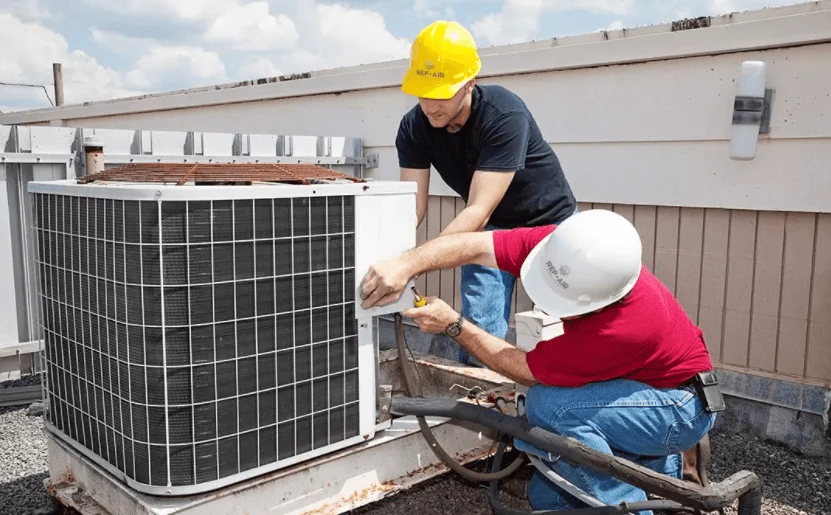
The outdoor condenser area should receive similar attention. Remove unnecessary objects, garden equipment, toys, debris, and other items surrounding the installation location. If plants or shrubs significantly restrict access, discuss the situation with the contractor before installation day. The technician may need sufficient working space to remove the old equipment and position the new unit correctly. Keeping the area accessible can help the installation team work more efficiently while maintaining a safer work environment.
Prepare Your Home for Installation Day
Homeowners should make arrangements for children and pets during the installation process. HVAC installation can involve tools, electrical equipment, heavy components, ladders, and open work areas that are not suitable for children or animals. Keeping pets in a separate room and restricting access to the installation area can help protect everyone involved. It also allows technicians to concentrate on their work without interruptions. If you have special concerns about access to particular rooms, discuss them with the contractor beforehand.
It is also wise to plan for temporary changes in indoor comfort. Depending on the complexity of the project, the existing system may need to remain off while equipment is removed and replaced. Ask the contractor how long the installation is expected to take and whether there are any circumstances that could extend the schedule. If possible, plan your day so you can remain available for important questions or final testing. Being present toward the end of the installation can also help you understand how to operate the new system.
Confirm Electrical, Thermostat, and Installation Requirements
A new air conditioner may have different electrical requirements from the system it replaces. Before installation begins, the contractor should evaluate whether the home’s electrical setup is appropriate for the selected equipment. Homeowners should not attempt to modify electrical connections themselves because HVAC electrical work requires appropriate knowledge and safety procedures. Ask whether any electrical upgrades, disconnect changes, or related work are expected. Understanding these requirements before installation can help prevent unexpected changes to the project.
The thermostat should also be discussed before the new system is installed. Depending on the equipment selected, homeowners may choose a standard programmable thermostat or a more advanced control system. Ask whether the existing thermostat is compatible with the new equipment and whether its current location provides a reliable temperature reading. If you are considering smart controls, discuss compatibility before purchasing a thermostat separately. Addressing control requirements during installation can help ensure the new system operates as expected from the beginning.
Prepare for Air Conditioning Installation in Keller, TX
The same preparation principles apply to homeowners arranging air conditioning installation keller tx. Whether the property is in Arlington, Keller, or another nearby community, professional system sizing, accessible installation areas, suitable ductwork, and appropriate electrical connections remain important considerations. Homeowners should also discuss warranties, equipment maintenance, startup testing, and final system operation with the contractor. Regional weather demands make reliable cooling especially important, so installation quality should not be treated as an afterthought. Preparing the property carefully can help create a smoother installation experience.
Homeowners should also ask what happens after the equipment is installed. A professional installation should include appropriate testing and an explanation of basic system operation. Ask the technician to demonstrate thermostat settings, filter access, maintenance requirements, and any features included with the new equipment. Keep the equipment documentation, model information, warranty details, and installation records in a safe place. These records can be useful when scheduling future maintenance or addressing warranty-related questions.
Complete a Final Walkthrough Before the Crew Leaves
Before the installation team finishes, take time to inspect the completed work with the technician. Confirm that the indoor and outdoor areas are clean, the thermostat is operating correctly, and the system is producing appropriate airflow and cooling. Ask whether any maintenance tasks need to be performed regularly and when the first professional inspection should be scheduled. You should also understand how to change the filter and recognize basic signs that the system may need service. A final walkthrough gives homeowners an opportunity to ask questions while the installation details are still fresh.
Preparing your home properly can make air conditioning installation less stressful and help the new system deliver dependable comfort. From selecting appropriately sized equipment to clearing installation areas and discussing ductwork, electrical requirements, and thermostat compatibility, each preparation step contributes to a more organized project. Homeowners planning air conditioning installation arlington should communicate openly with their HVAC contractor and avoid making important assumptions about the installation. The same approach applies when arranging air conditioning installation keller tx or similar services in nearby communities. With thoughtful preparation and professional installation, homeowners can start using their new cooling system with greater confidence and a clearer understanding of its long-term care.