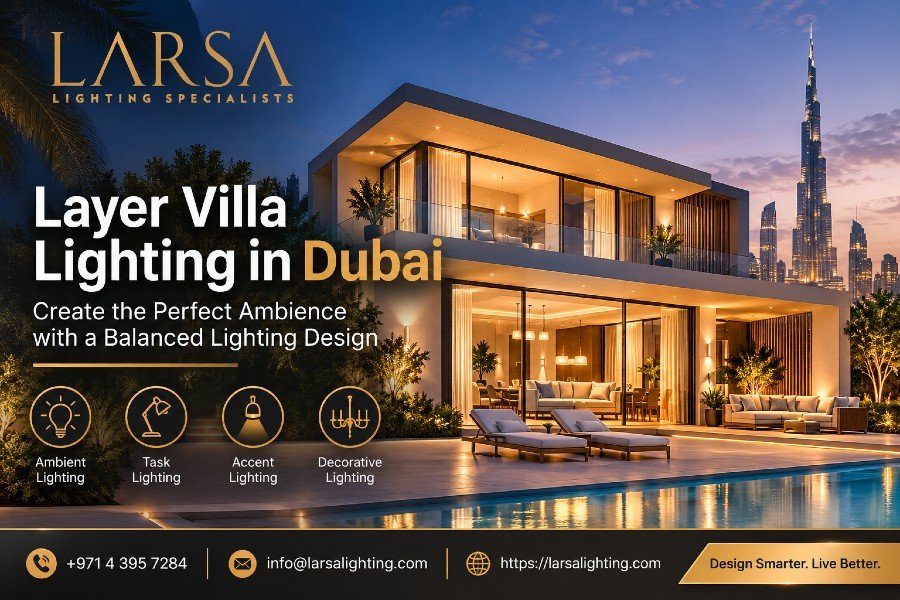
A modern villa is defined not only by its architecture, furniture, and interior finishes but also by how its spaces look and feel after sunset. Even beautifully designed interiors can appear incomplete when the lighting is too harsh, uneven, or poorly distributed. A well-planned lighting scheme brings together functionality, comfort, and visual appeal. This is where Layer Villa Lighting in Dubai plays an important role, helping homeowners create balanced and adaptable environments that complement contemporary lifestyles.
From spacious living rooms and elegant bedrooms to outdoor terraces and landscaped gardens, every area of a villa has different lighting requirements. Combining different lighting techniques allows each space to serve its purpose while maintaining a consistent design throughout the property.
Understanding the Concept of Layered Villa Lighting
Layered lighting involves combining multiple types of illumination to create a comfortable and visually balanced environment. Instead of depending on a single ceiling light, this approach uses different light sources to serve specific purposes.
The four main lighting layers include:
- Ambient Lighting: Provides general illumination throughout a room. Recessed downlights, ceiling fixtures, and concealed cove lighting are common options.
- Task Lighting: Focuses on activities such as cooking, reading, grooming, and working. Under-cabinet lights, desk lamps, and mirror lighting are useful examples.
- Accent Lighting: Highlights architectural details, artwork, textured walls, display shelves, and decorative features.
- Decorative Lighting: Adds character through chandeliers, pendant lights, wall sconces, and statement fixtures.
When these layers work together, they create depth and flexibility without making the interior feel overcrowded with lighting fixtures.
Begin With the Villa’s Architecture and Layout
Before selecting lighting fixtures, consider the villa’s architectural design, ceiling heights, room dimensions, furniture arrangements, and natural light availability. These factors influence the placement, intensity, and direction of artificial lighting.
For example, a double-height entrance may benefit from a decorative chandelier combined with recessed spotlights and wall washers. The chandelier establishes a focal point, while additional lighting prevents darker areas around the entrance.
Living rooms require a more flexible arrangement. Cove lighting can provide soft background illumination, while adjustable spotlights highlight artwork or architectural features. Floor and table lamps can introduce a relaxed atmosphere around seating areas.
Material finishes should also influence lighting decisions. Dark wood, textured stone, and heavy fabrics absorb more light, whereas glossy surfaces can produce unwanted reflections. Planning fixture positions around these materials helps maintain visual comfort.
Plan Lighting According to Each Room
Every room in a villa serves a different purpose. Therefore, its lighting arrangement should reflect how occupants use the space throughout the day.
Living Rooms and Dining Areas
Living rooms often accommodate family activities, relaxation, and entertaining guests. Combining indirect ceiling lighting, adjustable spotlights, and decorative lamps creates an adaptable environment.
Dining areas benefit from pendant lights or chandeliers positioned above the table. These fixtures provide focused illumination while establishing a visual centrepiece. Separate dimming controls allow homeowners to adjust brightness for everyday meals or evening gatherings.
Kitchens and Preparation Areas
Kitchen lighting should prioritise visibility and functionality. General ceiling illumination provides overall brightness, while under-cabinet LED strips reduce shadows on countertops.
Pendant fixtures above kitchen islands can introduce decorative interest without compromising practical lighting. Their size, positioning, and mounting height should be coordinated with the island dimensions and surrounding sightlines.
Bedrooms and Dressing Areas
Bedrooms generally benefit from softer illumination. Bedside reading lights, concealed headboard lighting, and adjustable ceiling fixtures provide different lighting options for relaxation and daily activities.
Wardrobe lighting can improve visibility inside storage spaces, while motion-activated low-level lights help occupants move around at night without switching on the main fixtures.
Bathrooms and Circulation Spaces
Bathroom lighting requires particular attention around mirrors. Vertical lights positioned beside mirrors can provide more balanced facial illumination than a single overhead fixture.
Meanwhile, corridors and staircases benefit from concealed strip lighting, wall-mounted fixtures, and recessed step lights. These solutions improve visibility while maintaining a clean architectural appearance.
Choose the Right Colour Temperature and Light Quality
Colour temperature influences the atmosphere of a room and how interior finishes appear. Warm white lighting, typically between 2700K and 3000K, works well in bedrooms, living rooms, and dining areas because it creates a welcoming environment.
Neutral white lighting may be suitable for kitchens, dressing rooms, and selected workspaces where clearer visibility is important. However, maintaining consistency across connected spaces helps prevent noticeable differences in lighting appearance.
Colour rendering is another important consideration. LED fixtures with a high Colour Rendering Index (CRI) help furniture, artwork, fabrics, and decorative finishes appear closer to their natural colours. This is particularly valuable in villas featuring carefully selected materials and premium interior details.
Extend Layered Lighting to Outdoor Spaces
Outdoor lighting should complement the villa’s architecture while improving the usability of exterior areas. Gardens, swimming pools, balconies, pathways, and terraces can all benefit from carefully positioned fixtures.
Wall washers can reveal façade textures, while landscape spotlights highlight trees and selected planting features. Recessed pathway lights and bollards help guide movement around outdoor spaces.
In Dubai, outdoor fixtures must also withstand challenging environmental conditions, including high temperatures, dust, humidity, and occasional coastal exposure. Selecting products with suitable IP ratings, corrosion resistance, and reliable thermal management helps support long-term performance.
A balanced approach is preferable to excessive illumination. Directing light towards specific architectural or landscape features creates visual interest while reducing glare and unnecessary light spill.
Incorporate Smart Controls and Lighting Scenes
A well-designed lighting system should adapt to different activities and times of day. Dimmers, separate switching circuits, and automated controls allow homeowners to manage multiple lighting layers conveniently.
For example, a modern villa can include different lighting scenes:
- Welcome: Comfortable illumination for entrances and main living areas.
- Relax: Reduced ambient lighting with selected accent fixtures.
- Dinner: Focused dining illumination with softer surrounding light.
- Night: Low-level lighting for corridors and circulation areas.
- Away: Scheduled or automated lighting for selected areas.
These controls improve convenience while helping manage energy consumption. The level of automation can be customised according to the property’s size, budget, and household requirements.
Coordinate Lighting During the Design Stage
One of the most important steps in planning Layer Villa Lighting in Dubai is coordinating the lighting design before construction and ceiling installation are completed. Fixture positions should align with architectural details, air-conditioning outlets, ceiling features, furniture layouts, and electrical requirements.
A detailed lighting plan should specify fixture types, beam angles, lumen output, colour temperature, dimming compatibility, installation dimensions, and maintenance access. Testing selected fixtures through mockups can also help identify glare, shadows, and unsuitable lighting effects before final installation.
Working with experienced lighting specialists can help homeowners, architects, interior designers, and contractors coordinate decorative requirements with technical performance. Larsa Lighting recognises the importance of combining reliable lighting solutions with the architectural character and practical requirements of modern residential projects.
Conclusion
Successful villa lighting is about creating the right balance between functionality, atmosphere, and architectural expression. By combining ambient, task, accent, and decorative illumination, homeowners can make every room more comfortable and visually engaging.
Thoughtful fixture selection, suitable colour temperatures, outdoor planning, and flexible controls all contribute to a cohesive residential environment. With careful planning, Layer Villa Lighting in Dubai can transform modern homes into adaptable spaces that remain welcoming, practical, and visually appealing throughout the day and night.