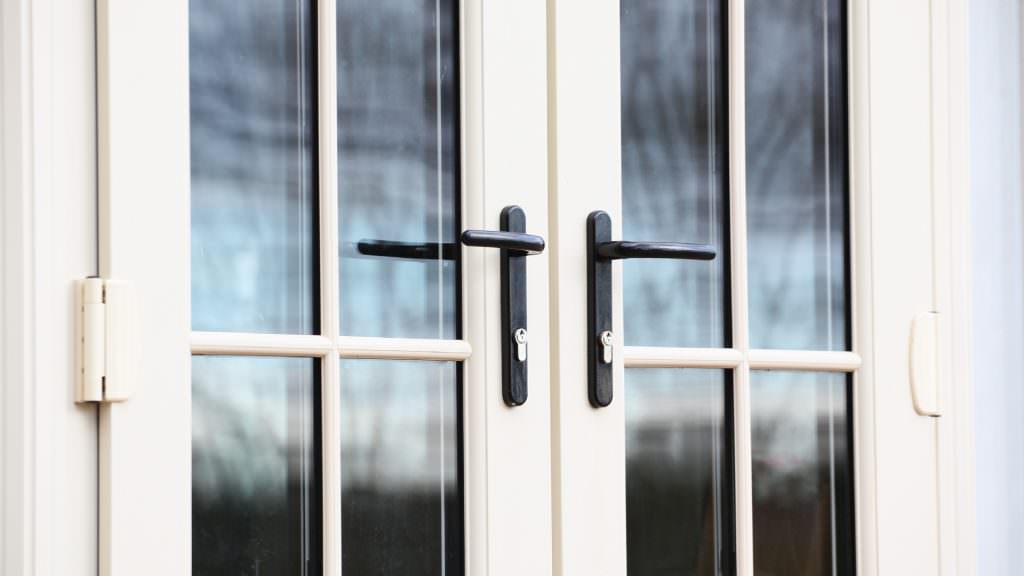
Replacing a uPVC door handle might seem like a simple task, but getting the measurements right is essential. A poorly fitted handle can affect both the security and functionality of your door. Whether your handle is damaged, worn out, or you just want to upgrade its appearance, understanding how to measure correctly will save you time, money, and frustration.
This guide walks you through everything you need to know to measure accurately for a replacement handle and ensure a perfect fit.
Why Accurate Measurement Matters
Before buying a replacement, it’s important to understand that not all handles are the same. Even small differences in size or alignment can make installation difficult or impossible. Correct measurements ensure:
Smooth operation of the locking mechanism
Proper alignment with the door lock
Secure and stable fitting
Improved safety and durability
Taking a few minutes to measure carefully can prevent costly mistakes.
Tools You Will Need
To measure your uPVC Door Handle properly, gather the following tools:
Tape measure or ruler
Screwdriver (to remove the existing handle if needed)
Pen and paper (or phone) to note measurements
Having these ready will make the process quicker and more accurate.
Key Measurements to Take
There are three main measurements you need when replacing a handle. These are standard across most doors, but accuracy is still crucial.
1. Screw Fixing Centres (Centres Distance)
This is the distance between the centers of the two screws that hold the handle in place.
How to measure:
Measure from the center of the top screw to the center of the bottom screw
Record the measurement in millimeters
Common sizes include 122mm, 215mm, and 240mm, but always measure your own door rather than guessing.
2. PZ Measurement (Keyhole to Spindle Distance)
The PZ measurement refers to the distance between the center of the keyhole and the center of the spindle (the square bar that connects the handles on both sides).
How to measure:
Locate the keyhole and spindle
Measure from the center of the keyhole to the center of the spindle
Typical sizes are 68mm, 70mm, 72mm, and 92mm. This is one of the most important measurements for compatibility.
3. Backplate Length and Width
The backplate is the long plate behind the handle lever.
How to measure:
Measure the full length of the plate from top to bottom
Measure the width across the plate
While these dimensions are less critical than screw centers and PZ, they help ensure the new handle covers any marks or holes left by the old one.
Measuring the Spindle
The spindle is the square metal bar that connects both sides of the handle through the door.
Steps:
- Remove the handle from the door
- Pull out the spindle
- Measure its length
If your new handle doesn’t include a spindle or includes one that’s too long, you may need to reuse or cut the existing one.
Identifying Handle Type
uPVC Door Handle are identical in function. Before purchasing, determine which type you have:
Lever/Lever: Handle on both sides
Lever/Pad: Lever on one side, fixed pad on the other
Offset Handles: Slightly different alignment between the two sides
Choosing the correct type ensures your door functions as intended.
Left-Handed vs Right-Handed Handles
Some handles are universal, but others are handed. This refers to the direction the handle points when installed.
How to check:
- Stand outside the door
- If the hinges are on the left, it’s a left-handed door
- If the hinges are on the right, it’s right-handed
Make sure your replacement matches or is reversible.
Checking Lock Compatibility
Your handle must align with the existing lock mechanism. Even if measurements seem correct, compatibility with the lock is essential.
Look for:
- Proper alignment of keyhole and spindle
- Smooth movement when turning the handle
- Secure locking without resistance
If your lock is damaged, consider replacing it along with the handle.
Common Mistakes to Avoid
When measuring for a replacement handle, avoid these frequent errors:
Guessing measurements: Always measure manually
Ignoring PZ size: This is critical for fit
Not checking screw centers: Even slight differences matter
Overlooking door thickness: Some handles are designed for specific thickness ranges
Buying based on appearance alone: Functionality comes first
Being careful at this stage will prevent installation issues later.
Tips for a Perfect Fit
Measure twice to ensure accuracy
Take a photo of your existing handle for reference
Keep old screws and spindle until replacement is complete
Choose durable materials for long-term use
These small steps can make the replacement process much smoother.
When to Replace Your Door Handle
You may need a replacement if you notice:
- Loose or wobbly handle
- Difficulty opening or closing the door
- Visible wear or corrosion
- Broken internal mechanism
Upgrading your upvc door handles can also improve the overall look of your door and enhance security.
Installation Overview
Once you have the correct measurements and replacement:
- Remove the old handle using a screwdriver
- Take out the spindle
- Align the new handle with the existing holes
- Insert the spindle and secure the handle with screws
- Test the handle and lock to ensure proper function
The process is usually straightforward and can be completed in minutes.
Final Thoughts
Measuring for a replacement handle doesn’t require professional skills, but it does require attention to detail. By focusing on screw fixing centres, PZ measurement, and overall dimensions, you can confidently choose a handle that fits perfectly and works smoothly.
Whether you’re fixing a broken mechanism or upgrading your door’s appearance, accurate measurement is the key to success. Taking the time to do it right ensures your new upvc door handles will provide both functionality and reliability for years to come.