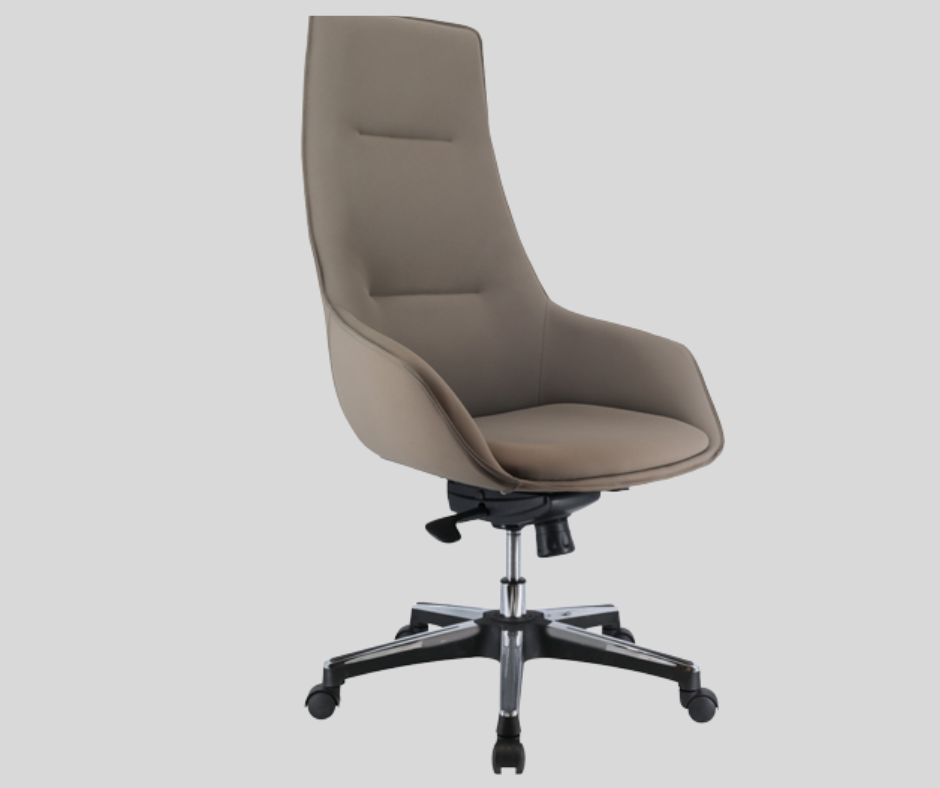
A well-designed office creates a positive impression on clients, supports employee productivity, and reflects a company’s professional identity. Every detail contributes to the overall atmosphere, from the colour of the walls to the arrangement of desks and lighting.
Office seating is particularly important because it combines comfort, functionality, and visual appeal. Choosing the right chair can make an ordinary workspace look more sophisticated and welcoming.
When selecting Executive Chairs in Dubai, businesses should consider their existing office design, furniture materials, colour schemes, and available space. The right seating should complement the interior while providing the support required for long working hours.
Whether you manage a corporate headquarters, a small business office, or a private executive suite, matching your chairs with the surrounding environment can help create a balanced and professional workspace.
Consider Your Office Interior Style
The first step in selecting suitable executive seating is understanding your office’s interior design. Different office styles require different furniture shapes, finishes, and materials.
For example, a modern office with glass partitions, clean lines, and minimalist decorations generally looks best with chairs featuring simple designs and streamlined silhouettes. Black, grey, and white seating can complement this environment without making the space appear crowded.
Traditional offices may benefit from executive chairs with leather upholstery, detailed stitching, and rich finishes. These designs pair well with wooden desks, classic bookcases, and warm lighting. Meanwhile, creative offices can incorporate contemporary chairs with distinctive shapes or subtle accent colours.
Maintaining a consistent design theme helps the furniture feel like a natural part of the room rather than an unrelated addition.
Choose Colours That Complement Your Workspace
Colour coordination is essential when matching executive seating with office interiors. The chair’s colour should work with the walls, flooring, desks, and decorative elements.
Neutral colours are versatile choices for professional environments. Black chairs create a formal appearance and work well with dark wooden desks, glass furniture, and monochromatic interiors. Grey seating offers a softer, contemporary look, while beige and cream options can make smaller offices feel brighter.
If your office already includes colourful furniture or branded decorations, consider choosing chairs in neutral shades to maintain visual balance. Alternatively, a Executive Chairs in Dubai in a complementary accent colour can introduce personality without overwhelming the design.
It is also useful to consider the amount of natural light in the office. Dark furniture can create an elegant contrast in bright rooms, while lighter upholstery may help smaller or darker spaces feel more open.
Match Chair Materials with Existing Furniture
Furniture materials influence the overall character of an office. Combining suitable textures can create a coordinated environment that looks carefully planned.
Leather and high-quality leather alternatives often suit executive offices because they offer a polished, professional appearance. These materials pair particularly well with wooden desks, metal accents, and sophisticated decorative features.
Fabric chairs can provide a softer visual effect and are available in a wide range of colours and textures. They may be appropriate for offices that prioritise a relaxed atmosphere or incorporate natural materials.
Mesh seating is often associated with contemporary workspaces. Its lightweight appearance can complement glass desks, metal frames, and minimalist furniture.
When comparing materials, consider maintenance requirements, durability, ventilation, and daily usage. Selecting upholstery that suits your office environment will help preserve both comfort and appearance over time.
Coordinate Chairs with Executive Desks
The executive desk is often the main focal point of a private office. Consequently, the chair should complement its proportions, finish, and overall design.
A large wooden executive desk can look attractive with a substantial upholstered chair that reinforces the room’s formal character. A modern desk with a slim metal frame may be better suited to a chair with a clean silhouette and adjustable features.
Proportion is just as important as appearance. An oversized chair behind a compact desk may make the workspace feel cramped, while a small chair beside a large desk can appear visually unbalanced.
Check the chair’s height, width, armrests, and movement clearance before purchasing. The chair should fit comfortably beneath the desk when not in use and allow sufficient space for sitting, standing, and moving around.
Prioritise Comfort and Ergonomics
Although appearance matters, executive seating must also support everyday working needs. A visually impressive chair may become unsuitable if it causes discomfort during extended meetings or desk work.
Look for adjustable seat height, appropriate lumbar support, comfortable cushioning, and armrests that support a natural sitting position. A reclining mechanism and adjustable backrest may provide additional flexibility, depending on the user’s preferences.
The chair should allow the user to keep their feet supported, shoulders relaxed, and elbows comfortably positioned while working. Different employees may require different adjustments, so testing a chair before buying can be beneficial.
Ergonomic features are especially valuable in executive offices where professionals spend significant time reviewing documents, attending virtual meetings, and working at computers. Comfort and design should complement each other rather than compete.
Select Furniture That Suits Your Office Size
The dimensions of your workspace should influence your seating decisions. A spacious executive suite can accommodate larger chairs with substantial armrests and high backs, provided there is enough room to move freely.
Smaller offices benefit from compact designs that provide essential support without dominating the room. Chairs with appropriate proportions can help maintain an organised appearance while preserving usable floor space.
Before purchasing, measure the available area around the desk and consider doorways, walkways, storage units, and meeting areas. Remember to account for the chair’s movement when occupied and when pulled away from the desk.
Careful planning helps create an office that feels comfortable, accessible, and visually balanced.
Consider Lighting and Decorative Details
Lighting and accessories can significantly affect how office furniture appears. Natural daylight may highlight upholstery textures, while warm lighting can enhance wooden finishes and create a welcoming atmosphere.
Metal desk accessories, lamps, shelving, and cabinet handles can also help connect different furniture elements. For example, a chair with chrome details may complement a desk with matching metal accents.
However, avoid introducing too many competing finishes or decorative features. A coordinated office generally looks more professional when a few consistent materials and colours are repeated throughout the space.
Plants, artwork, and carefully selected accessories can add personality while allowing the executive chair and desk to remain central features.
Balance Quality, Durability, and Budget
Office furniture should represent a practical long-term investment. When comparing chairs, consider construction quality, upholstery durability, adjustment mechanisms, warranty coverage, and ease of maintenance.
Businesses should assess the intended frequency of use before deciding how much to invest. A chair used daily for extended periods may justify a greater investment in ergonomic support and durable construction than seating intended for occasional meetings.
Request product specifications and compare dimensions before making a final decision. It is also helpful to review available colour options and check whether the chair’s materials match the existing office furniture.
Choosing a well-made chair that suits the workspace can reduce the need for frequent replacements and help maintain a consistent professional appearance.
Why Choose Furnicraft for Office Furniture?
Furnicraft is a brand to consider when planning a coordinated office interior in Dubai. Businesses furnishing executive suites, management offices, and corporate workspaces can explore furniture options that align with their preferred design style, space requirements, and professional image.
When evaluating available products, consider how each chair complements your existing desks, storage units, and decorative finishes. Comparing materials, dimensions, comfort features, and overall construction can help you make a more informed purchasing decision.
A consistent furniture selection can contribute to a polished workspace that reflects your company’s identity while supporting everyday business activities.
Conclusion
Matching executive seating with your office design requires a thoughtful balance of style, comfort, proportions, and functionality. From choosing complementary colours and materials to coordinating chairs with desks and lighting, every decision contributes to the overall workplace atmosphere.
When exploring Executive Chairs In Dubai, focus on options that reflect your interior design while providing the ergonomic features and durability needed for daily use. Consider your office size, existing furniture, maintenance requirements, and budget before making a purchase.
With careful planning, you can create a sophisticated, comfortable, and well-organised workspace that leaves a positive impression on clients and supports productive working days.