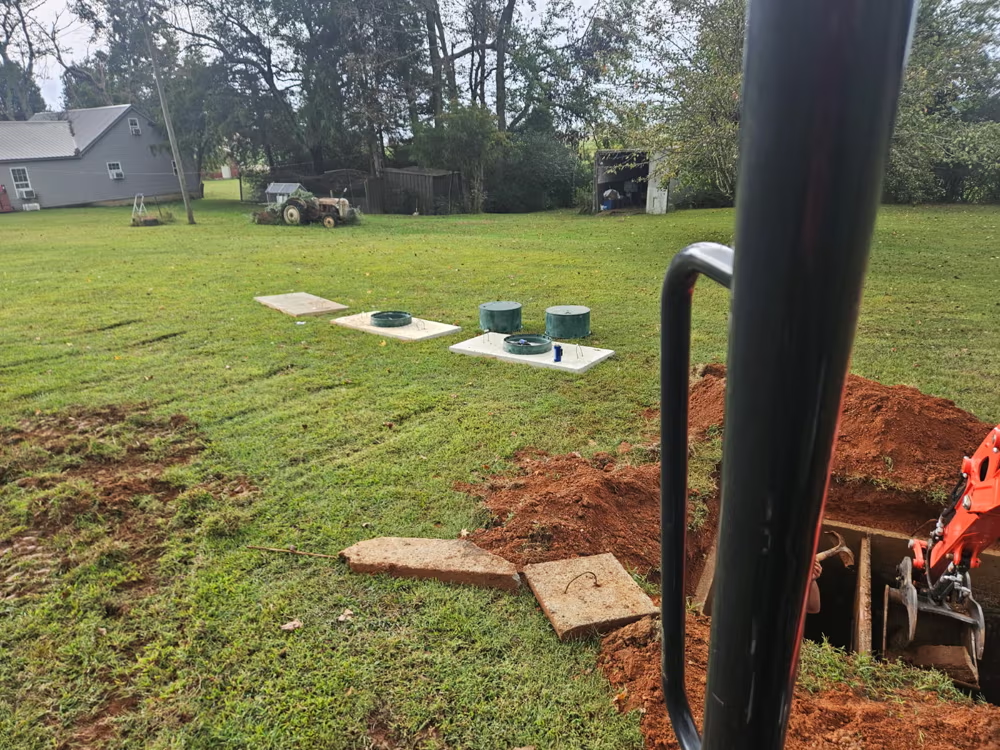
So, you bought a house with a septic system, or maybe you’ve lived there forever and just never needed to know where the tank was buried. Then the drains start gurgling. Suddenly, finding that tank becomes your top priority. You need a professional septic tank service to come out, but even they need a head start. Hunting for a buried tank is like playing a weird, high-stakes game of hide-and-seek. Except the loser gets a flooded yard. Don’t worry. You don’t need a map or a metal detector to get started. Most of the time, you can find it yourself if you just look for the right clues.
The Paperwork Trick
Before you go digging up your lawn, go to your county health department. They usually have records of septic systems on file. It sounds boring, but these permits often show the exact location of the tank.
Look for a site plan or an “as-built” drawing. This is a gold mine. It shows where the house sits in relation to the tank.
- Check the building permit office records.
- Look for a rough sketch of your plumbing layout.
- Ask the previous owners if they left any paperwork behind.
- Check your closing documents from when you bought the home.
Look at Your Grass
Your lawn is a giant storyteller. Seriously. A septic tank is basically a giant concrete box under your feet. It changes the way water moves and how plants grow.
Sometimes, the grass over the tank looks different. It might be greener and thicker because the soil holds moisture better. Or, it might be brown and sparse because the soil is too shallow.
- Look for a patch of grass that stays greener during a dry spell.
- Watch for a spot where the grass grows way faster than the rest.
- Check for a slightly sunken or raised area in the yard.
- Look for any unusual depression in the ground near the house.
Follow the Pipes
Your plumbing has to leave the house somehow. Go to your basement or crawl space. Look for a large pipe, usually 4 inches wide, exiting through the foundation wall.
That pipe is the starting line. Once you find where it leaves the house, go outside and stand right there. The tank is almost always in a straight line from that pipe.
- Find the main cleanout pipe in your basement.
- Follow the direction the pipe points as it goes through the wall.
- Walk in a straight line away from the house toward your yard.
- Mark the spot with a flag or a stick.
Use the “Probe” Method
You don’t want to dig a massive hole just to guess. Instead, use a long, thin metal rod. A piece of rebar works perfectly for this.
Stick it into the ground gently. You are looking for a solid thud sound. That’s the concrete lid of your tank. If you hit rocks, keep moving.
- Use a long, thin steel rod as a probe.
- Walk the area you suspect is above the tank.
- Push the rod into the ground every few inches.
- Listen for a dull, hard sound rather than hitting soft dirt.
When to Call the Pros
Sometimes, the tank is just too deep. Or maybe it’s buried under a new patio or a massive bush. If you’ve spent a few hours poking the ground and found nothing, stop. It’s easy to damage your pipes if you aren’t careful. If you’re struggling, it is better to reach out to a local expert like Cora Environmental to locate it for you. They have special tools like electronic locators.
How Deep is it Really?
Most tanks aren’t buried super deep. They are usually anywhere from a few inches to a couple of feet below the surface. If you go down three feet and hit nothing, you might be in the wrong spot.
- Start shallow and work your way down slowly.
- Don’t dig giant craters all over the property.
- Be mindful of utility lines before you start digging deep.
- If you find a pipe, don’t disturb it; just follow it.
Keep it Marked
Once you find the lid, don’t bury it completely again. You’ll thank yourself later when the next service is needed. Put a large rock, a decorative birdbath, or a GPS marker over the spot. You want to make it easy for yourself or anyone else to find it in the future. Nobody wants to hunt for a tank in the middle of a thunderstorm.
Final Thoughts
Finding a hidden tank takes a little patience and a lot of detective work. But you can usually get it done without calling in heavy equipment. Just remember to work safely. If you do get stuck, never hesitate to contact a septic tank service to handle the heavy lifting for you.
FAQs
How deep is a standard septic tank buried?
Most septic tanks are buried between 6 inches and 3 feet below the surface. The exact depth depends on the slope of your yard and the depth of the sewer pipe leaving your house. Very deep tanks are usually rare and often harder to maintain.
Can I use a metal detector to find my tank?
Yes, but it is not always foolproof. Most modern tanks are concrete, so they don’t show up on metal detectors. However, you might find the metal rebar inside the concrete lid or the metal pipes leading to the tank. It is a helpful tool for some.
Is it safe to dig for my own septic tank?
It is generally safe if you use a hand probe and stay away from known utility lines. Avoid using heavy machinery like an excavator until you are 100% sure where the tank and drain field pipes are located to prevent expensive damage.
What should I do if I find the tank lid?
Once you locate the lid, you should clear the dirt away to expose it. If you need it pumped or inspected, leave it clear for the technician. If you are just finding it for your records, mark the spot clearly on your property map.
How often does my septic system need to be serviced?
For most residential homes, you should have your tank pumped and inspected every 3 to 5 years. This prevents sludge buildup from entering your drain field, which can lead to major, costly repairs. Regular maintenance is the best way to extend the system’s life.