Hypertension Dubai
Hypertension, commonly known as high blood pressure, is one of the most widespread chronic health conditions affecting adults globally. In fast-paced urban environments like Dubai, lifestyle habits, stress levels, and dietary patterns can significantly influence blood pressure levels. The good news is that hypertension is highly manageable—and in many cases preventable—through consistent lifestyle changes.
In this blog, we explore practical, science-backed strategies to help manage blood pressure effectively, with insights inspired by clinical guidance often shared by specialists such as Dr. Barbara.
Understanding Hypertension and Why It Matters
Hypertension occurs when the force of blood against the artery walls remains consistently too high. Over time, this pressure can damage blood vessels and increase the risk of serious health complications, including heart disease, stroke, kidney problems, and vision loss.
What makes hypertension particularly concerning is that it often develops silently. Many people do not experience symptoms until the condition becomes severe. This is why it is often called the “silent killer.”
In urban lifestyles like those in Dubai—where long working hours, sedentary routines, and high stress are common—awareness and prevention become even more important.
Lifestyle Changes to Control Blood Pressure
Managing blood pressure does not always require immediate medication. For many individuals, lifestyle adjustments can significantly improve heart health and overall well-being.
1. Adopt a Heart-Healthy Diet
One of the most powerful ways to control hypertension is through diet. Food plays a direct role in blood pressure regulation.
Focus on:
- Fresh fruits and vegetables
- Whole grains such as oats, brown rice, and whole wheat
- Lean proteins like fish, chicken, and legumes
- Healthy fats from nuts, seeds, and olive oil
Reduce:
- Excess salt (sodium is a major contributor to high blood pressure)
- Processed foods and fast food
- Sugary beverages
- Saturated and trans fats
The DASH (Dietary Approaches to Stop Hypertension) diet is often recommended by healthcare professionals for its proven effectiveness in lowering blood pressure naturally.
2. Stay Physically Active
Regular physical activity strengthens the heart, allowing it to pump blood more efficiently with less pressure on the arteries.
Aim for:
- At least 150 minutes of moderate exercise per week
- Activities such as brisk walking, cycling, swimming, or dancing
- Light strength training twice a week
Even small changes, like taking the stairs instead of the elevator or walking after meals, can make a meaningful difference over time.
3. Maintain a Healthy Weight
Excess body weight puts additional strain on the heart and blood vessels. Losing even a small percentage of body weight can significantly reduce blood pressure levels.
A balanced combination of healthy eating and regular exercise is the most sustainable approach to weight management.
Healthcare experts like Dr. Barbara often emphasize that gradual and consistent weight loss is more effective than extreme dieting.
4. Reduce Stress Levels
Chronic stress is a major contributor to high blood pressure. In busy cities like Dubai, stress can come from work pressure, commuting, or lifestyle demands.
Effective stress management techniques include:
- Deep breathing exercises
- Meditation and mindfulness
- Yoga or stretching routines
- Spending time outdoors
- Engaging in hobbies or social activities
Taking short mental breaks during the day can also help regulate stress hormones and support heart health.
5. Limit Salt and Sodium Intake
Salt plays a crucial role in blood pressure regulation. High sodium intake causes the body to retain water, increasing blood pressure.
Practical tips:
- Avoid adding extra salt to meals
- Check food labels for sodium content
- Limit processed and packaged foods
- Use herbs and spices for flavor instead of salt
Even small reductions in sodium intake can lead to noticeable improvements in blood pressure levels over time.
6. Quit Smoking and Limit Alcohol
Smoking damages blood vessels and reduces oxygen supply in the body, making the heart work harder. Alcohol, when consumed excessively, can also raise blood pressure.
Quitting smoking and limiting alcohol intake are two of the most impactful steps for improving cardiovascular health.
Benefits include:
- Improved circulation
- Lower risk of heart disease
- Better oxygen flow throughout the body
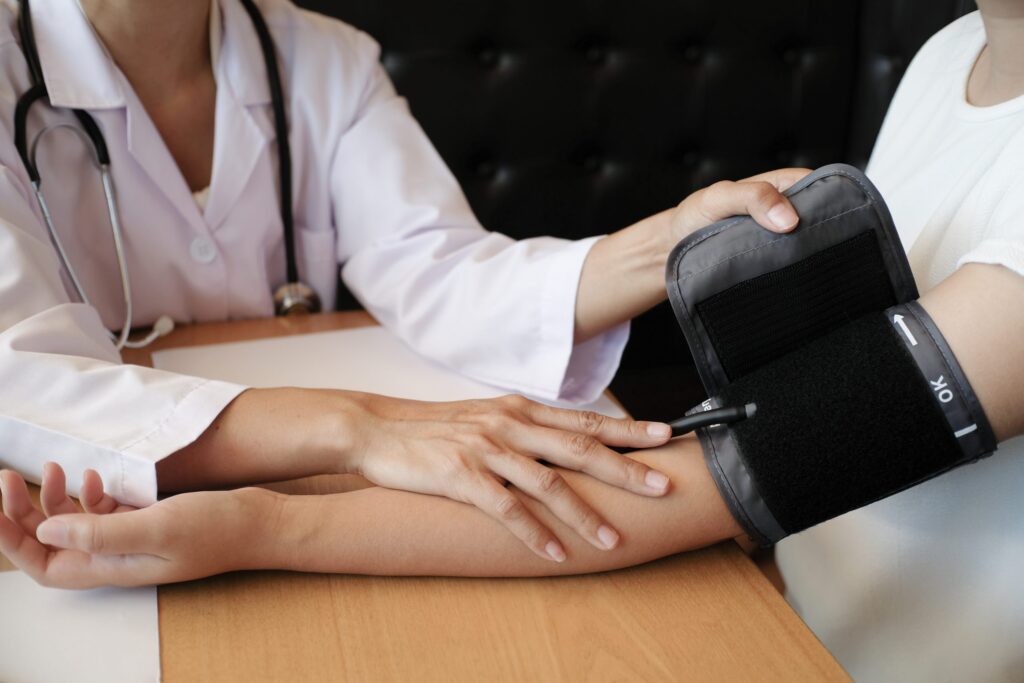
7. Monitor Blood Pressure Regularly
Regular monitoring helps track progress and detect changes early. Many people only discover hypertension during routine check-ups.
You can:
- Use home blood pressure monitors
- Visit clinics for regular check-ups
- Keep a record of readings for better tracking
Consistency in monitoring helps both patients and healthcare providers adjust lifestyle or treatment plans effectively.
Hypertension in Urban Lifestyle: The Dubai Factor
Modern urban life in cities like Dubai often includes fast food consumption, high work pressure, limited physical activity, and irregular sleep patterns. These factors collectively increase the risk of hypertension.
This is why awareness of Hypertension dubai, has become increasingly important. Early intervention and lifestyle adjustments can help individuals maintain long-term heart health despite a demanding environment.
The Role of Medical Guidance
While lifestyle changes are powerful, professional medical advice remains essential, especially for individuals with persistent high blood pressure.
Healthcare professionals such as Dr. Barbara, often focus on a holistic approach that combines:
- Lifestyle modification
- Regular monitoring
- Medication (if required)
- Patient education
A personalized treatment plan ensures that each individual receives care suited to their unique health condition and lifestyle.
Building Long-Term Healthy Habits
The key to controlling hypertension is consistency. Short-term changes may show temporary improvements, but long-term health depends on sustainable habits.
Here are some tips to stay consistent:
- Set realistic health goals
- Track progress weekly
- Involve family members for support
- Make gradual dietary changes instead of drastic restrictions
- Celebrate small milestones
Sustainability is more important than perfection when it comes to managing blood pressure.
Conclusion
Hypertension is a manageable condition, but it requires awareness, discipline, and long-term commitment. By adopting a healthier lifestyle, individuals can significantly reduce their risk of complications and improve overall well-being.
In cities like Dubai, where modern lifestyles can often contribute to increased health risks, taking proactive steps becomes even more essential. With proper guidance from healthcare professionals such as Dr. Barbara, and consistent lifestyle modifications, controlling blood pressure is entirely achievable.
Ultimately, the journey toward better heart health begins with small but consistent choices—better food, regular movement, reduced stress, and ongoing monitoring.
FAQs
1. Can hypertension be controlled without medication?
Yes, in many mild cases, lifestyle changes such as diet improvement, exercise, and stress management can help control blood pressure. However, some individuals may still require medication depending on their condition.
2. How important is diet in managing hypertension?
Diet plays a very important role. Reducing salt intake and eating a balanced, nutrient-rich diet can significantly lower blood pressure levels over time.
3. How often should I check my blood pressure?
If you have hypertension or are at risk, it is recommended to check your blood pressure at least once a week or as advised by your doctor.
4. Is stress really linked to high blood pressure?
Yes, chronic stress can contribute to temporary and long-term increases in blood pressure. Managing stress is an essential part of hypertension control.
5. Can exercise lower blood pressure quickly?
Regular exercise can start improving blood pressure within a few weeks, but long-term consistency is key for sustained benefits.
6. When should I see a doctor?
If you consistently record high blood pressure readings or experience symptoms like headaches, dizziness, or chest discomfort, consult a healthcare professional immediately.