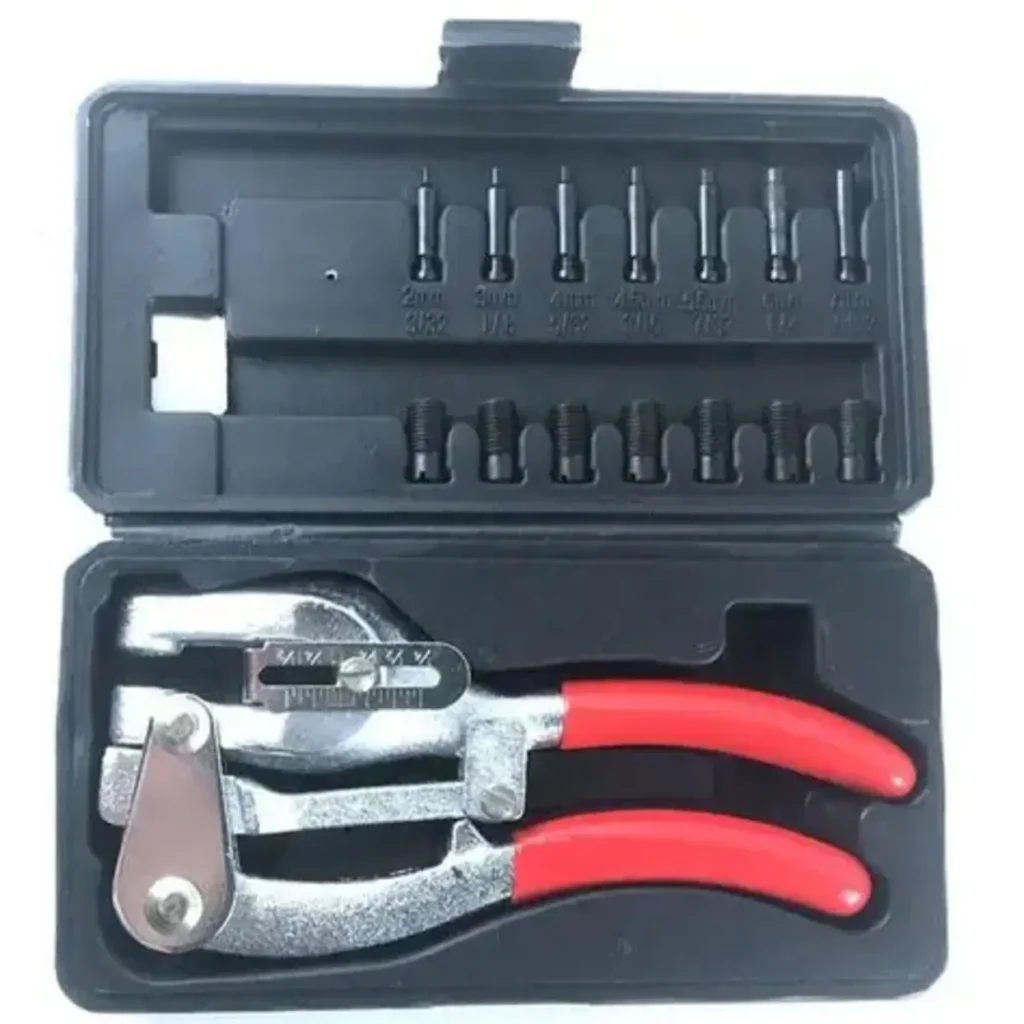
Working with thick metal sheets, stainless steel, and demanding fabrication projects requires tools that deliver strength, accuracy, and long-lasting performance. A heavy duty metal hole punch is one of the most valuable tools for professionals in construction, automotive repair, electrical installation, and metal fabrication. Choosing the right model can improve efficiency, reduce material waste, and ensure clean, precise holes every time.
This guide tokohasil.com explains the key factors to consider when selecting the best heavy duty metal hole punch for tough jobs and highlights the features that matter most for professional users.
Understanding Heavy Duty Metal Hole Punches
A heavy duty metal hole punch is designed to create smooth and accurate holes in various types of metal without excessive distortion. Unlike drilling, which removes material through cutting, punching uses force to shear through the metal, producing cleaner edges and faster results.
These tools are commonly used on:
- Mild steel
- Stainless steel
- Aluminum
- Copper
- Brass
- Sheet metal panels
Professionals rely on metal hole punches for electrical boxes, conduit installations, HVAC systems, automotive components, and industrial fabrication.
Why Use a Heavy Duty Metal Hole Punch?
Heavy duty models offer several advantages over conventional drilling methods.
Faster Operation
Punching creates holes quickly, reducing labor time and improving productivity on large projects.
Cleaner Results
Properly designed punches leave smooth edges that often require little or no deburring.
Improved Accuracy
Hole punches maintain precise dimensions, making them ideal for installations requiring exact alignment.
Reduced Material Distortion
Compared with drilling, punching minimizes warping and deformation, especially on thin metal sheets.
Longer Tool Life
Professional-grade tools are built to withstand repeated use in demanding environments.
Consider the Type of Metal
One of the first factors to evaluate is the material you will be working with.
Mild Steel
Most heavy duty punches easily handle mild steel and galvanized sheets.
Stainless Steel
Stainless steel is harder and requires stronger punch sets made from hardened tool steel or specialized alloys.
Aluminum and Copper
These softer materials require less force, but precision remains important to achieve clean holes.
Understanding your material thickness and hardness will help you choose a punch with sufficient capacity.
Determine the Required Hole Sizes
Projects often require different hole diameters. Before purchasing a metal hole punch, identify the sizes commonly used in your work.
Typical applications include:
- Electrical conduit holes
- Cable pass-through openings
- Fastener holes
- HVAC duct connections
- Instrument panel openings
Some punch kits include multiple dies and punches, allowing users to create a variety of hole sizes with a single set.
Choose Between Manual, Hydraulic, and Battery-Powered Models
Different power options offer varying levels of convenience and performance.
Manual Hole Punches
Manual punches are suitable for light to moderate applications. They are portable and economical, making them useful for maintenance and occasional use.
Advantages:
- Affordable
- Easy to transport
- Simple operation
Hydraulic Hole Punches
Hydraulic models generate substantial force and are widely used by electricians and metal fabricators.
Benefits include:
- High punching power
- Ability to handle thicker metals
- Reduced operator fatigue
- Excellent precision
Battery-Powered Punches
Cordless models combine portability with speed. These tools are ideal for professionals who frequently work in the field.
Advantages include:
- Fast operation
- Increased productivity
- No need for external power sources
- Convenient for jobsite use
Evaluate Material Thickness Capacity
Not every hole punch is designed for the same workload. Some tools are intended for thin sheet metal, while others can penetrate heavy-gauge steel.
Always verify:
- Maximum steel thickness
- Stainless steel capacity
- Recommended material types
- Manufacturer specifications
Selecting a punch with insufficient capacity can damage both the tool and the workpiece.
Look for High-Quality Construction
Durability is essential when tackling demanding projects.
Professional-grade metal hole punches often feature:
- Hardened steel components
- Heat-treated cutting edges
- Corrosion-resistant finishes
- Heavy duty draw studs
- Reinforced dies
Premium materials improve cutting performance and extend service life, making them a worthwhile investment for long-term use.
Prioritize Ease of Use
A tool that is difficult to operate can slow down productivity and increase fatigue.
Useful features include:
Quick-Change Dies
These systems allow users to switch hole sizes rapidly without wasting time.
Alignment Marks
Clear markings help position the punch accurately and minimize mistakes.
Compact Design
Portable tools are easier to use in confined spaces and overhead applications.
Ergonomic Handles
Comfortable grips reduce strain during extended use.
Consider Safety Features
Safety should always be a priority when working with metal fabrication tools.
Look for:
- Non-slip handles
- Stable hydraulic systems
- Durable carrying cases
- Protective coatings
- Reliable locking mechanisms
Following proper operating procedures and wearing personal protective equipment can further enhance workplace safety.
Compare Brand Reputation
Established manufacturers often provide better quality control, customer support, and replacement parts availability.
When evaluating brands, consider:
- Product reviews
- Warranty coverage
- Availability of accessories
- Industry reputation
- Technical support
Investing in a reputable manufacturer may cost more initially but often delivers greater reliability and lower long-term expenses.
Think About Future Needs
Choosing a versatile tool can save money over time. If your work involves multiple applications, a complete punch kit with interchangeable components may be the best option.
A comprehensive set can support:
- Electrical installations
- HVAC fabrication
- Automotive repair
- Industrial maintenance
- Construction projects
Expandable systems also allow users to add new sizes and accessories as project requirements evolve.
Maintenance Tips for Longer Tool Life
Proper maintenance helps ensure consistent performance and extends the lifespan of your equipment.
Recommended practices include:
- Cleaning punches after each use.
- Lubricating moving parts regularly.
- Inspecting cutting edges for wear.
- Storing tools in protective cases.
- Replacing damaged components promptly.
Routine care helps maintain accuracy and prevents unexpected downtime.
Final Thoughts
Choosing the best heavy duty metal hole punch for tough jobs involves more than simply selecting the most powerful tool available. Material compatibility, hole size requirements, thickness capacity, durability, and ease of use all play important roles in finding the right solution.
Whether you are an electrician, HVAC technician, metal fabricator, or construction professional, investing in a high-quality heavy duty metal hole punch can improve productivity, deliver cleaner results, and provide dependable performance for years to come. By understanding your specific applications and prioritizing professional-grade features, you can select a tool that is ready to handle even the most demanding metalworking tasks.