
Start With What Your Knees Are Actually Telling You
Look, after 15 years in the knee therapy space, I can tell you this—most people shop for relief backwards. They pick something that looks good online, sounds fancy, maybe has a few glowing reviews, and only later realize it doesn’t match what their knees actually need. If you’re hunting for the best knee massager for knee pain, the first step isn’t comparing features—it’s understanding your pain pattern.
And yeah, that sounds obvious.
But it’s where most decisions go sideways.
Not All Knee Pain Feels The Same—And That Matters
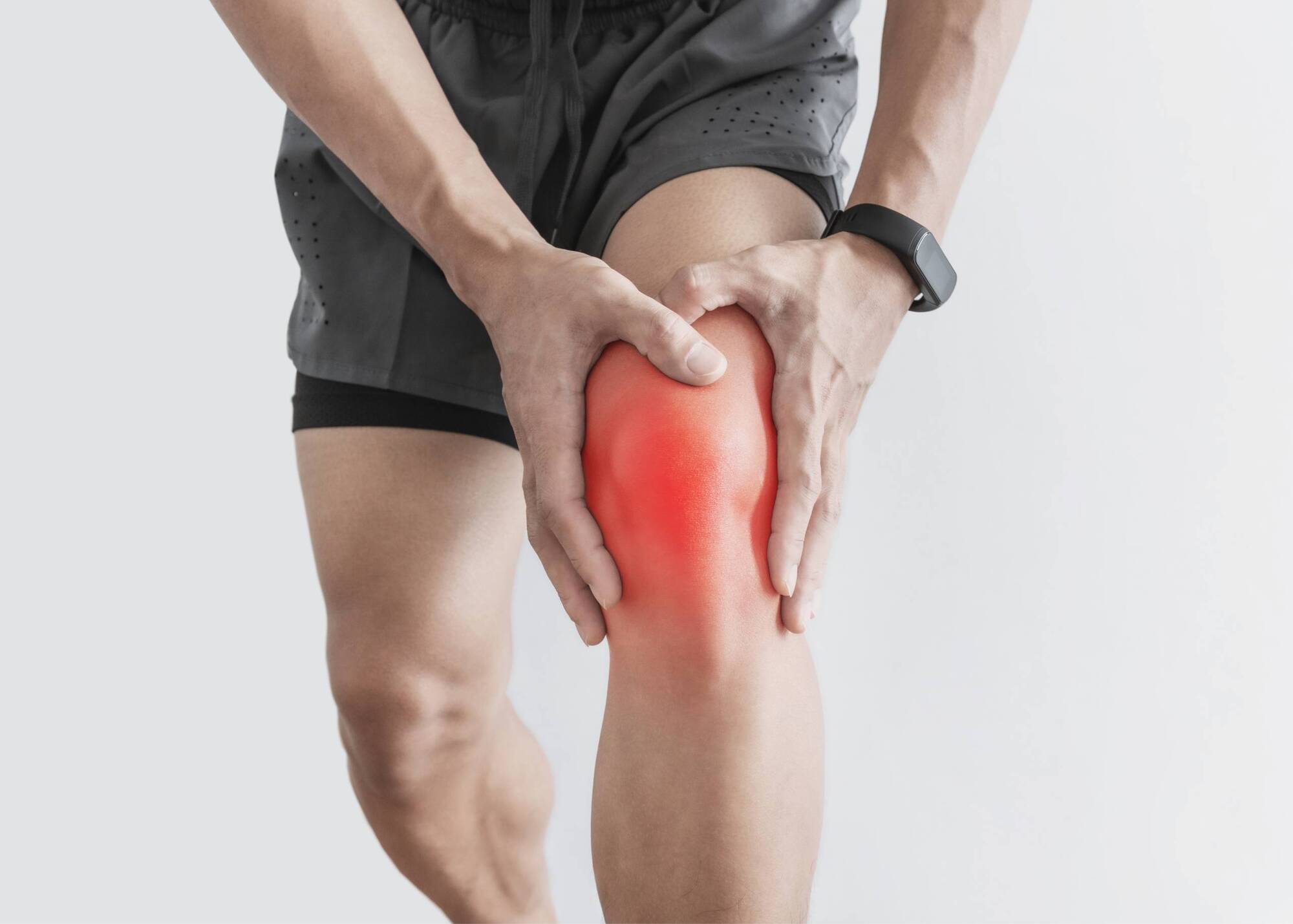
You’ve got sharp pain, dull ache, stiffness, swelling—sometimes all of it layered together in a way that makes it hard to explain even to yourself. A device that works for post-workout soreness won’t do much for chronic joint stiffness, and something designed for inflammation might feel useless if your issue is poor circulation.
Here’s the thing—your knee doesn’t care what the product promises.
It responds to what it actually gets.
Heat Isn’t Optional For Most People
I’ve seen people underestimate heat therapy for years, and then act surprised when it’s the only thing that gives consistent relief. Heat helps loosen tissue, improve blood flow, and calm that tight, locked-up feeling that shows up after sitting too long or waking up stiff.
But not all heat is equal.
Some machines barely get warm enough to matter.
Compression Changes The Game More Than You Think
Compression is where things start getting interesting. When done right, it mimics that hands-on pressure you’d get from a therapist—rhythmic, controlled, targeted. It pushes fluid out, reduces swelling, and gives your joint a kind of reset it doesn’t get on its own.
And that’s a bigger deal than most people realize.
Because swelling is what keeps the cycle going.
Vibration—Useful, But Not A Magic Fix
Now vibration—people either swear by it or don’t feel much at all. Truth sits somewhere in the middle. It can help stimulate muscles around the knee and improve circulation, but if the core issue is structural or inflammatory, vibration alone won’t carry the load.
It’s a support feature.
Not the foundation.
Fit And Support Make Or Break The Experience
You can have the most advanced device in the world, but if it doesn’t sit right on your knee—if it shifts, feels loose, or misses key areas—it’s not doing its job. I’ve seen people give up on good machines just because the fit was off.
And once that frustration sets in, they stop using it.
That’s the difference between progress and starting over.
Ease Of Use Isn’t A Bonus—It’s Everything
Here’s a scenario I’ve watched play out too many times: someone buys a solid device, good features, decent build—but it’s complicated. Too many buttons, unclear settings, awkward setup. So they use it twice, maybe three times, and then it sits in a corner collecting dust.
Consistency disappears.
And so does the benefit.

When A Machine For Knee Pain Relief Actually Makes Sense
At some point, you stop experimenting and start looking for something that works day in, day out without guesswork. That’s where a machine for knee pain relief earns its place. It’s not about bells and whistles—it’s about delivering the same reliable support every time you use it, whether it’s been a good day or a bad one.
And bad days happen.
Battery Life And Portability—More Important Than You Think
You’d be surprised how often people overlook this. A device that’s tied to a wall outlet limits where and when you use it. If you travel, or even just move around the house a lot, that becomes friction—and friction kills routines.
So portability isn’t just convenience.
It’s commitment.
Don’t Chase Features—Chase Results
Here’s a question you’re probably already thinking: do you really need all those modes and settings? Short answer—no. What you need is something that addresses your specific pain, consistently, without making you think too hard about it every time.
Simple wins.
Complicated gets abandoned.
Timing Your Sessions Matters More Than People Admit
Using a knee massager randomly won’t give you the same results as building it into your day. After activity, before bed, first thing in the morning—these windows matter because your knee is in a different state each time.
And no, that’s not something you want to figure out after weeks of inconsistent use.
Because by then, frustration’s already set in.
When You Finally Get The Right One, You’ll Know
There’s a moment—and I’ve seen it enough times to trust it—where people realize their knee isn’t constantly on their mind anymore. It’s not gone, not completely, but it’s manageable in a way that feels stable.
That’s when you know you chose right.
FAQ
How do I know which knee massager is right for me?
Start with your symptoms. Stiffness, swelling, or pain type will guide whether you need heat, compression, or a mix.
Can I use a knee massager every day?
Most devices are designed for daily use, but it depends on your condition and intensity settings.
Are expensive models always better?
Not necessarily. Fit, comfort, and consistency matter more than extra features you won’t use.
How long before I feel relief?
Some feel improvement quickly, others need regular use over a few weeks. Staying consistent makes the difference.