Office lighting needs to support different types of work. An open workspace may need broad and even light, while a private room may need softer lighting with better control. That is why choosing the right commercial lighting requires more than simply picking the brightest fixture. Good office lighting should also consider room size, ceiling type, daily tasks, glare, energy use, and employee comfort.
Start With the Office Layout
The first step is to look at how the office is arranged. Open workspaces usually have desks spread across a large area. Employees may work on computers, talk with coworkers, attend calls, or take notes on paper. Because of this, the lighting should cover the entire space without creating strong shadows or glare.
Private rooms are different. A small office, meeting room, or phone room may not need the same level of light as a large open area. Therefore, businesses should consider how each space is used before choosing fixtures.
Map out where people work and what they do in each area. This simple step can make it easier to create a balanced lighting plan.
Choose Broad Lighting for Open Workspaces
Open offices usually benefit from fixtures that spread light across a wide area. LED panels, linear fixtures, and other large commercial fixtures can work well in these spaces. The goal is to create even lighting from one side of the room to the other. Bright spots next to dark areas can make the workspace feel uncomfortable. Good office lighting should also work well with computer screens. Too much glare can make screens harder to read and may cause eye discomfort during long workdays.
A well-planned fixture layout can help provide consistent light without making the room feel overly bright.
Consider Recessed or Surface-Mounted Fixtures for Private Rooms
Private offices and smaller rooms offer more flexibility. Recessed fixtures can provide a clean appearance because they sit inside the ceiling. They can also be positioned to provide useful light over desks, tables, or meeting areas.
Surface-mounted fixtures are another option, especially where there is not enough ceiling space for recessed installation. They can be installed directly against the ceiling without requiring a deep opening.
For small rooms, fewer well-placed fixtures may be enough. There is no need to fill the entire space with excessive brightness when the room has limited floor area.
Think About Color Temperature
Color temperature can change the feel of an office. Cooler white light can create a bright and active atmosphere. This may work well in open work areas where employees need clear visibility for computer work and other tasks.
Warmer light can create a softer and more relaxed feel. It may be suitable for private offices, waiting areas, break rooms, or meeting spaces where a less intense atmosphere is preferred.
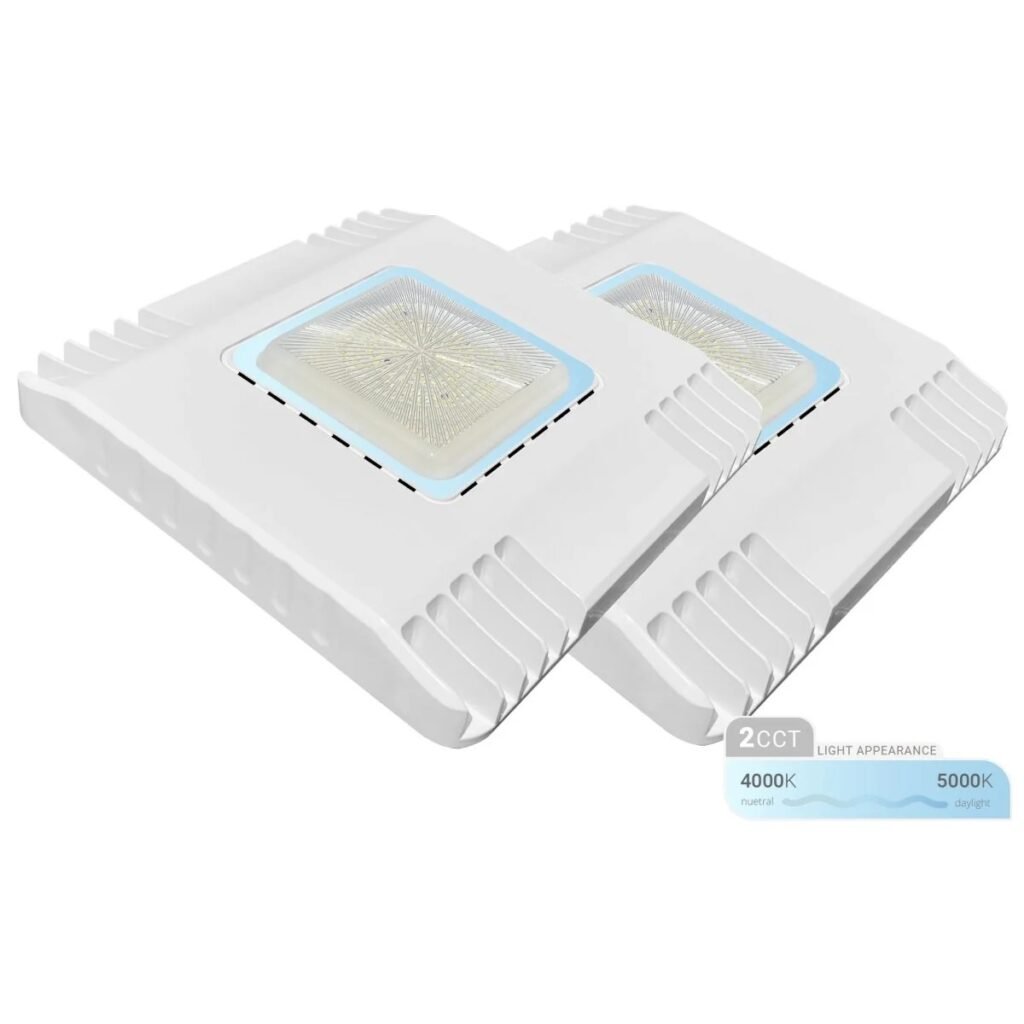
Many commercial LED light fixtures are available in different color temperatures. This gives businesses more flexibility when creating office lighting for different rooms.
Pay Attention to Glare
Glare is one of the biggest problems to watch for in an office. A light that looks bright from the floor may create uncomfortable reflections on computer screens. This can make it harder for employees to work comfortably.
Good office lighting should provide enough brightness without sending a strong beam directly toward desks or monitors. Fixtures that spread light evenly can help reduce harsh reflections.
Placement also matters. In open offices, fixtures should be positioned carefully in relation to desks, monitors, windows, and other reflective surfaces. A little planning during installation can prevent many lighting problems later.
Use Dimming Where It Makes Sense
Not every office needs the same amount of light throughout the day. Dimming controls allow employees or facility managers to adjust brightness based on the time of day, room use, or specific task.
For example, a conference room may need brighter lighting during presentations but softer light during discussions or video calls. Private offices may also benefit from adjustable brightness based on individual preferences.
Dimming can also help control energy use. Instead of running every fixture at full power all day, businesses can adjust lighting to match actual needs.
Make Use of Natural Daylight
Windows can provide plenty of natural light during the day. However, sunlight changes throughout the day and may not reach every part of an office.
LED fixtures can fill in these gaps when daylight is not enough rather than replace natural light entirely. In some offices, lighting controls can also adjust artificial light based on the amount of daylight entering the room.
This approach can create a more balanced environment while helping businesses manage energy use. It can also prevent areas farther from windows from becoming noticeably darker than the rest of the workspace.
Look for Energy Efficiency
Office lighting often operates for many hours each day. Therefore, energy efficiency should be an important part of the decision.
Modern commercial lighting options use LED technology to provide strong illumination while generally using less energy than older lighting systems. LED fixtures also tend to have long service lives, which can reduce the need for frequent replacements.
Fewer replacements can mean less maintenance and fewer interruptions for employees. Over time, these benefits can make a noticeable difference for businesses managing large offices or multiple workspaces.
Match Fixtures to the Ceiling
The ceiling itself can affect which fixture works best. Suspended ceilings may be well suited to LED panels because the fixtures can fit into standard ceiling grid layouts.
Recessed fixtures can work well with suitable drywall ceilings, while surface-mounted fixtures are useful where there is limited space above the ceiling. Each option has different installation requirements.
Checking the ceiling type before buying fixtures can help prevent installation problems and ensure that the selected lighting works with the existing office structure.
Think About Each Room’s Purpose
The best office lighting choice depends on what happens in each room.
An open workspace may need broad, even illumination. A private office may benefit from adjustable lighting. A conference room may need several lighting settings for meetings, presentations, and video calls.
Break rooms and lounges can use softer lighting to create a more relaxed atmosphere. Reception areas may need welcoming, balanced light that makes the space feel comfortable for visitors.
There is no need to use the same fixture everywhere. Mixing fixture types can create a more practical lighting plan while giving each part of the office the light it actually needs.
Building a More Comfortable Office
Choosing office lighting is not a one-size-fits-all job. Open workspaces and private rooms have different needs, so each area should be planned carefully.
The right commercial LED light fixtures can provide better visibility, reduce glare, save energy, and create a more comfortable workplace. By considering layout, ceiling type, color temperature, controls, and room use, businesses can create office lighting that supports employees and daily tasks.
A smart lighting plan does more than brighten an office. It helps create a workspace where people can see clearly, stay comfortable, and get their work done efficiently.