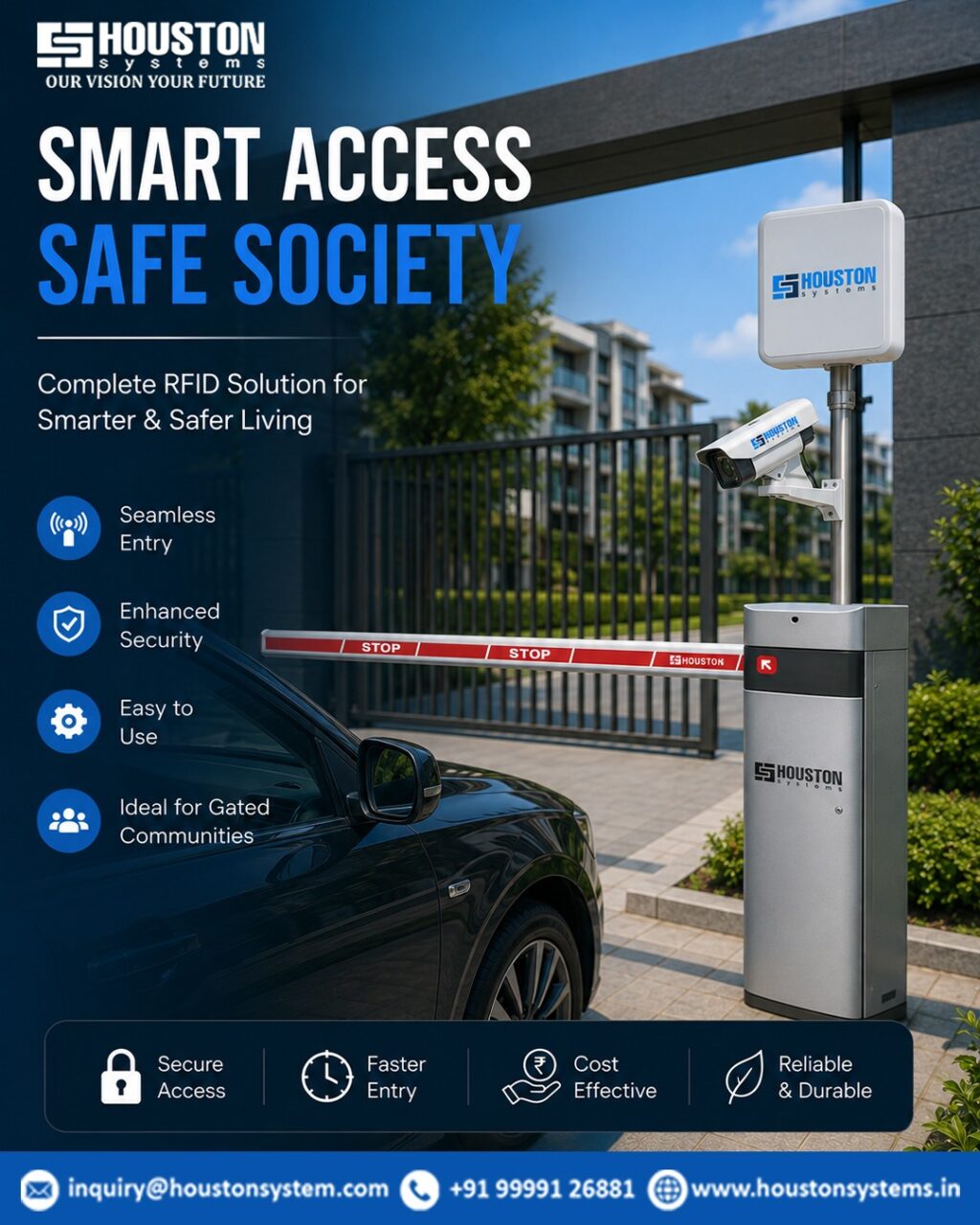
Vehicle Access Control Is Not Just About Technology
Many organizations evaluate vehicle access management by looking at individual components.
Questions often include:
- Do we have boom barriers?
- Are vehicles being verified?
- Are access permissions controlled?
- Can entry activity be monitored?
While these questions matter, they do not reveal how mature the overall vehicle access strategy actually is.
A mature vehicle access program is not defined by technology alone.
It is defined by how effectively people, processes, policies, and systems work together to support security, operational efficiency, accountability, and long-term growth.
This raises an important question:
How mature is your vehicle access strategy today?
Why Maturity Matters
As facilities evolve, vehicle access operations become more demanding.
Organizations often face:
- Higher traffic volumes
- More contractors and visitors
- Greater operational complexity
- Additional compliance expectations
- Increased security requirements
Processes that work effectively today may struggle to support tomorrow’s operational demands.
Understanding maturity helps organizations identify weaknesses before they become operational problems.
The Five-Level Vehicle Access Maturity Framework
This framework provides a practical way to assess current capabilities and identify improvement opportunities.
Level 1: Reactive
Characteristics
At this stage:
- Vehicle access decisions are largely manual
- Procedures are informal
- Documentation is limited
- Operations depend heavily on employee experience
Common Risks
- Inconsistent approvals
- Knowledge dependency
- Limited accountability
- Operational disruption
Assessment Question
If key personnel were unavailable tomorrow, could access operations continue consistently?
For many Level 1 organizations, the answer is no.
Level 2: Controlled
Characteristics
Organizations begin introducing basic structure through:
- Standard operating procedures
- Entry checkpoints
- Approval requirements
- Access records
Benefits
- Better visibility
- Improved consistency
- Reduced informal decision-making
Common Limitation
Processes often remain difficult to scale as operational complexity increases.
Level 3: Standardized
Characteristics
At this stage:
- Procedures are documented
- Roles are clearly assigned
- Training becomes repeatable
- Workflows follow defined standards
Indicators
- Consistent approvals
- Improved onboarding
- Reduced process variation
Organizations at this level often experience stronger operational stability.
Level 4: Integrated
Characteristics
Vehicle access management becomes integrated with broader operational activities.
Examples include:
- Visitor management
- Security operations
- Facility workflows
- Reporting systems
Benefits
- Better coordination
- Greater visibility
- Improved decision-making
A structured vehicle access management approach helps connect operational processes, accountability, and access decisions into a more unified framework.
Level 5: Optimized
Characteristics
Organizations continuously improve performance through:
- Process reviews
- Performance monitoring
- Operational insights
- Continuous refinement
Key Outcome
Vehicle access becomes a strategic operational capability rather than a standalone function.
Vehicle Access Maturity Assessment Table
| Assessment Area | Low Maturity | High Maturity |
| Documentation | Informal | Fully documented |
| Access Decisions | Individual judgment | Standardized process |
| Training | Person-dependent | Structured onboarding |
| Accountability | Unclear | Clearly defined |
| Visibility | Limited | Comprehensive reporting |
| Scalability | Difficult | Designed for growth |
Quick Self-Assessment Scorecard
Give yourself one point for each “Yes” answer.
| Assessment Question | Yes / No |
| Are procedures documented and updated regularly? | □ |
| Are access approvals standardized? | □ |
| Can new personnel follow procedures consistently? | □ |
| Are responsibilities clearly assigned? | □ |
| Can access decisions be reviewed later if needed? | □ |
| Are exception procedures documented? | □ |
| Are vehicle access activities monitored consistently? | □ |
| Can current processes support future growth? | □ |
Scoring Guide
- 0–2 points: Reactive
- 3–4 points: Controlled
- 5–6 points: Standardized
- 7 points: Integrated
- 8 points: Optimized
Common Signs of Low Maturity
Organizations often discover maturity gaps through:
- Frequent exceptions
- Inconsistent approvals
- Heavy dependency on experienced personnel
- Limited process documentation
- Operational bottlenecks
- Poor visibility into access decisions
These indicators suggest that vehicle access management may require additional structure.
Real-World Observation
A growing commercial facility managed vehicle access using informal procedures that had evolved over several years.
The approach worked effectively while operations remained relatively simple.
However, as traffic volumes increased:
- Approval requests became harder to manage
- New personnel required constant guidance
- Decision consistency declined
- Operational visibility weakened
After documenting procedures and standardizing workflows, the organization achieved:
- Faster onboarding
- More consistent approvals
- Better accountability
- Improved operational visibility
The improvement came from process maturity rather than additional technology.
Maturity Progress Benchmark
Organizations operating at:
Levels 1–2
Often focus on gaining control and reducing inconsistency.
Level 3
Typically focus on repeatability and operational stability.
Levels 4–5
Usually concentrate on integration, optimization, and long-term performance improvement.
The objective is not reaching Level 5 immediately.
The objective is moving consistently toward greater maturity.
Maturity Progression Roadmap
| Current State | Recommended Next Step |
| Reactive | Document procedures |
| Controlled | Standardize workflows |
| Standardized | Improve integration |
| Integrated | Measure performance |
| Optimized | Continuously refine processes |
Maturity develops through ongoing improvement rather than one-time implementation projects.
Expert Insight
Mature vehicle access programs are defined less by the technology they deploy and more by the consistency, accountability, and repeatability of their operational decisions. The strongest strategies continue functioning effectively even as personnel, traffic volumes, and operational requirements change.
Why Maturity Creates Long-Term Value
Higher maturity levels often lead to:
- Better operational continuity
- Stronger accountability
- Improved scalability
- Faster onboarding
- Greater decision consistency
- Reduced organizational dependency
A vehicle access governance framework helps organizations improve consistency, accountability, and operational maturity across access-related processes.
The goal is not perfection.
The goal is creating a vehicle access strategy capable of supporting long-term operational success.
Final Thought
Many organizations focus on access technology while overlooking process maturity.
Yet the effectiveness of a vehicle access strategy depends on much more than hardware or software.
Facilities that document procedures, standardize workflows, improve visibility, and continuously refine operations are typically better positioned to manage future growth and operational complexity.
Understanding your current maturity level is often the first step toward building a stronger, more resilient, and more scalable vehicle access program.
FAQs
What is vehicle access maturity?
Vehicle access maturity refers to how effectively an organization manages vehicle access through structured processes, documented procedures, accountability, and operational consistency.
Why should organizations assess vehicle access maturity?
Assessments help identify weaknesses, improve efficiency, strengthen accountability, and prepare operations for future growth.
What are common signs of low maturity?
Heavy reliance on individuals, inconsistent approvals, undocumented procedures, and limited visibility are common indicators.
How can organizations improve vehicle access maturity?
By documenting workflows, standardizing processes, defining responsibilities, improving visibility, and continuously refining operational practices.