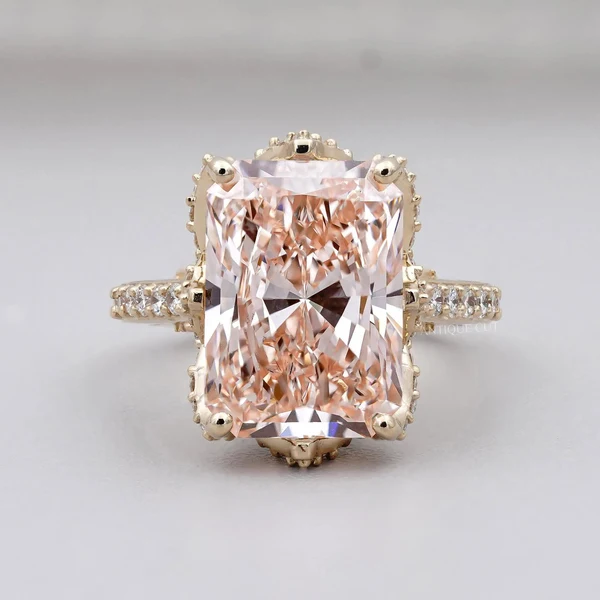
Jewelry has always been admired for its beauty, but what truly makes a piece unforgettable is the way it interacts with light and color. Every gemstone, every polished surface, and every carefully crafted setting responds differently when exposed to natural or artificial light. This interaction transforms jewelry from a simple accessory into a work of wearable art.
Modern jewelry design has evolved beyond traditional aesthetics. Designers now carefully consider how different materials reflect, absorb, and refract light to create unique visual effects. At the same time, color has become a powerful storytelling element, allowing jewelry to express personality, emotion, and individuality.
From brilliant diamonds that sparkle with every movement to soft pink gemstones that radiate warmth, light and color influence how jewelry is perceived and appreciated. Understanding their relationship helps explain why certain pieces captivate attention instantly while others leave a lasting emotional impression.
The Science Behind Light in Jewelry Design
Light plays a significant role in determining the beauty of any piece of jewelry. When light strikes a gemstone or polished metal, several optical effects occur simultaneously. Reflection, refraction, dispersion, and brilliance work together to create the visual appeal that people admire.
Reflection happens when light bounces off the surface of a gemstone or precious metal. Highly polished metals like platinum, white gold, and sterling silver enhance this effect by directing more light toward the viewer.
Refraction occurs as light enters a gemstone and bends through its internal structure. The quality of the gemstone’s cut determines how efficiently light travels inside before returning to the eye. A well-cut gemstone appears brighter because it maximizes the amount of reflected light.
Dispersion creates flashes of different colors as white light separates into its spectral components. Although diamonds are famous for this rainbow-like fire, many colored gemstones also display fascinating optical characteristics depending on their crystal structure.
Designers carefully balance these scientific principles with artistic creativity. Every angle, facet, and setting influences how much light reaches the gemstone and how effectively it returns to the observer.
The true charm of gem-grade rose quartz lies in its microscopic fibrous inclusions, which create a silky, cloud-like depth within the crystal. When expert gem cutters shape these stones into cabochons or faceted cushions, the mineral captures ambient light to reveal a soft, luminous texture. To explore beautiful gemstone-inspired collections and modern jewelry craftsmanship, visit:
https://www.antiquecut.com/blogs/fine-jewelry/rose-quartz-jewelry
The Emotional Influence of Color in Modern Jewelry
While light creates brilliance, color creates emotion. Different gemstone colors evoke different feelings, making color selection one of the most personal aspects of jewelry design. Warm colors such as ruby red, golden yellow, and orange often symbolize confidence, passion, and celebration. These vibrant tones naturally attract attention and make bold fashion statements.
Cool colors including sapphire blue, emerald green, and aquamarine are commonly associated with calmness, trust, balance, and sophistication. Their versatility allows them to complement both formal and everyday attire.
Neutral shades remain timeless because they coordinate effortlessly with various styles. White diamonds, pearls, and transparent gemstones continue to be popular choices due to their universal appeal.
Soft pastel gemstones have experienced remarkable growth in contemporary jewelry. Among them, rose quartz stands out because of its gentle pink hue. Its subtle color creates a delicate appearance that feels elegant without becoming overpowering.
Unlike gemstones known primarily for brilliance, rose quartz offers a softer visual experience. Instead of dramatic sparkle, it produces a smooth glow that changes beautifully under different lighting conditions. Morning sunlight reveals its delicate blush tones, while evening lighting often gives it a richer, warmer appearance. These subtle color transitions make pastel gemstones particularly attractive to individuals seeking understated luxury rather than excessive brilliance.
How Gemstones and Metal Choices Create Visual Harmony
Modern jewelry design depends on more than selecting an attractive gemstone. Designers carefully pair gemstones with metals that enhance their natural beauty rather than compete with it.
White gold and platinum provide cool, reflective backgrounds that increase the brightness of colorless or lightly colored gemstones. Their mirror-like surfaces amplify light while maintaining a refined appearance.
Yellow gold introduces warmth into a design. Rich golden tones create beautiful contrast against green, blue, and purple gemstones while intensifying warm-colored stones such as citrine and garnet.
Rose gold has become increasingly popular because of its romantic appearance. Its soft pink undertones naturally complement pastel gemstones and create harmonious color transitions throughout the jewelry piece.
The choice of finish also influences how jewelry interacts with light. High-polish surfaces maximize reflection, producing a brilliant shine. Satin, brushed, or matte finishes diffuse light more gently, creating contemporary elegance with reduced glare.
Gemstone settings further affect overall appearance. Prong settings expose more of the gemstone, allowing additional light to enter from multiple angles. Bezel settings offer greater protection while producing a cleaner, modern silhouette. Halo settings surround a central gemstone with smaller stones that increase perceived brilliance and visual size.
Layering different textures has become another defining characteristic of modern jewelry. Combining polished surfaces with matte finishes creates depth and visual interest, allowing light to interact differently across various sections of the same design.
Personal Expression Through Light, Color, and Contemporary Craftsmanship
Customization has become one of the strongest trends in the jewelry industry. Individuals often select gemstones based on emotional significance, birthstones, favorite colors, or symbolic meanings instead of simply choosing the most expensive option.
Designers now incorporate asymmetrical layouts, mixed metals, organic shapes, and innovative gemstone arrangements that interact with light in unexpected ways. Rather than following rigid traditions, contemporary collections celebrate individuality through artistic experimentation.
Soft-colored gemstones have become particularly popular among those seeking versatility. Their gentle appearance allows them to transition effortlessly from professional settings to evening occasions without appearing overly formal.
Many people choose pink gemstones because they complement a wide range of skin tones and wardrobe colors. Their understated elegance allows them to remain fashionable across changing trends.
For anyone interested in learn more about rose quartz jewelry, its appeal extends beyond appearance. The gemstone’s soft pink color pairs beautifully with both white and rose gold while offering remarkable versatility for rings, necklaces, bracelets, and earrings. Its calming visual presence makes it suitable for minimalist designs as well as intricate handcrafted collections.
As jewelry becomes increasingly personal, buyers appreciate pieces that maintain their beauty under different lighting environments. Whether viewed outdoors, beneath office lighting, or during evening celebrations, thoughtfully designed jewelry continues to reveal new dimensions of color and brilliance.
Craftsmanship, Innovation, and the Future of Jewelry Design
Technological advances have significantly influenced the way modern jewelry is created. Computer-aided design allows designers to simulate how gemstones will interact with light before production even begins. This precision helps optimize gemstone placement, metal thickness, and overall balance.
Three-dimensional modeling also enables highly customized creations while maintaining exceptional accuracy. Artisans can experiment with different gemstone arrangements and lighting conditions digitally before crafting the final piece.
Despite technological progress, traditional craftsmanship remains irreplaceable. Skilled artisans continue to perform delicate polishing, gemstone setting, and finishing by hand, ensuring every detail contributes to the jewelry’s visual harmony.
Manufacturers are also placing greater emphasis on ethical sourcing and sustainable production methods. Consumers increasingly value transparency regarding gemstone origins and responsible manufacturing practices alongside exceptional design quality.
Brands that successfully combine innovation with traditional artistry are helping redefine luxury for a new generation of buyers. Antiquecut represents this approach by focusing on thoughtfully crafted fine jewelry that balances timeless elegance with contemporary design principles, allowing gemstones and precious metals to showcase their natural interaction with light and color.
Conclusion
Light and color are not merely decorative elements in jewelry—they are fundamental design principles that shape every piece from concept to completion. Light determines brilliance, depth, and sparkle, while color influences mood, personality, and emotional connection.
Modern jewelry designers understand that exceptional beauty comes from balancing science, craftsmanship, and artistic vision. Every gemstone cut, metal selection, surface finish, and setting contributes to the final visual experience.
As contemporary jewelry continues to evolve, the relationship between light and color remains at the heart of meaningful design. Whether someone prefers vibrant statement pieces or subtle pastel elegance, thoughtfully crafted jewelry demonstrates how these two elements can transform precious materials into lasting expressions of style, creativity, and individuality.