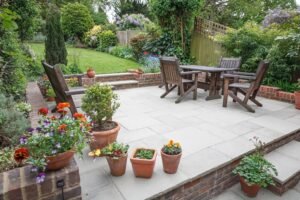
A well designed landscape can make a home more comfortable, attractive, and enjoyable. The right combination of plants, outdoor areas, walkways, lighting, and natural features can turn an ordinary yard into a space that feels like a natural extension of the home. Good landscape design is not simply about making a property look attractive. It is also about creating an outdoor space that fits the homeowner’s lifestyle and works well with the property.
For homeowners planning an outdoor improvement project, professional guidance can make the process easier. A landscape design company in Southlake TX can help homeowners develop a clear plan that considers the home’s style, available space, local conditions, and long term maintenance needs.
What Is Landscape Design?
Landscape design is the process of planning how different parts of an outdoor property will look and function together. It can include gardens, trees, lawns, patios, walkways, outdoor seating areas, lighting, privacy features, and other landscape elements.
A good design starts with the property rather than a list of individual features. The layout should consider where people walk, where they spend time, how sunlight reaches different areas, and how plants will grow as they mature.
This approach helps create a landscape that feels connected instead of looking like a collection of unrelated additions.
Why Outdoor Planning Matters
Many landscaping problems begin when projects are completed without enough planning. A plant may look attractive when it is installed but eventually become too large for its location. A patio may be placed where it receives too much sun, or a walkway may not connect important areas of the yard effectively.
Planning allows homeowners to consider these details before installation. It also provides a clearer picture of how the finished property can look and function.
A well planned landscape can help homeowners:
- Make better use of available outdoor space
- Create areas for relaxation and entertainment
- Improve the appearance of the property
- Support easier landscape maintenance
- Plan plants according to sunlight and water needs
- Create better connections between indoor and outdoor areas
The goal is to create a practical space that works for the people who use it every day.
Understanding the Property Before Designing
Every property has unique conditions that influence landscape design. Yard size, home architecture, existing trees, soil, drainage, sunlight, and surrounding properties should all be considered.
A professional designer can study these factors before developing a plan. This helps ensure that landscape features are placed where they can perform well and complement the existing property.
Studying Sunlight and Shade
Different parts of a yard can receive very different amounts of sunlight. Some areas may receive direct sun for most of the day, while others may remain shaded because of trees, buildings, or fences.
This information can help determine where different types of plants should be placed. It can also influence the location of patios, seating areas, and other outdoor features.
Considering Drainage
Water movement is another important part of landscape planning. Areas that collect excess water may not be suitable for certain plants or outdoor features.
A landscape plan can consider how rainwater moves across the property and how drainage can be managed. Addressing these concerns during the planning stage can help prevent problems later.
Creating Functional Outdoor Areas
A beautiful landscape should also be useful. Homeowners may have different goals for their yards, so the design should reflect how the space will actually be used.
Some families may want a large open lawn, while others may prefer garden areas, patios, or quiet seating spaces. These different uses can be incorporated into one cohesive plan.
Designing for Outdoor Entertainment
Outdoor entertainment areas can provide additional space for family gatherings and social events. A patio, dining area, or comfortable seating zone can become a central part of the landscape.
The surrounding design can make these spaces more inviting. Trees and shrubs can provide shade and privacy, while pathways can connect the area with the rest of the yard.
Outdoor lighting can also make entertainment areas more useful after sunset. Properly positioned fixtures can illuminate walkways and seating areas without overpowering the landscape.
Creating Spaces for Relaxation
An outdoor area does not always need to be designed for large gatherings. A smaller garden or seating area can create a peaceful place for reading, enjoying nature, or taking a break.
Plants, shade, privacy, and comfortable seating can all contribute to a relaxing environment. The location of the space can be just as important as the features placed within it.
Selecting Plants for Long Term Growth
Plant selection should take both appearance and future growth into account. A plant that fits perfectly into a garden bed today may become crowded as it matures.
Homeowners should consider the mature height and width of trees, shrubs, and other plants. Proper spacing gives plants room to grow and can reduce the need for excessive pruning.
Working with a landscape design company colleyville tx can help homeowners develop a planting plan that considers local growing conditions and the future size of the landscape.
Creating Seasonal Interest
A thoughtfully designed landscape can provide visual interest throughout the year. Different plants can offer flowers, foliage, texture, or evergreen structure during different seasons.
Using a balanced selection of plants can keep the landscape attractive as the seasons change. The plants should still be selected according to the property’s conditions rather than appearance alone.
Adding Privacy to the Landscape
Privacy is an important consideration for many outdoor spaces. Plants can help create a natural screen between properties while adding greenery to the yard.
Trees, shrubs, and layered planting can be positioned to reduce unwanted views. This can create a more comfortable environment without making the landscape feel closed in.
Plant placement should consider mature size. Giving plants enough room to grow can help maintain their health and prevent the landscape from becoming overcrowded.
Improving Curb Appeal
The front yard plays an important role in the overall appearance of a home. A balanced landscape can make an entrance feel more welcoming and complement the architectural style of the property.
Trees, planting beds, walkways, lighting, and other features can be arranged to create a clear visual connection between the home and yard.
However, curb appeal does not require filling every available space. Too many features can make an outdoor area appear cluttered. A simple and coordinated design can often create a stronger overall impression.
Planning for Easier Maintenance
Maintenance needs should be considered before landscaping begins. Homeowners have different amounts of time available for watering, pruning, mowing, and caring for plants.
A landscape designed with maintenance in mind can make regular care easier. Plants with similar water needs can be grouped together, while pathways and planting beds can be positioned for convenient access.
Other useful considerations include:
- Choosing plants that suit the local environment
- Allowing room for mature plant growth
- Grouping plants according to similar water needs
- Providing easy access to planting areas
- Planning irrigation around actual landscape requirements
- Selecting practical materials for frequently used areas
These decisions can help homeowners enjoy an attractive yard without creating unnecessary maintenance demands.
Using Hardscape Features Effectively
Hardscape features can provide structure and definition within a landscape. Patios, pathways, seating areas, retaining structures, and decorative surfaces can help organize outdoor spaces.
These features should complement the home’s design and the surrounding plants. A walkway can guide visitors toward an entrance, while a patio can establish a dedicated area for outdoor activities.
Combining hardscape and planting areas can also create contrast. Plants can soften hard surfaces, while paths and patios can give the landscape a clear structure.
The Value of Professional Landscape Planning
Landscape projects involve many connected decisions. The location of a tree can affect shade, while the position of a patio can influence nearby planting areas. Walkways need to connect spaces without making the yard difficult to navigate.
Professional planning brings these elements together. It can also help homeowners understand how different choices may affect the appearance, use, and maintenance of the property.
Taking time to plan before installation can make the project more organized and help reduce the need for unnecessary changes later.
Designing for Years of Enjoyment
A landscape should be designed with the future in mind. Plants grow, outdoor needs change, and homeowners may eventually use different parts of the property in new ways.
Considering future growth and possible changes can help create a landscape that remains useful and attractive over time. The best outdoor spaces are not only appealing when they are first completed. They continue to support everyday life as the property develops.
For homeowners planning a new outdoor space, W5LC Landscape provides professional landscape design services focused on creating functional, attractive, and comfortable environments. With thoughtful planning, a landscape can complement the home, improve outdoor living, and provide a space that homeowners can enjoy for many years