Skin ageing is a natural process influenced by genetics, environmental exposure, lifestyle choices, and changes within the body. However, some people experience wrinkles, dryness, loss of elasticity, and uneven skin tone earlier than expected.
One important factor behind these changes is hormonal imbalance. Hormones regulate many essential functions, including collagen production, skin hydration, oil secretion, and tissue repair. When hormone levels fluctuate or decline, the skin may lose some of its ability to remain smooth, firm, and healthy.
Understanding the connection between hormones and skin health can help people make informed decisions about skincare, lifestyle habits, and professional treatments. Identifying the underlying causes of premature ageing may also help individuals choose suitable solutions that support their skin over time.
Understanding the Relationship Between Hormones and Skin Health
Hormones are chemical messengers that influence how different organs and tissues function. The skin responds to several hormones, including oestrogen, testosterone, cortisol, thyroid hormones, and growth hormone. Each plays a different role in maintaining skin structure, moisture, and regeneration.
Oestrogen is particularly important for skin health, especially in women. It supports collagen production, helps maintain skin thickness, and contributes to hydration. When oestrogen levels decline during perimenopause and menopause, the skin may become thinner, drier, and less elastic.
Thyroid hormones also influence skin renewal and moisture balance. When thyroid function is reduced, some people develop dry, rough skin. Meanwhile, excessive cortisol associated with prolonged stress may contribute to inflammation and interfere with normal tissue repair.
These hormonal changes do not affect everyone equally. Age, genetics, medical history, sun exposure, and everyday habits can influence how noticeable skin changes become.
How Oestrogen Decline Accelerates Skin Ageing
Oestrogen supports several processes that help the skin maintain a youthful appearance. One of its key functions is supporting collagen, a structural protein that gives skin firmness and strength. It also helps maintain elastin, which allows the skin to return to its original shape after stretching.
As oestrogen levels decrease, collagen production can decline, contributing to wrinkles, sagging, and reduced skin thickness. The skin may also retain less moisture, making fine lines more visible.
These changes are particularly common during menopause, although their timing and severity vary. Some women notice increased dryness around the cheeks, forehead, and neck, while others experience greater sensitivity or a change in skin texture.
A consistent skincare routine can help address these concerns. Gentle cleansers, moisturisers containing ceramides, and products with hyaluronic acid may improve hydration. Daily broad-spectrum sunscreen is also essential because ultraviolet radiation damages collagen and accelerates visible ageing.
For more persistent concerns, Hormonal skin ageing treatment may involve a professional assessment to identify relevant hormonal changes and determine which skin-focused options are appropriate.
The Impact of Cortisol and Chronic Stress
Cortisol is released by the adrenal glands in response to stress. It plays an important role in regulating metabolism, inflammation, and the body’s response to challenging situations. However, prolonged stress can affect skin health in several ways.
Sustained stress may disrupt sleep, increase inflammation, and aggravate existing skin conditions such as acne, eczema, or rosacea. It can also influence behaviours that contribute to premature ageing, including poor dietary choices, smoking, and inconsistent skincare.
When sleep quality declines, the skin may appear dull, tired, and less refreshed. Repeated stress may also make it more difficult to maintain habits that support healthy skin renewal.
Managing stress can therefore be a valuable part of a broader skin-health strategy. Regular physical activity, relaxation techniques, sufficient sleep, and realistic daily routines may help support general wellbeing.
Although stress management cannot reverse all age-related changes, it can reduce some contributing factors and help people maintain healthier skin over time.
Thyroid Imbalances and Changes in Skin Texture
The thyroid gland produces hormones that help regulate metabolism and influence the function of many tissues, including the skin. When thyroid hormone levels fall below the normal range, the skin may become dry, rough, cool, or flaky. Some individuals also notice puffiness or changes in hair and nail quality.
An overactive thyroid can produce different effects, sometimes causing warm, moist skin and increased sweating. These symptoms are not exclusive to thyroid conditions, so they should not be used to diagnose a hormonal problem independently.
People who notice persistent skin changes alongside unexplained fatigue, weight changes, temperature sensitivity, or changes in hair growth may benefit from consulting a healthcare professional.
A clinician can assess symptoms and determine whether thyroid function testing or further investigation is appropriate. Treating an underlying thyroid disorder may improve related skin symptoms, although improvements depend on the cause and individual response.
Using anti-ageing products alone is unlikely to address skin changes caused by an untreated hormonal condition.
Testosterone and Other Hormones That Affect Skin
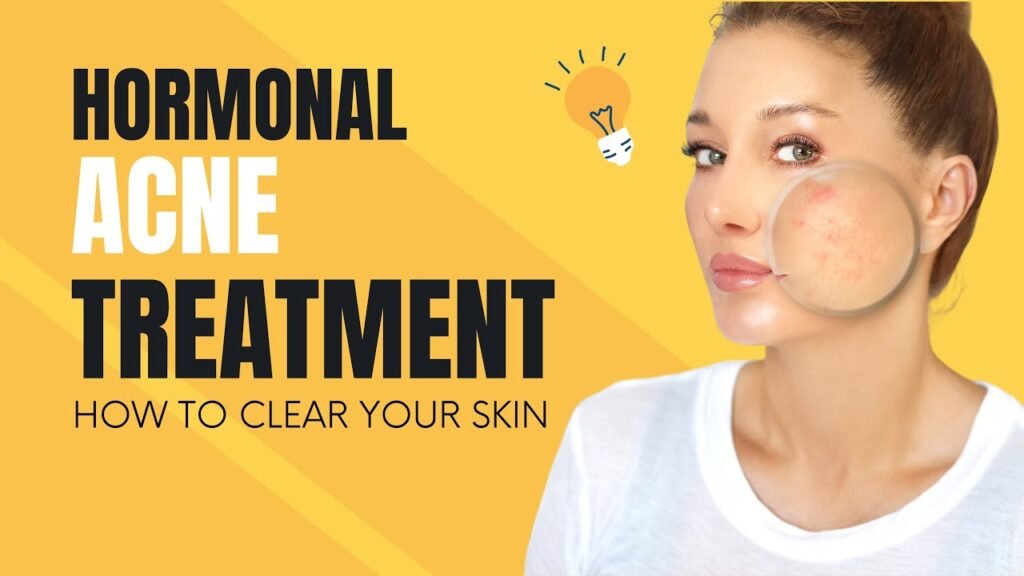
Testosterone influences oil production, hair growth, and the activity of sebaceous glands. Changes in androgen levels may contribute to increased oiliness, enlarged-looking pores, or acne in some individuals.
Hormonal fluctuations can also affect skin appearance indirectly through changes in inflammation, metabolism, and tissue maintenance. Growth hormone and related biological pathways contribute to cellular renewal and collagen support, although their effects are complex.
It is important to understand that hormonal skin changes are not always evidence of a hormonal disorder. Normal ageing, environmental exposure, medication use, and genetic differences may produce similar symptoms.
Rather than attempting to change hormone levels without medical supervision, individuals should focus on identifying the cause of persistent changes. A healthcare professional can determine whether further assessment is needed and discuss suitable options based on the person’s symptoms and medical history.
Recognising the Signs of Premature Skin Ageing
Premature skin ageing can appear in several forms. Recognising these changes early may help people improve their skincare habits and seek professional advice when necessary.
Common signs include:
- Fine lines and wrinkles appearing earlier than expected.
- Increased dryness, tightness, or rough skin texture.
- Reduced firmness and elasticity around the cheeks, jawline, and neck.
- Uneven pigmentation, dark spots, or a dull complexion.
- Greater skin sensitivity or slower recovery from irritation.
- Changes in oil production or the frequency of breakouts.
These signs can have several causes, and no single symptom confirms a hormonal imbalance. A professional assessment can help distinguish hormonal influences from sun damage, dehydration, skin conditions, and other factors.
Early attention to skin health can also help prevent avoidable damage. Sun protection, adequate hydration, balanced nutrition, and consistent skincare remain important regardless of hormone levels.
Professional Approaches to Hormone-Related Skin Ageing
When skin changes become persistent or difficult to manage, professional guidance may help identify the most appropriate next steps. Hormonal skin ageing treatment should begin with understanding the individual’s symptoms, health history, age, and possible contributing factors rather than selecting a cosmetic procedure immediately.
Depending on the findings, a clinician may recommend blood tests when symptoms suggest a relevant endocrine condition. Not everyone experiencing skin ageing needs hormone testing, and test selection should be based on clinical assessment.
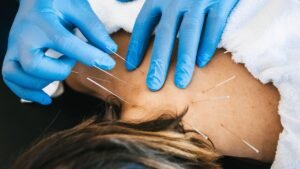
Skin-focused options may include prescription topical treatments, moisturising therapies, treatments for pigmentation, or selected procedures designed to improve skin texture. Retinoids, for example, may help reduce the appearance of fine lines and support skin renewal when suitable for the individual.
Hormone therapy may be appropriate for certain medically assessed conditions or menopausal symptoms, but it is not a routine anti-ageing solution for everyone. Potential benefits, risks, and contraindications should be discussed with a qualified prescriber.
A personalised approach is often more effective than relying on a single product or procedure. Treatment plans should also account for skin sensitivity, existing medical conditions, and realistic expectations about results.
Daily Habits That Support Healthier, Younger-Looking Skin
Professional care works best when supported by consistent everyday habits. Although lifestyle changes cannot prevent all hormonal ageing, they can help protect the skin and improve its overall appearance.
Protect against UV exposure: Apply broad-spectrum SPF 30 or higher daily and reapply as directed, particularly when spending time outdoors. Sun protection helps prevent collagen damage and uneven pigmentation.
Maintain skin hydration: Use a gentle cleanser and a moisturiser suited to your skin type. Ingredients such as glycerin, ceramides, and hyaluronic acid can help support the skin barrier.
Eat a balanced diet: Include vegetables, fruit, protein sources, healthy fats, and other nutrient-rich foods. Adequate nutrition supports normal tissue maintenance.
Prioritise sleep: Regular, sufficient sleep supports overall health and helps maintain a more refreshed appearance.
Avoid smoking: Smoking contributes to oxidative stress and collagen damage, increasing the risk of premature wrinkles.
Choose products carefully: Introduce active ingredients gradually, avoid excessive exfoliation, and seek advice if irritation persists.
Combining these habits with appropriate professional guidance can create a sustainable foundation for long-term skin health.
How Secondlook Medical Group Can Support Skin Health
Secondlook Medical Group can be included in a personalised approach to understanding skin changes and exploring appropriate medical or aesthetic options. Individuals concerned about dryness, fine lines, reduced elasticity, or other signs of ageing may benefit from discussing their concerns with a qualified healthcare professional.
An assessment can help establish whether the changes are consistent with normal ageing, possible hormonal influences, or another skin-related issue. Depending on individual needs and the services available, professional guidance may help determine suitable skincare strategies or treatment options. Understanding the potential causes of skin changes before choosing an intervention supports informed decisions and helps establish realistic expectations for maintaining healthier-looking skin.
Conclusion
Hormonal imbalances and natural hormonal fluctuations can influence collagen production, skin hydration, elasticity, and the skin’s ability to repair itself. Changes involving oestrogen, cortisol, thyroid hormones, and androgens may contribute to visible ageing, although environmental and lifestyle factors also play important roles.
The most effective approach begins with understanding the underlying causes of skin changes. Hormonal skin ageing treatment may include appropriate skincare, professional assessment, management of confirmed hormonal conditions, or selected aesthetic procedures.
By combining evidence-informed care with sun protection, balanced nutrition, sufficient sleep, and consistent skincare habits, individuals can support healthier skin and manage the visible effects of ageing more confidently.