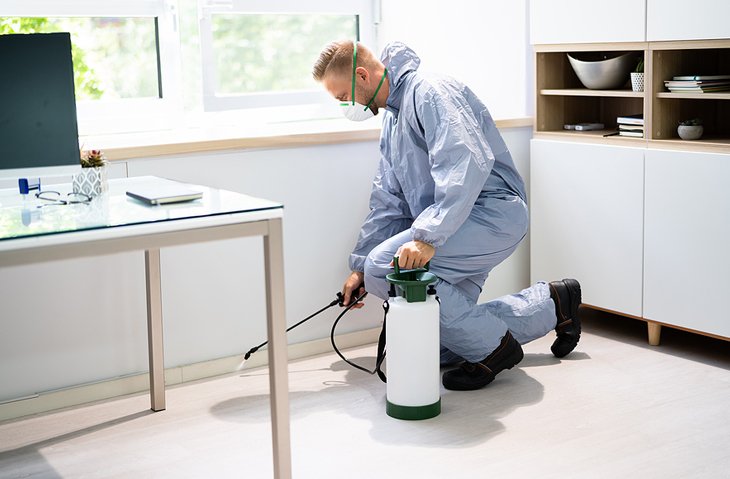
Dynamic pest control provides a more effective strategy for coping with household pests since it concentrates on preventive measures, regular monitoring, and timely action instead of excessive pesticide spraying. The use of this method allows us to decrease the number of disease vectors, such as cockroaches and rodents, and reduces the amount of pesticides used during treatments to reduce the risk to residents’ health.
The main reason why household pests are problematic is not the fact that they cause discomfort or inconvenience to residents. Pests are carriers of various diseases, and their presence deteriorates the quality of our environment. Dust from the bodies of cockroaches, skin sheddings from the cockroaches, and rodent urine and feces are full of allergens that trigger asthma and allergic conditions among the kids. Moreover, there is a possibility of serious complications arising from the presence of rodents, since these pests are the carriers of salmonella. Finally, mosquitoes and flies carry viruses. The traditional spraying technique eliminates pests immediately, but it results in the formation of residue that stays in the air or on the surfaces.
Understanding What Dynamic Pest Control Actually Means
When most people think about pest control, they think about calling someone to spray the baseboards and be done with it. Dynamic pest control, on the other hand, is much closer to management. Technicians make inspections frequently, notice patterns, block entryways and apply chemicals only if necessary and in minimal quantities possible. The whole system gets adjusted according to what is found during each inspection. The change of season, a dripping pipe or crumbs on the counter can alter the intensity of pest threat. This way of working keeps pest populations down but does not require a monthly or bimonthly application of a product inside of a building.
It is much easier to understand the health component in light of the influence that pests have on indoor air. There are allergens produced by the bodies of cockroaches and mice floating in the air and getting into your lungs on a regular basis. Dynamic approaches reduce those allergens by cutting the source. Instead of waiting for a full-blown infestation, the system catches early signs. Baits go into cracks where people and pets never reach. Physical barriers block paths. Cleaning and exclusion do a lot of the heavy lifting. You end up with fewer dead bugs lying around and less chemical mist hanging in the rooms where your family spends time.
How Prevention Cuts Disease Risks at the Source
Pests need three things to thrive: food, water, and shelter. Dynamic pest control focuses hard on taking those away. Seal up any holes in your pipes or windows. Make sure you have no moisture issues in your sink area. Keep food stored away and clean counters. Simple solutions, yes, but these go further than you think. If pests can’t find a spot to nest in your walls, they won’t be able to leave droppings behind and infect your surfaces. Cockroaches will not be able to breed without easy access to food and water. The end result is reduced risk of contamination to your food or your children’s toys. You may only need one treatment for the current issue, but the regular inspections prevent future issues from developing.
The old methods tend to involve sprays which cover a wide area. They leave residues which last for weeks. The children who crawl around on the floor or pets which lick their paws will collect some of it. The dynamic system will tend to use baits that are gels, dusts in the voids and traps as the first choice. If spray is necessary, then it will be directed into confined spaces rather than into open living spaces. This method will have less material in the air and on countertops. The family will appreciate this fact, especially the families who have sensitive lungs or children.

Monitoring Over Time is Critical
One-time treatment may get rid of bugs that were seen but the pests have a tendency to hide and quickly reproduce. In dynamic pest control there will be follow-up inspections and tools such as sticky traps or inspection logs. The technician will change his strategy when the presence of mice is detected in a new place or if the ants have found a new entry point. Over months, the home becomes less inviting to invaders. Allergen levels drop and stay lower. You avoid the cycle of infestation, heavy treatment, temporary relief, and repeat. That cycle is where many households pick up unnecessary chemical exposure year after year.
People sometimes worry that skipping heavy sprays means the pests will win. But in reality, the opposite occurs. With the integration of exclusion, sanitation, and effective product utilization, the total population is controlled. Studies have found that there are fewer allergens caused by roaches in kitchens and bedrooms because of the ongoing efforts to achieve an integrated approach. There is lower activity from rodents because of the sealing of the entry points and removal of their food sources. And the benefit is evident in terms of lower incidences of allergies and lower risks of contamination. It is not a dramatic effort. It is simply good, practical effort.
Safer for Kids, Pets, and Everyday Living
Homes with children or pets face higher stakes. Little ones put their hands in their mouths constantly. Pets explore every corner. Dynamic pest control accounts for that by choosing products and placement carefully. Many programs use materials rated for lower risk and apply them only where needed. The emphasis on prevention leads to less treatment in the long run. Parents would be assured that their living room floor or their dogs’ beds were not covered in residue. This applies even to people who have problems breathing. Cleaning up the air inside by lowering the levels of both pests and chemicals creates a cleaner environment.
Dynamic services bring trained eyes that spot the patterns homeowners miss. They know which species is present and how it behaves. That knowledge leads to better results with less product. Over a year, the total chemical load in the house drops compared to repeated amateur treatments or even regular scheduled sprays that treat every surface the same way. The health risks from both pests and pesticides go down together.

Why Adaptive Methods Outperform Reactive Ones
Reactive pest control waits until the problem is obvious and then hits hard. Dynamic methods stay ahead. Regular inspections catch activity before it spreads into every room. Seasonal adjustments account for warmer weather that brings more insects or cooler months that push rodents indoors. The plan evolves. This keeps the baseline risk lower month after month.They have less of a chance of having a sudden infestation that requires emergency service. Such work usually consists of harsh chemicals and wide application because the problem has already been escalated. By being proactive, one avoids the need for that kind of work and the elevated risk that it poses.
The point is not as complex as it may seem. Pests are a true threat to humans in terms of the illnesses they spread with their allergens and pathogens. A heavy use of chemicals causes a series of problems of its own. Dynamic pest control takes into account both of these factors and addresses them as a system. It decreases the amount of pests in the walls and cabinets. It also decreases the amount of chemicals used. Together, they ensure better results than separately.
Conclusion
An approach that takes a dynamic approach to household pests is more beneficial for people’s health in general. This method allows preventing any pests from invading the household and reduces risks of exposure to chemicals, which could be harmful to children and pets. The ability to adapt the process according to the changing situations makes it more efficient and convenient. For those, who face repeated problems with pests and even those who want their houses to be safe from any contamination, this method provides a viable solution. It results in reducing allergens and getting rid of fears regarding the quality of air in the house.