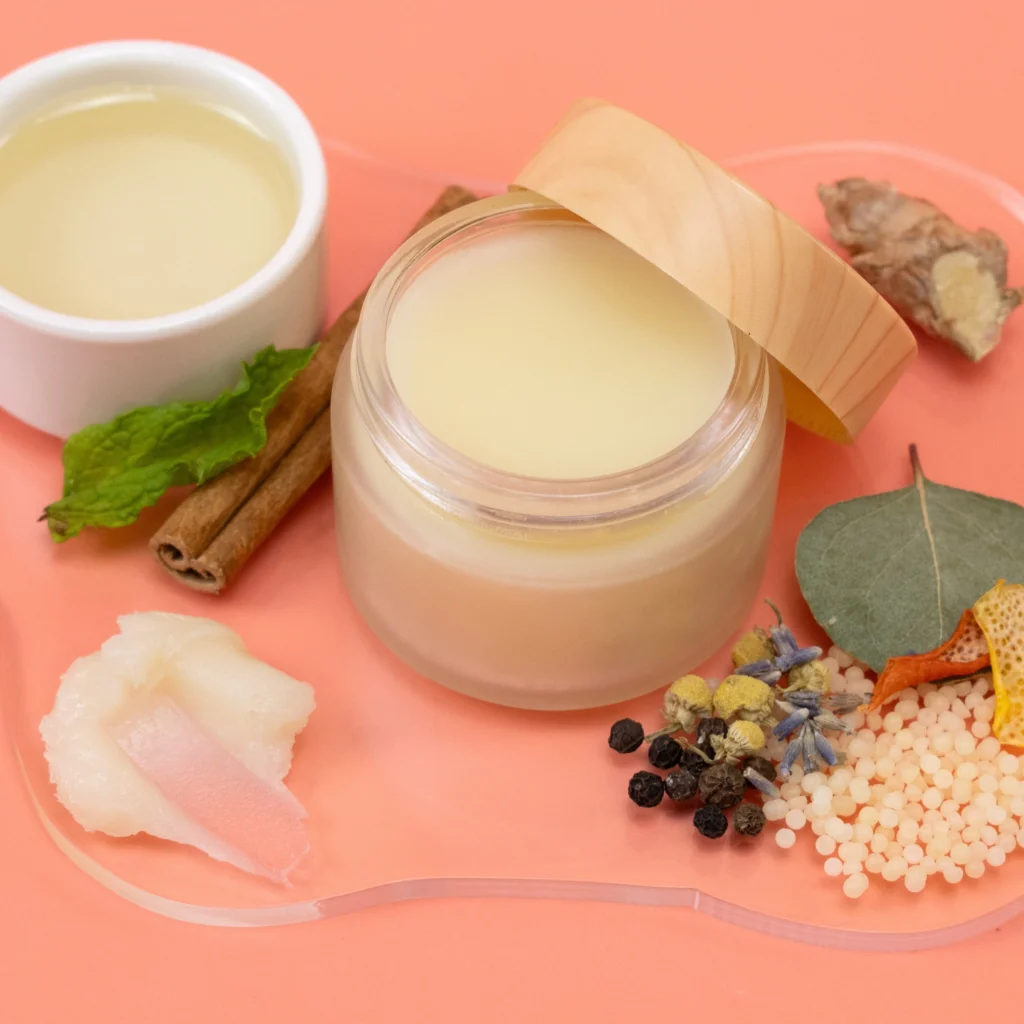
Dry, tight skin can become uncomfortable when moisture disappears faster than the skin can replace it. Many people turn to balms because they provide a protective layer that helps maintain hydration and improve skin comfort. A well-formulated Natural Balm For Soothing Back can help support the skin’s moisture barrier while offering soothing benefits for areas that experience dryness, irritation, or daily stress. Understanding how balms work can make it easier to choose the right option for long-lasting skin care.
How Balm Helps Maintain Skin Moisture
The skin naturally contains oils and protective elements that help prevent water loss. However, factors such as weather changes, frequent washing, dry air, and environmental exposure can weaken this barrier. When the protective layer becomes compromised, moisture can escape more quickly, leaving skin feeling rough or dehydrated.
Balms help address this concern by creating a breathable layer over the skin. This layer reduces moisture loss while allowing the skin to remain comfortable throughout the day. Unlike lightweight lotions that absorb quickly, balms often contain richer ingredients designed to provide longer-lasting support.
The Role of Occlusive Ingredients
Many balms contain ingredients that work as occlusives, which means they help seal moisture into the skin. These ingredients form a protective barrier that slows down water evaporation from the skin’s surface.
Common occlusive ingredients found in balms include:
- Plant-based oils
- Natural waxes
- Shea butter
- Cocoa butter
- Beeswax alternatives
By helping retain existing moisture, these ingredients support softer and smoother-looking skin over time.
Why Consistent Moisture Protection Matters
Maintaining moisture throughout the day is important for keeping the skin’s natural barrier healthy. When skin becomes too dry, it may feel uncomfortable and appear dull or flaky. Regular use of a suitable balm can help improve the skin’s ability to stay hydrated.
Additionally, moisturized skin is better prepared to handle everyday challenges. Cold temperatures, indoor heating, and outdoor exposure can all contribute to moisture loss. Applying a balm as part of a daily routine can provide an extra layer of defense against these conditions.
Supporting the Skin Barrier Naturally
The skin barrier acts as a shield that protects against external irritants while keeping essential moisture inside. A weakened barrier may lead to increased sensitivity and dryness.
Natural Balm products often include nourishing ingredients that complement the skin’s own protective functions. Ingredients such as botanical extracts and natural oils can provide conditioning benefits while helping maintain a balanced feel.
How Balm Provides Long-Lasting Comfort
One of the main reasons people choose balms is their ability to deliver extended hydration. Because balms typically have a thicker texture than creams or lotions, they remain on the skin longer and continue supporting moisture retention.
For areas that experience frequent dryness or tension, a balm can offer targeted care. Applying it after bathing or cleansing can be especially helpful because the skin is still slightly damp and ready to hold onto moisture.
Best Times to Apply Balm
For better results, consider applying balm during these times:
- After showering when skin needs moisture support
- Before outdoor activities in harsh weather
- Before bedtime to allow overnight nourishment
- Whenever dry areas need extra attention
Using balm consistently can help create a more effective skincare routine.
Ingredients That Improve Balm Effectiveness
Not all balms provide the same benefits. The ingredients used in a formula determine how well it supports hydration and skin comfort.
Natural Oils for Skin Conditioning
Natural oils are commonly used in skincare because they help soften and nourish the skin. Oils such as coconut oil, jojoba oil, and almond oil can provide essential conditioning properties.
These ingredients help improve the skin’s texture while supporting a smoother appearance. When combined with moisture-locking ingredients, they create a balanced formula for daily use.
Plant-Based Butters for Deep Nourishment
Butters such as shea butter and mango butter are popular in balm formulations because they provide rich hydration. They contain naturally occurring compounds that help improve the feel of dry skin.
These ingredients are especially useful for people who need extra moisture support during colder months or in dry environments.
Practical Tips for Using Balm Effectively
Using balm correctly can improve its benefits and help maintain comfortable skin throughout the day. A few simple habits can make a noticeable difference.
Apply on Clean Skin
Clean skin allows balm ingredients to work more effectively. After washing, gently pat the skin dry and apply a small amount of balm to areas that need additional moisture.
Avoid applying too much product at once. A thin, even layer is usually enough to create a protective moisture barrier.
Focus on Dry or Stressed Areas
Certain areas of the body lose moisture more quickly than others. These areas may benefit from regular balm application:
- Back and shoulders
- Elbows and knees
- Hands
- Feet
- Other areas affected by dryness
Targeted application allows you to provide extra care where the skin needs it most.
How Lifestyle Choices Affect Skin Moisture
While balms provide external support, daily habits also influence skin hydration. Drinking enough water, eating a balanced diet, and avoiding overly harsh skincare products can help maintain healthier-looking skin.
Moreover, protecting skin from extreme weather conditions can reduce moisture loss. Combining healthy habits with a quality balm routine creates a more complete approach to skincare.
Choosing the Right Balm for Daily Use
Selecting the right balm depends on individual skin needs and preferences. Look for formulas made with nourishing ingredients and avoid products that contain unnecessary additives if your skin is sensitive.
A good balm should feel comfortable, absorb well, and provide lasting moisture without leaving the skin overly greasy. Reading ingredient labels can help you choose a product that matches your skincare goals.
Consider Your Skin’s Needs
Before choosing a balm, think about:
- Your skin type
- Areas needing extra moisture
- Ingredient preferences
- How often you plan to use it
A personalized approach can help you find a balm that fits naturally into your daily routine.
Conclusion
Balm plays an important role in helping skin maintain moisture by creating a protective layer that reduces water loss and supports softness throughout the day. With nourishing ingredients and consistent use, balms can help improve the comfort and appearance of dry skin. Choosing a formula with quality ingredients and applying it at the right times can make daily skincare more effective. Whether used for general hydration or targeted care, a well-selected balm can become a valuable part of a balanced wellness routine.