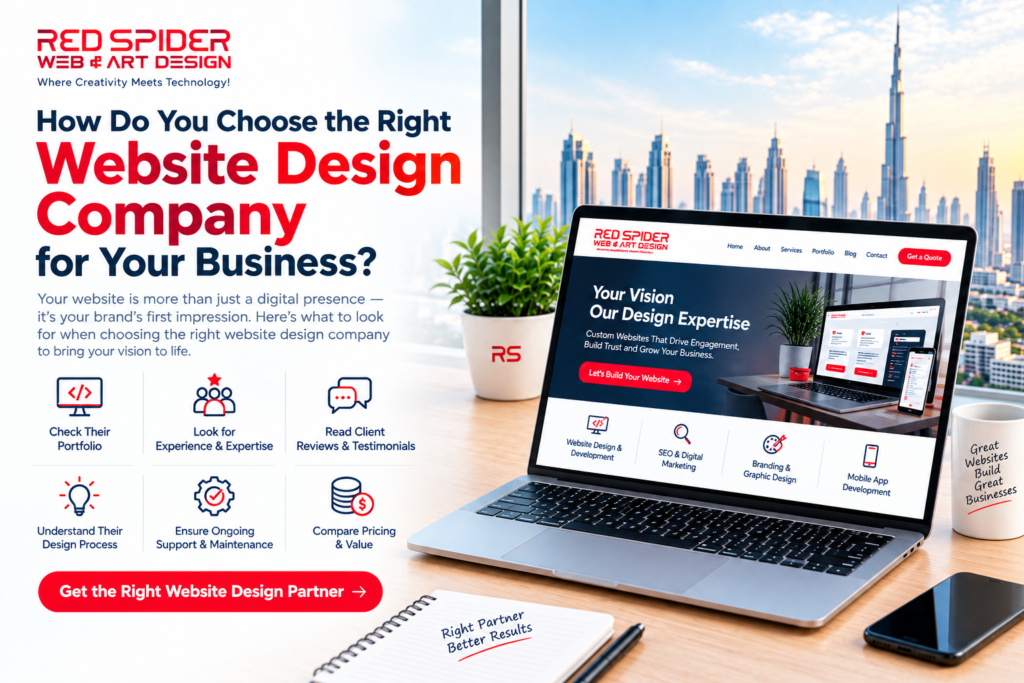
In today’s digital landscape, your website is often the first impression potential customers have of your business. It’s not just a virtual storefront—it’s a powerful marketing tool that can drive growth, build credibility, and establish your brand identity. Choosing the right website design company is crucial to ensure your online presence reflects your business values and achieves your goals. With countless options available, selecting the perfect partner can feel overwhelming. This guide will help you navigate the process and make an informed decision.
Understanding Your Business Needs
Define Your Goals and Objectives
Before reaching out to any website design company, clearly articulate what you want to achieve with your website. Are you looking to increase online sales, generate leads, build brand awareness, or improve customer engagement? Your primary objectives will directly influence which design company is best suited for your needs. A company specializing in e-commerce platforms may not be the best fit if you’re primarily focused on content marketing and lead generation.
Identify Your Target Audience
Understanding your target audience is essential for creating an effective website. The design company you choose should have experience creating websites for your specific demographic. Consider factors such as age, location, technical proficiency, and purchasing behavior. A design company that excels at creating tech-forward interfaces for Gen Z audiences might not be ideal if your customers are primarily Baby Boomers who prefer straightforward, traditional designs.
Assess Your Budget
Website design costs can range dramatically, from a few thousand dollars to hundreds of thousands, depending on complexity, features, and the company’s expertise. Establish a realistic budget before beginning your search. Remember that investing in quality design often yields better returns through improved conversions and user experience. However, the most expensive option isn’t always the best—focus on value for your investment rather than price alone.
Evaluating Potential Design Companies
Review Their Portfolio and Experience
A company’s portfolio is a window into their capabilities and design philosophy. Examine their previous work closely. Do their designs align with your aesthetic preferences? Are their websites functional and user-friendly? Look for diversity in their portfolio—companies that have worked with various industries and business sizes demonstrate broader expertise. Pay special attention to case studies that show measurable results, such as increased conversion rates or improved user engagement.
Check Their Industry Specialization
Website design companies often specialize in specific industries or business types. An agency with expertise in healthcare website design understands HIPAA compliance and patient privacy concerns. An e-commerce specialist knows how to optimize product pages for conversions. When a company has deep experience in your industry, they bring valuable insights and best practices that can directly benefit your project.
Assess Their Technical Expertise
Modern web design requires proficiency in multiple technologies and platforms. Ask potential companies about their technical stack—which programming languages, content management systems, and frameworks do they use? Do they build responsive designs that work seamlessly on mobile devices? Can they optimize for search engines (SEO)? Are they experienced with current web standards and accessibility requirements? Technical expertise directly impacts your website’s performance, security, and long-term maintenance.
Making Your Final Decision
Request and Compare Proposals
Once you’ve narrowed down your options to three to five companies, request detailed proposals. Quality proposals should include a project timeline, specific deliverables, pricing breakdown, and a clear communication plan. Compare not just prices, but the scope of work, revision limits, and post-launch support. Be wary of vague proposals or companies unwilling to provide specifics about their process.
Schedule Consultations
Direct communication is invaluable. Schedule consultations with your top choices. Pay attention to how they listen to your needs and ask clarifying questions. Do they seem genuinely interested in understanding your business, or are they pushing a one-size-fits-all solution? Exceptional design companies invest time in discovery before proposing solutions. This conversation should give you confidence in their ability to understand your vision.
Verify Client References
Ask for references from past clients, preferably businesses similar to yours. Contact these references and ask specific questions: Did the company deliver on time and budget? Were they responsive to changes? How was the post-launch support? Did the website achieve the intended results? Genuine testimonials from satisfied clients provide invaluable insight into what it’s like to work with a particular company.
Evaluate Communication and Support
Choose a company that communicates clearly and consistently. How quickly do they respond to emails? Do they provide regular updates during the project? What happens after your website launches? Ongoing support, maintenance, and the ability to make updates are crucial for your website’s long-term success. Companies that invest in strong client relationships tend to provide better results and support.
Key Features to Look For
Mobile Responsiveness
With over half of web traffic coming from mobile devices, your website must function flawlessly on smartphones and tablets. Ensure your chosen company prioritizes mobile-first design principles.
Search Engine Optimization
A beautiful website means little if no one can find it. Select a company with proven SEO expertise. They should understand keyword research, meta tags, site structure, and technical SEO elements.
Security and Compliance
Your website handles sensitive customer information. The design company should implement robust security measures, SSL certificates, and comply with regulations relevant to your industry (GDPR, CCPA, PCI DSS for e-commerce, etc.).
Scalability and Future Growth
Your business will evolve. Choose a design company that builds websites capable of growing with your needs—whether that means adding new features, handling increased traffic, or integrating additional tools and systems.
Analytics and Reporting
You need to understand how your website performs. Ensure the company sets up proper analytics tracking and provides regular reports on key metrics like traffic, conversions, and user behavior.
Red Flags to Avoid
Beware of companies that guarantee specific search engine rankings, use outdated technologies, have poor online reviews, lack transparency in pricing, or pressure you into decisions. Avoid agencies that don’t ask questions about your business or seem disconnected from the discovery process.
Conclusion
Choosing the right website design company is a significant decision that impacts your business’s digital success. Take time to clearly define your needs, thoroughly vet potential partners, and ask detailed questions about their process, experience, and support. The ideal company will combine technical expertise with genuine understanding of your business goals and a commitment to delivering measurable results. Your website is an investment in your business’s future—choose a partner who will help you make the most of it.