septic tank service Ludowici GA isn’t just something you call when the toilet starts acting up. That’s usually the last stop, honestly. By the time things smell bad or start backing up, the system has already been struggling for a while underground.
Professionals don’t walk in and guess. There’s a process to it. Slow, methodical, a bit messy sometimes. And in a place like Ludowici, where a lot of homes are on private septic systems, knowing what’s going on below the surface actually matters more than people think.
This isn’t just plumbing. It’s a hidden system doing heavy lifting every single day.
Understanding septic system diagnosis in Ludowici GA
When a technician shows up for septic troubleshooting, they’re not just looking at the tank like it’s a bucket to empty. They’re thinking in layers. Tank, drain field, soil, water movement. All of it connected.
Most homeowners think the problem starts and ends in the tank. It usually doesn’t.
A proper diagnosis starts by asking simple questions. When did the slow drains start. Any odors outside. Any wet spots in the yard that don’t make sense. Small stuff like that matters more than people realize.
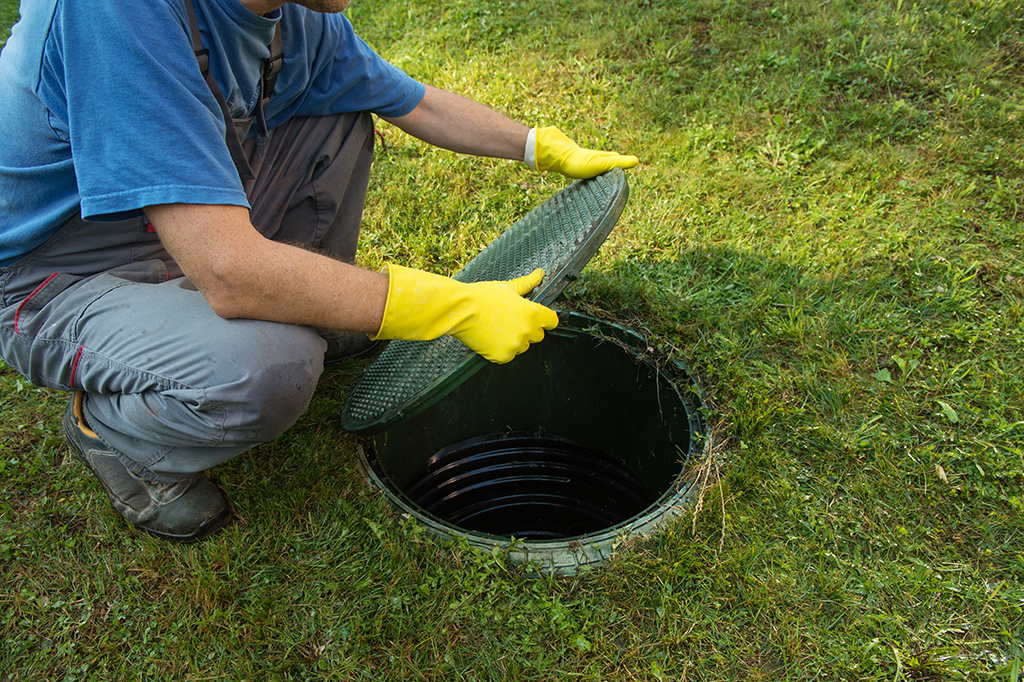
Then comes the physical inspection. Lids opened. Levels checked. Flow observed. Nothing glamorous about it. Sometimes it’s even unpleasant. But that’s the job.
And yeah, everything is trying to figure out one thing: is the system processing waste or just moving it around?
What professionals actually look for during septic tank service
A real inspection isn’t random poking around. There’s structure to it, even if it doesn’t look fancy from the outside.
Technicians check sludge and scum layers inside the tank first. Too much buildup means the system hasn’t been maintained. Not enough separation means something’s off with bacterial breakdown.
Then they look at how water flows in and out. If effluent is leaving the tank too fast or carrying solids, that’s a red flag. That stuff shouldn’t be making it into the drain field.
Because once solids get out there, things start going downhill fast. Clogging, backup, uneven soil absorption. It spirals.
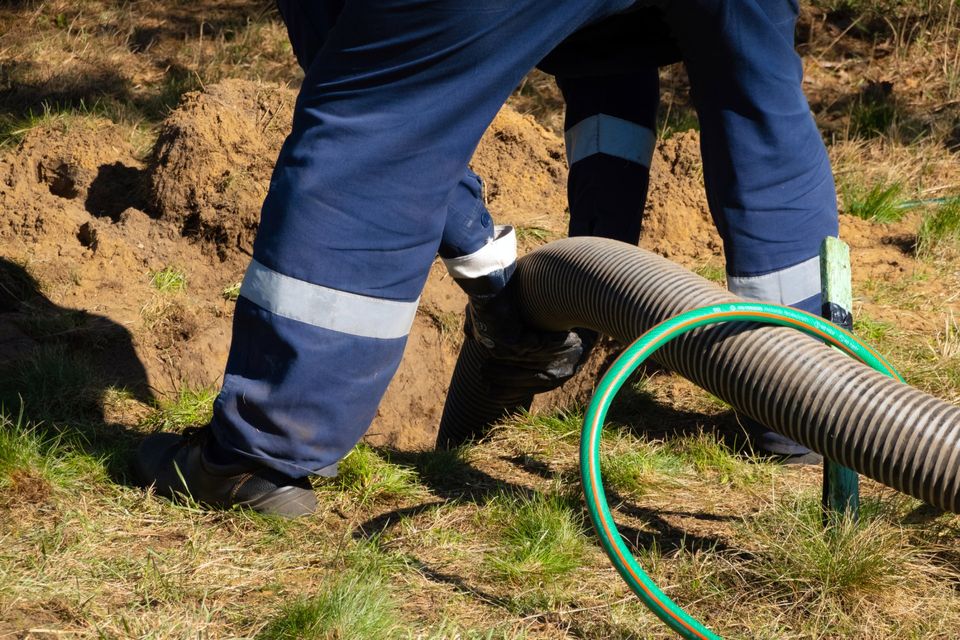
A big part of septic tank service Ludowici GA is catching those early warning signs before they turn into full system failure. Not after.
Signs homeowners miss before a septic problem gets serious
Most septic systems don’t fail loudly. They kind of whisper first. Subtle stuff.
Slow drains in one sink. A toilet that bubbles a little weirdly. A faint smell outside after rain. People usually shrug it off. Life’s busy, right.
But those little signs are often the system telling you it’s under stress.
Another one people miss is patchy grass. Sometimes greener than the rest of the yard, sometimes soggy for no clear reason. That can mean wastewater is reaching the surface or leaking into shallow soil layers.
By the time backups happen inside the house, the system’s been struggling for a while. It didn’t happen overnight. It just wasn’t obvious until it was.
Soil conditions around Ludowici change everything
Here’s something that gets overlooked a lot. The ground your septic system sits in matters just as much as the tank itself.
Around Ludowici, soil can vary. Some areas drain fast, almost too fast. Others hold water longer because of clay-heavy layers. That difference changes how wastewater behaves after it leaves the tank.
If soil drains too quickly, waste might not get filtered properly before moving deeper. If it drains too slowly, the system can back up and saturate the drain field.
Neither is ideal.
Professionals doing septic inspections pay attention to that. Because you can’t diagnose a system without understanding the land it’s sitting in. It all connects, whether people think about it or not.
Tools and methods used in real septic diagnosis
There’s more to septic work than a shovel and a pump truck. Though yeah, those are part of it too.
Technicians use probing tools to locate tank depth and check soil resistance. They open access lids to inspect internal flow patterns. Sometimes they run water tests through the system to see how it responds under load.
In some cases, they trace the drain field layout to understand how wastewater is dispersing underground. That part can get tricky, especially in older properties where records aren’t clear.
Nothing about it is guesswork though. It’s observation, measurement, and experience stacked together.
And honestly, a lot of diagnosis comes down to noticing what doesn’t look right. That part only comes from doing it a long time.
Drain field problems are usually where things break first
The drain field is where everything either works or starts falling apart.
If the tank is the heart, the drain field is the lungs. It has to breathe, absorb, and filter everything coming out of the system.
When it gets clogged, saturated, or overloaded, wastewater stops moving the way it should. That’s when you start seeing surface wet spots or backups inside the home.
Professionals check how quickly the soil absorbs liquid. If it’s too slow, something is blocked. If it’s too fast, something might be broken or bypass filtration entirely.
Either way, it’s not good.
A lot of septic issues in Ludowici trace back to drain field stress that nobody noticed early enough.
Older septic systems in Ludowici are under real pressure
Some homes in the area have systems that have been running for decades. And to be fair, they weren’t built for modern usage.
Back when those systems were installed, households used less water. Fewer appliances. Less constant demand.
Now it’s different. Showers, laundry, dishwashers, sometimes all running daily without pause. That adds up.
Older systems struggle with that load. Not because they’re broken right away, but because they’re slowly being pushed past what they were designed for.
Professionals see this a lot. Systems that “kind of work” but are always one step away from overload. That’s usually where diagnosis becomes important before failure happens.
Weather and heavy rain can expose hidden septic problems
Georgia weather doesn’t really make septic systems easier to manage.
Heavy rain saturates soil quickly. When that happens, the drain field can’t absorb wastewater properly. Everything slows down or backs up.
That creates pressure inside the system. And pressure always finds a way out.
Sometimes it shows up as soggy ground. Sometimes it pushes water back into the home plumbing. Either way, it exposes weak points that were already there.
Professionals often time inspections around weather patterns because systems behave differently depending on soil saturation. A system might look fine in dry conditions and struggle in wet ones.
That’s part of the diagnosis people don’t always think about.
Why professional diagnosis actually matters long-term
Here’s the blunt truth. Septic systems don’t usually fail because of one big event. They fail because small issues get ignored for too long.
A professional diagnosis is basically a reality check. It tells you what’s actually happening underground, not what you assume is happening.
It can catch early drain field stress, tank imbalance, or soil saturation issues before they turn expensive. That’s the real value.
Not guessing. Not waiting for backups. Just knowing where things stand.
And once you know, you can actually fix things before they turn into a full system replacement. That’s the difference.
Conclusion
At the end of the day, septic diagnosis isn’t complicated because the science is mysterious. It’s complicated because everything is hidden underground and people don’t think about it until something goes wrong.
That’s why proper septic tank service Ludowici GA matters more than most homeowners realize. It’s not just maintenance, it’s early detection. It’s reading the system before it starts breaking down in obvious ways.
And when issues do show up, they’re almost always easier to handle if they’re caught early through inspection rather than after a failure.
No shortcuts here. Systems need attention, even when they seem fine.
And yeah, regular septic tank pumping still ends up being the backbone of keeping everything running like it should.