A lot of machine shops burn through coolant way too fast and honestly, most of it comes down to contamination. Tiny metal fines, grinding dust, sludge buildup, oil residue. All that junk keeps circulating through the system and slowly wrecks the coolant. Then people wonder why the machines smell bad, tools wear out faster, or parts come off looking rough. Happens all the time.
That’s where cutting oil filtration systems really start paying for themselves. They clean out the trash before it turns into a bigger problem. Cleaner coolant lasts longer. Pretty simple idea, but many operations still overlook it because they focus only on production speed. Bad move. If coolant quality drops, machining quality usually follows right behind it.
A decent filtration setup also reduces maintenance headaches. Less downtime. Fewer tank cleanouts. Workers aren’t standing around draining nasty coolant every couple weeks. It saves money in quiet ways that add up fast.
Why Contaminated Coolant Breaks Down So Quickly
Coolant isn’t meant to handle endless contamination. Once metal particles start floating around inside the tank, they keep getting recirculated through pumps, tooling, and workpieces. Over time, the coolant chemistry changes. Heat builds up faster too, especially during heavy machining cycles.
That dirty mix creates bacteria growth and foul odors nobody wants near the shop floor. Operators notice it immediately. Machines start looking grimy. Surface finishes get inconsistent. Even tool life drops because abrasive particles keep rubbing against cutting edges all day long.
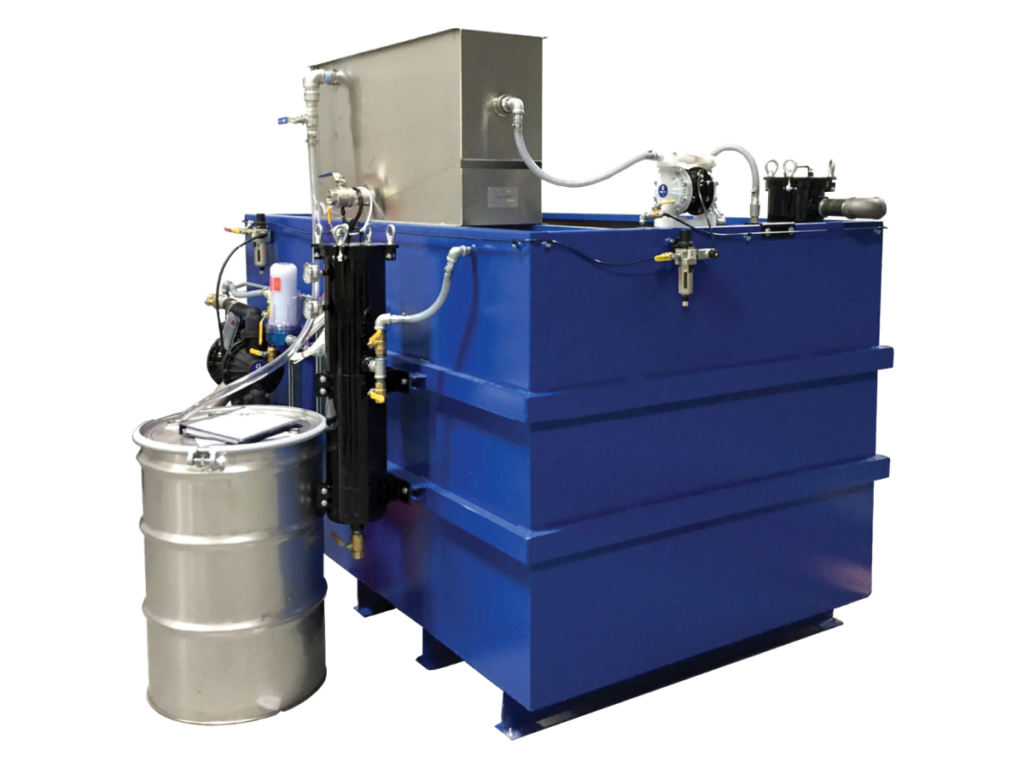
Cutting oil filtration systems help stop that chain reaction before it gets ugly. They continuously remove contaminants while the coolant stays in operation. Some setups filter magnetic particles, others separate tramp oil, and many systems combine several filtration stages together. Depends on the application really.
Without filtration, coolant becomes disposable much sooner. And coolant isn’t cheap anymore. Neither is machine downtime.
High Flow Filter Systems Keep Machines Running Longer
One thing shops are paying closer attention to lately is flow capacity. Older filtration units sometimes struggle during high-volume production because they can’t process coolant fast enough. That creates bottlenecks and inconsistent filtration performance.
A high flow filter solves a lot of those issues. It handles larger coolant volumes without slowing down circulation. More importantly, it keeps contaminants from building up during heavy production runs. That matters in CNC machining environments where machines run nonstop for hours, sometimes days.
The better high flow filter systems also reduce pressure drops inside the coolant loop. That keeps pumps operating more efficiently. Less stress on equipment. Less wear over time. Operators usually notice the difference pretty quickly because coolant stays clearer and machine temperatures stay more stable.
And honestly, stable coolant makes machining easier. Fewer surprises. Less tweaking settings every shift trying to compensate for dirty fluid.
Better Surface Finishes Start With Cleaner Coolant
People often blame tooling first when surface finishes look rough. Sometimes it’s the insert. Sometimes feeds and speeds are wrong. But dirty coolant can absolutely wreck surface quality too.
Metal fines suspended inside coolant act like microscopic abrasives. They keep circulating across freshly machined surfaces and cutting tools. That leads to scratches, chatter marks, and inconsistent finishes. Especially on precision parts where tolerances are tight.
Using cutting oil filtration systems helps remove those damaging particles before they get recirculated again. Cleaner coolant provides better lubrication and more consistent cooling at the cutting zone. You end up with smoother finishes and more predictable machining performance overall.
Shops producing aerospace parts, automotive components, or medical equipment already know this. Surface consistency matters big time in those industries. You can’t fake precision with contaminated coolant.
Filtration Helps Extend Tool Life Too
Tooling costs hurt. Carbide inserts aren’t getting cheaper and neither are specialty cutting tools. So when shops figure out ways to squeeze more life from tooling, they usually jump on it fast.
Coolant filtration plays a larger role here than some people think. When contaminants stay inside the coolant, they continuously contact cutting edges during machining. That extra abrasion wears tools down faster. Heat buildup makes it even worse.
A properly sized high flow filter reduces particle concentration significantly, which lowers abrasive wear on tooling. Tools stay sharper longer. Operators spend less time changing inserts or adjusting offsets because dimensions drifted.
Even spindle health improves sometimes because cleaner coolant reduces debris circulating through seals and internal components. It’s one of those things where the benefits spread across the whole operation, not just one area.
Shops Are Trying To Reduce Waste And Disposal Costs
Disposing of used coolant is expensive and getting more regulated in many places. Shops don’t just dump it anymore and move on. There are environmental rules, hauling fees, treatment costs, paperwork. It adds up fast.
That’s another reason cutting oil filtration systems are becoming more common across manufacturing facilities. By extending coolant life, companies generate less waste fluid overall. Some operations double or even triple coolant lifespan with proper filtration and maintenance practices.
That reduction matters financially. But it also helps companies improve sustainability goals without making dramatic operational changes. Cleaner systems consume fewer resources over time. Less coolant purchased. Less waste removed. Less downtime during fluid changes.
Honestly, it’s one of the more practical upgrades a shop can make because the savings hit multiple categories at once.
Choosing The Right Filtration Setup Matters
Not every filtration system works for every machine shop. That part gets overlooked sometimes. A small grinding operation has completely different coolant demands compared to a large CNC production facility running multiple machining centers around the clock.
Some shops need magnetic separators because ferrous particles dominate their waste stream. Others benefit more from paper media filtration or centrifugal separators. In heavier production environments, a high flow filter often becomes necessary simply because coolant volume is too large for smaller systems.
Flow rate, micron rating, coolant type, machine count. All of it matters during system selection.
And honestly, going too cheap usually backfires. Undersized systems clog faster and fail to maintain consistent filtration. Then people assume filtration doesn’t work when really the setup was wrong from the start.
Modern Manufacturing Depends On Coolant Stability
Manufacturing today runs faster than it used to. Machines push harder. Tolerances tighten up. Production schedules barely leave room for downtime anymore. Coolant stability becomes critical under those conditions.
That’s why more facilities are investing in cutting oil filtration systems instead of treating coolant like a disposable utility. Cleaner coolant supports better machining performance across the board. Better finishes. Longer tool life. Reduced maintenance. Lower operating costs.
The shops seeing the biggest benefits are usually the ones treating coolant management as part of production strategy, not just maintenance cleanup. Makes a difference.
Because once coolant quality drops, everything else slowly starts slipping too. And production problems tend to snowball after that.
Conclusion
Cutting oil filtration systems do a lot more than just clean dirty coolant. They help shops extend coolant lifespan, improve machining quality, protect tooling, and reduce overall operating costs. Pairing the right system with a reliable high flow filter keeps coolant cleaner during demanding production cycles and helps machines perform more consistently over time.
For modern manufacturing operations trying to stay competitive, coolant filtration isn’t some extra luxury anymore. It’s becoming part of running an efficient shop. Simple as that.
FAQs
How do cutting oil filtration systems improve coolant life?
Cutting oil filtration systems remove metal particles, tramp oil, sludge, and other contaminants from coolant. Cleaner coolant breaks down slower, stays chemically stable longer, and performs better during machining operations.
What does a high flow filter do in coolant systems?
A high flow filter processes larger volumes of coolant quickly while maintaining strong filtration performance. It helps prevent contaminant buildup during high-production machining environments.
Can dirty coolant damage cutting tools?
Yeah, absolutely. Contaminated coolant carries abrasive particles that wear down cutting edges faster. That leads to shorter tool life, rougher finishes, and more frequent insert changes.
Are coolant filtration systems worth the investment?
For most machine shops, yes. Reduced coolant replacement costs, lower downtime, improved tool life, and better machining consistency usually provide long-term savings that outweigh the initial equipment cost.
How often should coolant filtration systems be maintained?
Maintenance depends on machine usage, coolant type, and contamination levels. Most systems need regular filter inspections and periodic cleaning to keep filtration performance consistent.