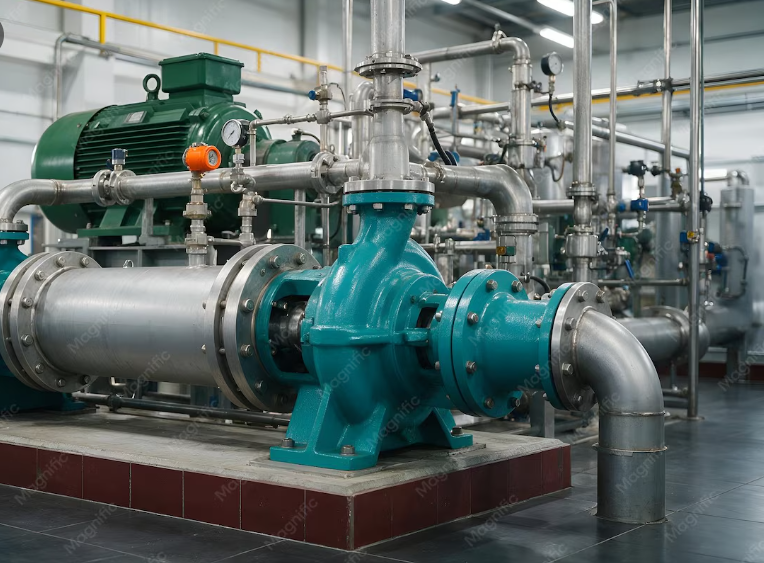
One of considerations when examining chemical processes is energy efficiency. Heating and cooling process fluids can use considerable excess energy. When heat is transferred from one process fluid to another, a CPK heat exchanger can help to optimize the energy demands of the process by maintaining the necessary operating temperatures.
Efficient Heat Transfer in Chemical Processing
Diverse streams within a chemical plant often operate at various temperatures, pressures, and flow rates. Heat exchangers may be employed to transfer energy from one hot process stream to another, which would otherwise be lost to the environment. This process enables more effective utilization of thermal energy and decreases the size of necessary heaters and coolers.
Maintaining Process Temperature
If a heat exchanger is correctly chosen, it may be used to keep the temperature constant during a chemical process. The temperature change is essential for some reactions, separating processes, evaporation, condensation or any other kind of operation.
Ways to Improve Energy Efficiency
The presence of a range of parameters that bear upon the energy performance in fact heat transfer equipment in chemical processing,:
- Sizing correctly- this can help deliver the required heat transfer with the minimum equipment size possible.
- Capabilities for using appropriate material can ensure dependable operation within harsh chemical environments.
- Flow design can be optimized so that the leading edges of the process fluids are brought together which can enhance the heat transfer.
- Routine inspection and cleaning can help to minimize effects of fouling and deposits.
- Monitoring variations in temperature and flow conditions will allow us to observe performance degradation.
Reducing Heat Loss
An efficient heat transfer can reduce energy lost during processing, thus, less electrical energy is needed to be supplied from heaters, boilers, chillers or other utility systems.
Heat Recovery in Chemical Plants
Recovery of heat Another key method of increasing the overall efficiency is recovering the heat. A hot process stream leaving one stage may still have a considerable amount of thermal energy left and instead of the heat being wasted, it could be used to heat another stream.
Lowering Utility Consumption
Harvest of available Process heat Through recovery of the heat generated in processing it is possible to decrease the need for external heat and cooling utility. In case of continuous chemical processing where equipment is run for a longer time, even minor enhancement in Thermal efficiency can lead to Energy saving.
Supporting Reliable Process Operation
Efficiency is also related with the smooth operation of the process. The operation of processes is more efficient in terms of temperature control in heat transfer equipment which is properly designed, used and maintained.
Factors Affecting Performance
Operating conditions should be considered when selecting equipment. Important factors include:
- Physical properties of the fluids
- Operating temperature: The operating temperature should be kept between the minimum and maximum limits if the package is to perform as specified.
- Required pressures:
- Flow rate, which together with the velocity determines the mass transfer coefficient.
- Difference in temperature. The energy flow is defined as the product of the energy flow rate through the time interval of each step of the process and its duration. So temperature difference:
- Fouling potential}
- Available space for installation
- Compatible materials Please note. Certain very aggressive materials are not compatible with some materials used in the pump (although in practice these would more than likely be separated in the process). Also the components of the pump are not compatible with all chemical solvents.
All of these aspects could affect the heat transfer capability and the equipment performance.
Importance of Regular Maintenance
The importance of the actual condition of the equipment affecting heat transfer should not be forgotten. Fouling, corrosion, leaks and flow restrictions also have the potential to over a period of time reduce thermal efficiency. Regular checking and maintenance can identify issues before they have a major effect on process performance.
Monitoring Equipment Performance
Monitoring operating temperatures, pressure differentials, flow rates, and other process parameters can give an indication of equipment operating conditions. Fluctuations may be an indicator of fouling, plugging, or other problems.
Conclusion
Chemical processing plants can potentially use effective thermal management to reduce their energy consumption and obtain a reliable thermal process. Heat exchangers, along with appropriate operating conditions and maintenance, can provide a means of ensuring the equipment performs effectively. With an appropriate use of existing process energy, a chemical plant can ensure more stable production. The effective selection of heat exchangers that are appropriate to the process can also aid the energy cost-effective operations.
Frequently Asked Questions
1. How does a CPK heat exchanger improve energy efficiency?
It is capable of efficiently transferring thermal energy for process fluids, therefore assisting in decreasing the excessive heating and cooling demand and maintaining steady process temperatures.
2. Why is heat recovery important in chemical processing?
Recovering the heat in hot process streams is a way of reclaiming valuable energy that otherwise would be disposed of as waste. It can lead to reducing the consumption of utilities.
3. What factors affect heat exchanger efficiency?
The heat transfer performance is influenced by factors such as temperature, pressure, flow rate, properties of the fluid and the fouling, material selection, size of equipment and the flow organization.
4. How does maintenance affect energy efficiency?
Fouling, deposits, corrosion, and restricted flow can all cause a reduction in heat transfer. Inspection and cleaning can be performed periodically to ensure efficient operation.
5. Can efficient heat transfer reduce operating costs?
Yes. A higher thermal efficiency could lessen the utility of heating and cooling, therefore, freeing out the energy to be used more economically.