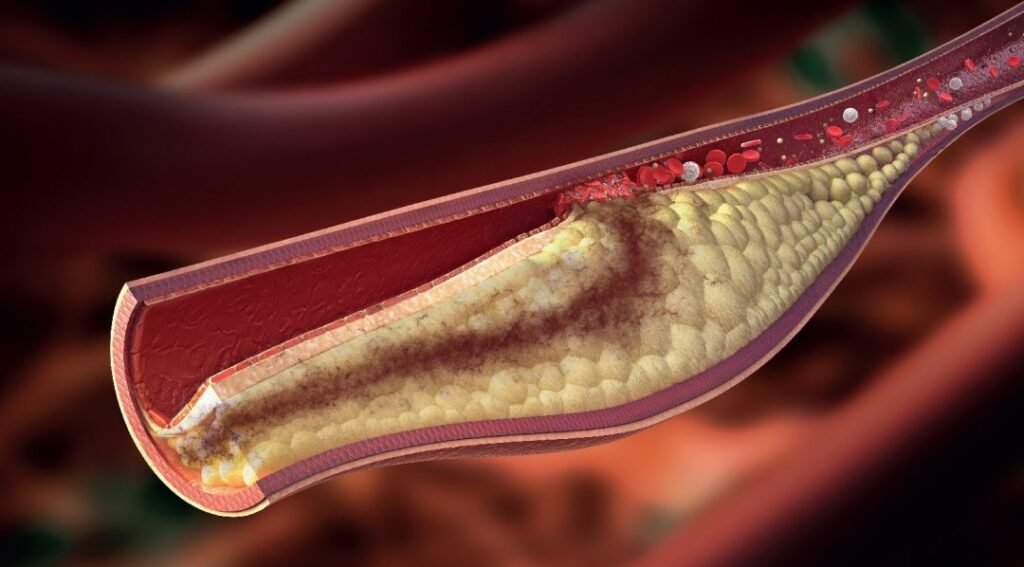
High Cholesterolemia Dubai is a common health concern that can develop without obvious warning signs. Cholesterol is a waxy, fat-like substance that the body needs for essential functions, including producing hormones and building cell membranes. However, when certain types of cholesterol remain elevated for an extended period, they may contribute to the development of plaque within the arteries.
One of the challenging aspects of high cholesterol is that many people feel completely well even when their cholesterol levels are above the recommended range. For this reason, understanding possible symptoms, knowing when medical evaluation may be appropriate, and having cholesterol levels checked regularly can be important aspects of preventive healthcare.
Dr. Barbara focuses on assessing patients as individuals, considering their health history, lifestyle, existing conditions, and laboratory findings when evaluating cholesterol concerns. While symptoms alone cannot confirm high cholesterol, certain changes or health findings may indicate that a medical assessment is appropriate.
What Is High Cholesterolemia?
High cholesterolemia refers to having an excessive level of cholesterol in the blood. Cholesterol travels through the bloodstream with the help of lipoproteins, primarily low-density lipoprotein (LDL) and high-density lipoprotein (HDL).
LDL is often referred to as “bad” cholesterol because elevated levels can contribute to plaque formation in the arteries. HDL is commonly known as “good” cholesterol because it helps transport cholesterol away from the bloodstream toward the liver for processing.
A cholesterol assessment may include measurements of total cholesterol, LDL cholesterol, HDL cholesterol, and triglycerides. A healthcare professional may interpret these results alongside other factors rather than considering a single number in isolation.
Why Can High Cholesterol Be Difficult to Recognize?
High cholesterol frequently does not cause noticeable symptoms. A person can have elevated cholesterol for years without experiencing pain, tiredness, or other specific warning signs.
This means that waiting for symptoms before checking cholesterol may not provide a reliable way to identify the condition. Routine blood testing can help detect changes before they become associated with more significant cardiovascular concerns.
The absence of symptoms does not necessarily mean that cholesterol levels are healthy. Similarly, having a symptom does not automatically mean that high cholesterol is the cause. Medical evaluation can help distinguish cholesterol-related concerns from other health conditions.
Which Symptoms May Require Medical Evaluation?
Although high cholesterol itself is usually silent, certain symptoms or physical findings can indicate that a person should seek medical attention. These symptoms may reflect cardiovascular or vascular problems rather than cholesterol directly.
Chest Discomfort
Unusual chest pressure, tightness, heaviness, or discomfort should be medically evaluated, particularly when it occurs during physical activity or is accompanied by other symptoms.
Chest symptoms can have many possible causes. A healthcare professional can determine whether further cardiovascular assessment is necessary.
Shortness of Breath
Unexpected breathlessness, particularly during routine activities, may warrant medical evaluation. Shortness of breath can occur for numerous reasons, including cardiovascular and respiratory conditions.
If breathlessness is new, persistent, or occurs alongside chest discomfort, medical assessment is especially important.
Unusual Fatigue
Persistent or unexplained fatigue may sometimes occur alongside cardiovascular problems, although fatigue has many possible causes. It should not automatically be attributed to cholesterol.
When fatigue is ongoing or accompanied by other changes in health, discussing it with a healthcare professional can help identify the underlying cause.
Pain or Discomfort During Physical Activity
Discomfort in the chest, arms, shoulders, neck, jaw, or upper body during physical exertion may require medical assessment. Such symptoms can sometimes be associated with reduced blood flow.
Rather than assuming that these symptoms are simply related to exercise or tiredness, obtaining professional advice can help determine whether further evaluation is appropriate.
Sudden Neurological Symptoms
Sudden weakness, numbness, difficulty speaking, confusion, problems with vision, or difficulty maintaining balance require urgent medical attention.
These symptoms can indicate a serious neurological event and should not be ignored or attributed to cholesterol without immediate assessment.
Can Physical Signs Indicate High Cholesterol?
In some people with significantly elevated cholesterol, physical signs may occur. These are not present in everyone and should be evaluated by a healthcare professional.
One possible finding is xanthomas, which are deposits of cholesterol that can appear as firm, yellowish areas under the skin. They may develop around tendons, joints, or other areas.
Another possible finding is xanthelasma, which refers to yellowish cholesterol deposits that commonly appear around the eyelids.
A pale or whitish ring around the outer edge of the cornea, known as corneal arcus, may also be observed. Although these physical findings can have different explanations depending on age and other factors, their presence may prompt a healthcare professional to recommend cholesterol testing.
When Should You Consider a Cholesterol Test?
A cholesterol test may be appropriate even when there are no symptoms. Routine screening can help identify elevated cholesterol before a person develops noticeable health problems.
Testing may be particularly relevant when there is a personal or family history of abnormal cholesterol levels or cardiovascular disease. Other health and lifestyle factors can also influence cholesterol levels and may affect how frequently testing is recommended.
A healthcare professional can determine an appropriate testing schedule based on individual circumstances.
What Happens During a Cholesterol Evaluation?
A medical evaluation generally begins with a discussion of the patient’s health history and any symptoms or concerns.
The healthcare professional may ask about:
- Previous cholesterol results
- Family history
- Dietary habits
- Physical activity
- Weight changes
- Smoking or tobacco exposure
- Existing medical conditions
- Current medications
- Previous cardiovascular problems
A blood test may then be recommended to measure the lipid profile. Depending on the circumstances, additional assessments may be considered to understand overall cardiovascular health.
The results are interpreted as part of the broader clinical picture. A cholesterol level that appears elevated on its own does not necessarily provide the complete picture of an individual’s health.
How Is High Cholesterol Identified?
The primary method of identifying high cholesterol is a blood test. A lipid profile can provide information about different forms of cholesterol and triglycerides.
The healthcare professional may compare the results with the individual’s overall cardiovascular profile. Factors such as age, blood pressure, family history, lifestyle, and other medical considerations can influence how the results are interpreted.
This individualized approach is useful because cholesterol management is not necessarily identical for every person.
Why Is Family History Important?
Genetics can influence cholesterol levels. Some individuals inherit conditions that cause unusually high LDL cholesterol, sometimes from a young age.
A strong family history of high cholesterol or cardiovascular disease may therefore be an important reason to discuss cholesterol screening with a healthcare professional.
If close family members have been diagnosed with significantly elevated cholesterol, sharing this information during a medical consultation can help guide appropriate evaluation.
How Can Lifestyle Affect Cholesterol?
Several lifestyle factors can influence cholesterol and triglyceride levels. Dietary patterns, physical activity, body weight, smoking, and alcohol consumption may all play a role.
A heart-conscious eating pattern can include vegetables, fruits, whole grains, legumes, nuts, and other nutrient-rich foods. Reducing excessive intake of saturated and trans fats may also support healthier cholesterol levels.
Regular physical activity can contribute to overall cardiovascular health and may have a positive effect on lipid levels.
Lifestyle changes should be realistic and sustainable. A healthcare professional can help determine which changes are most appropriate based on an individual’s circumstances.
What Role Does Medical Follow-Up Play?
Managing high cholesterol is not always a one-time process. Follow-up can help determine whether cholesterol levels are changing over time and whether the current management approach remains appropriate.
Repeat blood testing may be recommended after lifestyle changes or other interventions. The timing can vary depending on the individual’s cholesterol levels, health history, and treatment plan.
Regular follow-up also provides an opportunity to discuss new symptoms, medication-related questions, and changes in health.
When Should Symptoms Be Taken Seriously?
Symptoms that appear suddenly, are severe, or occur together should receive appropriate medical attention. Chest pressure, severe breathlessness, fainting, sudden neurological changes, or unexplained weakness should not be ignored.
It is important to remember that high cholesterol itself is generally not a condition that produces a recognizable day-to-day symptom pattern. Instead, symptoms may indicate another health issue that requires assessment.
For this reason, medical evaluation should focus on identifying the underlying cause rather than assuming that every symptom is related to cholesterol.
What Can You Discuss With Dr. Barbara?
During a consultation with Dr. Barbara, patients can discuss concerns about cholesterol levels, previous laboratory results, family history, lifestyle factors, and any symptoms they have noticed.
A consultation can help clarify whether cholesterol testing is appropriate and whether additional health assessments may be useful.
Patients can also ask questions about their lipid results and what the findings mean in the context of their overall health. This can make it easier to understand the next steps rather than focusing on a single cholesterol measurement.
Conclusion
High cholesterolemia Dubai can be difficult to recognize because elevated cholesterol often develops without noticeable symptoms. However, certain physical findings and symptoms such as chest discomfort, unexplained breathlessness, persistent fatigue, exertional discomfort, or sudden neurological changes may require medical evaluation.
Routine cholesterol testing remains an important way to identify elevated levels, particularly when a person has relevant family history or other factors that may influence cardiovascular health. A professional assessment can review laboratory results alongside lifestyle, medical history, and other health factors.
If you are concerned about your cholesterol or have experienced unexplained symptoms, discussing them with Dr. Barbara can help determine whether testing or further evaluation is appropriate.
Frequently Asked Questions
What are the common symptoms of high cholesterol?
High cholesterol usually does not produce obvious symptoms. It is commonly identified through a blood test rather than by how a person feels.
Can high cholesterol cause chest pain?
High cholesterol itself generally does not directly cause chest pain. However, cholesterol-related plaque in the arteries can contribute to cardiovascular problems that may produce chest discomfort, which should be medically evaluated.
How is high cholesterol diagnosed?
High cholesterol is diagnosed primarily through a blood test called a lipid profile. The results may include total cholesterol, LDL cholesterol, HDL cholesterol, and triglycerides.
Can high cholesterol cause tiredness?
Tiredness is not a specific symptom of high cholesterol. Persistent or unexplained fatigue can have many causes and should be discussed with a healthcare professional if it continues.
Can high cholesterol cause shortness of breath?
High cholesterol does not typically cause shortness of breath directly. However, breathlessness can be associated with various cardiovascular or other medical conditions and may require professional evaluation.
What physical signs can be associated with high cholesterol?
Some people with very high cholesterol may develop xanthomas, xanthelasma, or corneal arcus. These findings do not occur in everyone and should be assessed by a healthcare professional.
Should I get my cholesterol checked even if I feel healthy?
Yes. Because high cholesterol can be present without symptoms, routine blood testing can help identify abnormal levels even when a person feels well.
Does family history affect cholesterol levels?
Yes. Genetic factors can influence cholesterol levels, and some inherited conditions can result in particularly high LDL cholesterol. Informing your healthcare professional about relevant family history can support appropriate evaluation.
How often should cholesterol be tested?
The appropriate testing interval varies from person to person. It can depend on age, previous cholesterol results, family history, existing health conditions, and other cardiovascular factors. A healthcare professional can recommend an appropriate schedule.
What should I do if my cholesterol test is high?
If a cholesterol test shows elevated levels, discuss the results with a healthcare professional. They can interpret the findings in context and determine whether lifestyle changes, monitoring, or other management may be appropriate.