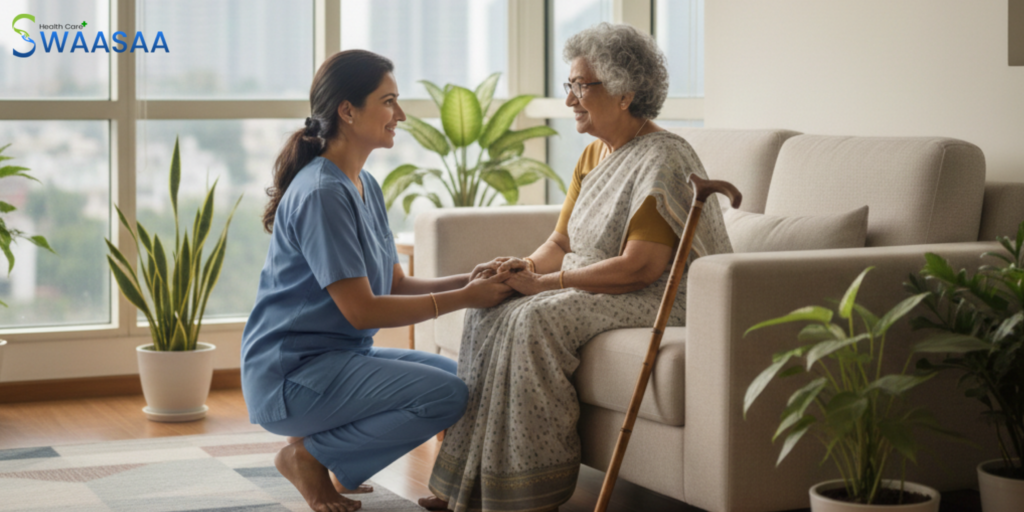
The face of healthcare in 2026 has evolved dramatically, and the focus is on a personalized, patient-centric model. Hospitals are undoubtedly the place to be in case of a medical emergency or a surgical intervention that requires specialized care, but the real rehabilitation begins the moment the patient returns to the comfort and safety of their own abode. The transition from a medical setting to a domestic setting is always a daunting task for the patient, and the family is no exception. It is in this context that the role of an attendant for patients at home assures great help.
Rehabilitation is not just a physical phenomenon, and the presence of familiar surroundings and people can definitely contribute to a quicker turnaround, provided medical care is given the highest priority.
Why Home-Based Care is the Future of Recovery
The “Home-First” method is becoming popular around the globe because it minimizes the chances of infections and tackles mental exhaustion that comes with staying in a sterile environment. In addition, for old patients or those recovering from surgeries such as hip replacement or heart surgery, having an attendant for a patient at home guarantees that the recovery process is carried out strictly without mental exhaustion.
Home healthcare has moved beyond being a form of companionship for patients by 2026. It has become a sophisticated form of care that includes:
- Vitals Monitoring: This is a process of monitoring blood pressure, oxygen levels, and glucose levels.
- Medication Management: This is a process that ensures a patient gets the correct medication at appropriate intervals.
- Mobility Support: This is a process that helps a patient get up and move around to avoid bedsores and promote blood flow by walking or doing some form of physio exercises.
- The Human Element: More Than Just Medical Assistance
One of the biggest challenges that families face when a loved one is not well is the “caregiver burnout.” The family has to contend with the pressure of work life in addition to the pressure of caring for the patient at home. Engaging the services of a professional attendant for the patient at home gives the family a much-needed break, knowing that the patient is in the hands of professional caregivers.
Professional attendants are trained in the “Art of Empathy.” A patient may be going through a lot of pain and frustration when he is not well, either because of a chronic illness or because of post-operative pain. A professional attendant is a motivator to the patient. The attendant helps the patient to stay positive in spite of his condition.
Specialized Care for Complex Conditions
Not all home care needs are the same. The level of expertise required may vary depending on the diagnosis of the patient.
-
Post Operative Recovery
The recovery process after surgery is important in the first few weeks. The wound should be properly cared for to avoid any chances of infection. The attendant should be trained to take proper care of the wound and should be able to report any signs of inflammation or fever to the primary doctor.
-
Elderly and Geriatric Support
The aging process involves a decline in physical and mental activities in humans. For families dealing with Alzheimer’s or dementia in parents, it is important to have an attendant for patients at home to ensure that the environment is safe for the patients. The attendant ensures that patients with dementia or Alzheimer’s have proper “Activities of Daily Living” (ADL), including bathing, grooming, and feeding.
-
Palliative and Chronic Support
For patients with chronic diseases like cancer or failing organs in the body, palliative care becomes important to improve their quality of life. The patients should be allowed to spend their time in a peaceful environment at home with proper care by professionals to provide palliative care at its best.
Choosing the Right Home Healthcare Partner
When inviting a person into your home to care for a vulnerable member of your family, trust and verification are two of the most critical issues to be considered. You need a partner that can offer you “caregivers,” not just “staff.”
Some of the key criteria to look for include:
- Verification of Background: Ensuring that every member of their staff has a clean record and a history of reliability.
- Continuous Training: Ensuring that every caregiver is aware of the latest methods and practices for hygiene, emergency response, and equipment handling.
- Supervision: Ensuring that every patient has a nursing supervisor to monitor their progress and that of their attendant.
The Economic and Social Impact of Home Care
From an economic standpoint, home care is far more cost-effective than keeping a patient in a hospital bed. It allows hospital beds to be made available for patients who require acute care while providing high-quality care at a fraction of the cost. Socially, it allows families to stay together. It allows a grandfather to watch his grandchildren play while he recuperates from a stroke, or a mother to stay in her garden while coping with her physiotherapy.
Conclusion: A Seamless Path to Wellness
The path to wellness is not always smooth sailing, as it has its ups and downs, challenges, and victories. The presence of professional medical assistance in the home enables the patient to feel comfortable, supported, and empowered in the healing process. It may be a short-term arrangement for minor procedures or a long-term arrangement for chronic care, but the right assistance can make all the difference in the world.
Swaasaa is the name to rely on when it comes to providing the highest level of professional medical assistance directly to your home. As one of the leading home health care services in the Tricity region, they specialize in providing the much-needed assistance in the transition from hospital to full recovery. Their team of certified medical professionals is trained to deliver a holistic care experience that caters to the physical as well as the emotional needs of the patient. By choosing to work with them, you do not simply get an attendant for patients at home; you get a partner in the health journey of your family, dedicated to “Healing with Heart.”