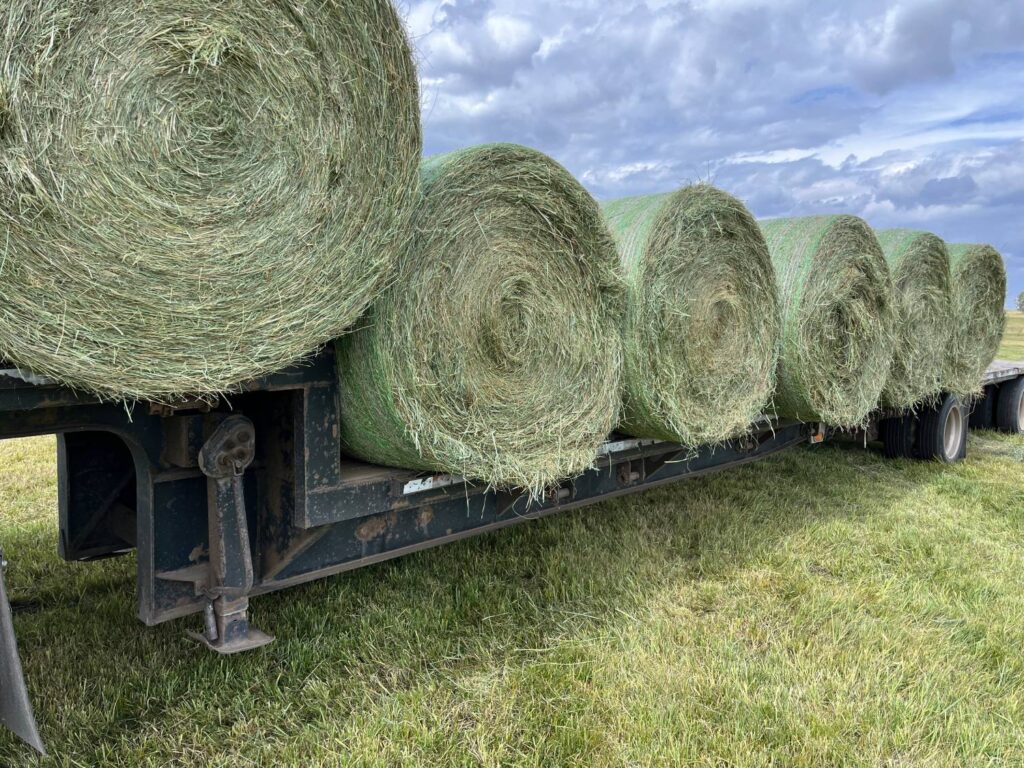
Finding high-quality hay for sale is essential for livestock owners, farmers, and equine enthusiasts. Whether you are feeding horses, cows, sheep, or small animals, choosing the right type of hay directly impacts animal health, productivity, and overall farm efficiency. Today, with platforms like Harris Hay Farm offering online purchasing options, sourcing premium hay has become easier than ever.
This guide explores everything you need to know about hay bales for sale, including types, bale sizes, pricing, and how to buy hay online from trusted suppliers.
Understanding Hay and Its Importance
Hay is dried grass or legumes used as animal feed, especially when fresh pasture is unavailable. High-quality hay provides essential nutrients like fiber, protein, and energy, making it a cornerstone of livestock diets.
There are three main categories of hay:
- Grass hay (e.g., Timothy hay, Bermuda hay)
- Legume hay (e.g., Alfalfa hay)
- Mixed hay (combination of grasses and legumes)
Each type serves different nutritional needs depending on the animal.
Types of Hay Bales Available
1. Timothy Hay Bales
Timothy hay is one of the most popular choices, especially for horses and small animals.
- High fiber, low protein
- Supports digestion and gut health
- Ideal for adult horses and maintenance diets
Timothy hay is known for its balanced nutritional profile and digestibility, making it a safe daily feed.
2. Alfalfa Hay Bales
Alfalfa hay (also called lucerne) is a nutrient-rich legume hay.
- High protein and calcium
- Excellent for dairy cows and young animals
- Boosts milk production and growth
Because of its richness, alfalfa is often used as a supplement rather than a primary feed.
3. Bermuda Hay Bales
Bermuda hay is a widely used grass hay, especially in warmer climates.
- Moderate fiber and protein
- Cost-effective feeding option
- Suitable for horses and cattle
This type is often labeled as Coastal Bermuda hay when grown in coastal regions.
4. Oat and Mixed Hay
Mixed hay combines grasses and legumes for a balanced feed.
- Versatile for multiple livestock types
- Provides moderate protein and fiber
- Commonly used for general feeding
Mixed hay options like oat and Bermuda blends are ideal for farms with diverse livestock needs.
Types of Hay Bales by Size
Small Square Bales
- Weight: 40–75 lbs
- Easy to handle manually
- Ideal for small farms and horse owners
Large Round Bales
- Weight: 800–1200+ lbs
- Efficient for bulk feeding
- Common for cattle operations
Round bales are designed for easy storage and transport, making them popular among large-scale farmers.
Large Square Bales
- High-density and stackable
- Suitable for commercial farms
- Easier to transport than round bales
Choosing the right bale size depends on your farm size, feeding system, and storage capacity.
Hay for Horses vs Hay for Cows
Hay for Horses
Horses require:
- High fiber
- Low to moderate protein
- Clean, dust-free hay
Timothy hay is often the top choice for horses because it supports digestion and prevents issues like colic.
Hay for Cows
Cattle, especially dairy cows, benefit from:
- Higher protein levels
- Energy-rich feed
- Consistent supply
Alfalfa hay is widely preferred for cows due to its high nutritional value and ability to support milk production.
Buying Hay Online
With modern suppliers like Harris Hay Farm, you can now buy hay online with ease.
Advantages of Buying Online:
- Access to premium hay varieties
- Bulk purchasing options
- Delivery to your farm
- Transparent pricing
Online platforms also allow you to compare options such as:
- Timothy hay bales
- Alfalfa hay bales
- Bermuda hay bales
This simplifies sourcing for both small farms and large agricultural operations.
Current Hay Prices and Cost Factors
Hay prices vary widely depending on several factors:
1. Type of Hay
- Timothy hay: Premium pricing
- Alfalfa hay: Slightly lower or comparable
- Bermuda hay: More affordable
2. Bale Size
- Small square bales: Higher cost per unit
- Large round bales: Lower cost per ton
3. Quality
- Premium hay (green, leafy, low dust) costs more
- Lower-grade hay is cheaper but less nutritious
4. Market Demand
Seasonal demand significantly affects pricing.
Hay Price Per Ton vs Per Bale
Understanding pricing units is crucial:
Price Per Bale
- Easier for small buyers
- Depends on bale size and weight
Price Per Ton
- Preferred for bulk buyers
- More cost-effective
For example:
- Small farms often buy per bale
- Large farms prefer per ton for efficiency
How to Choose Premium Hay
When selecting hay, look for these quality indicators:
1. Color
- Bright green indicates freshness
- Yellow or brown suggests poor quality
2. Smell
- Fresh, sweet aroma is ideal
- Musty smell indicates mold
3. Texture
- Soft and leafy hay is better
- Avoid overly coarse or dusty hay
4. Moisture Content
Properly dried hay prevents mold and spoilage.
Premium hay from trusted suppliers is carefully processed to maintain nutritional value and storage quality.
Hay Suppliers and Global Market
The hay industry is global, with suppliers exporting products worldwide.
Many suppliers offer:
- Bulk hay shipments
- Custom bale sizes
- International delivery
Global suppliers distribute hay to regions like the Middle East, Asia, and Europe, ensuring consistent availability.
Storage Tips for Hay Bales
Proper storage is essential to maintain quality:
- Keep hay in dry, ventilated areas
- Avoid direct contact with soil
- Protect from rain and moisture
- Stack properly to allow airflow
Improper storage can lead to mold, nutrient loss, and waste.
Why Choose Premium Hay?
Premium hay ensures:
- Better animal health
- Higher productivity (milk, growth, performance)
- Reduced veterinary costs
Investing in quality hay is not just about feeding—it’s about maximizing your farm’s output and sustainability.
Final Thoughts
Whether you’re searching for hay for sale, timothy hay bales, or alfalfa hay for cows, choosing the right supplier and hay type is crucial. Trusted platforms like \ make it easy to buy hay online, offering a wide selection of premium options tailored to different livestock needs.
From small square bales for horse owners to large round bales for commercial farms, understanding your requirements will help you make the best decision. By focusing on quality, proper storage, and reliable suppliers, you can ensure your livestock receives the nutrition they need year-round.
