Hair Transplant Before and After: Why Hair Type, Age, and Hair Loss Pattern Matter
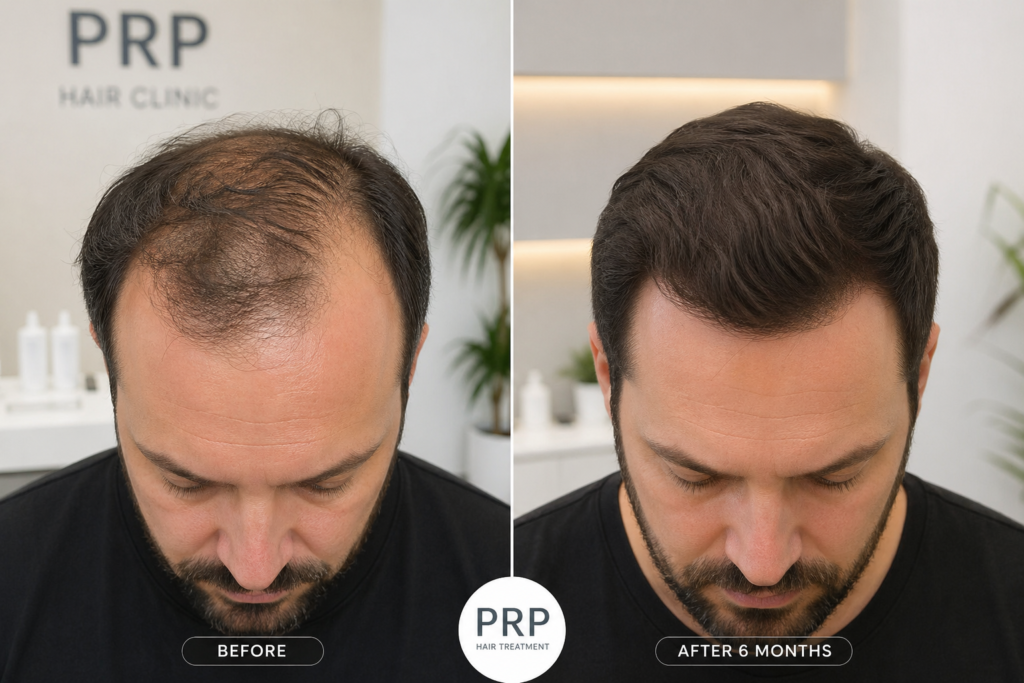
Hair transplantation has become one of the most reliable and permanent solutions for restoring hair and confidence. However, many people compare Hair Transplant Before and After photos online and expect identical results, only to discover that every patient’s transformation is unique.
The final outcome of a hair transplant depends on several personal factors, including hair type, scalp contrast, Norwood classification, age, and donor density. These characteristics influence how dense the hair appears, how many grafts are needed, and how natural the final result looks.
Understanding these factors helps patients set realistic expectations and make informed decisions before undergoing treatment.
Why Every Hair Transplant Is Different
A hair transplant involves relocating healthy follicles from the donor area to regions affected by hair loss. Although the procedure follows the same medical principles for every patient, the appearance of the final result varies because no two individuals have identical hair characteristics or patterns of hair loss.
This is why Hair Transplant Before and After results should always be evaluated based on the patient’s starting condition rather than compared directly with someone else’s transformation.
1. Hair Type Plays a Major Role in Final Results
Hair texture is one of the biggest factors influencing how full a transplant appears.
Curly Hair
Curly hair naturally occupies more space and provides better scalp coverage.
Benefits include:
- Greater visual density
- Better volume
- Fuller appearance with fewer grafts
- Excellent blending with existing hair
Because curly hair grows in different directions, it creates the illusion of thicker hair even when graft numbers are moderate.
Straight Hair
Straight hair lies flatter against the scalp, making the scalp more visible.
Patients with straight hair often require:
- More grafts
- Careful density planning
- Strategic hairline design
This explains why two patients receiving the same number of grafts may have different Hair Transplant Before and After results.
2. Hair Thickness and Texture Affect Coverage
Not all hair strands have the same diameter.
Thick Hair
Advantages include:
- Better scalp coverage
- Improved visual density
- Fuller appearance
- Fewer grafts required for noticeable improvement
Fine Hair
Fine hair produces a softer appearance but may require additional grafts to achieve similar density.
Experienced surgeons consider hair thickness when creating personalized treatment plans and estimating graft requirements.
3. Scalp Contrast Influences Visual Density
Scalp contrast refers to the difference in color between hair and the scalp.
Low Contrast
Examples include:
- Black hair on darker skin
- Brown hair on tan skin
These combinations naturally conceal the scalp and create the appearance of greater density.
High Contrast
Examples include:
- Dark hair on very fair skin
- Blonde hair on dark skin
Higher contrast makes thinning areas more noticeable, even after successful transplantation.
This is why Hair Transplant Before and After photos should always be evaluated with scalp contrast in mind.
4. Norwood Classification Determines Treatment Strategy
The Norwood Scale is the most widely used system for classifying male pattern baldness.
Norwood Stage 1–2
- Minimal hair loss
- Small hairline recession
- Excellent donor availability
- Fewer grafts required
These patients often achieve outstanding density with a single procedure.
Norwood Stage 3–4
- More noticeable temple recession
- Frontal thinning
- Moderate graft requirements
Careful planning creates natural and balanced restoration.
Norwood Stage 5–7
Advanced hair loss involves large bald areas that require strategic graft distribution.
Instead of recreating youthful density across the entire scalp, surgeons focus on:
- Natural hairline restoration
- Frontal density
- Balanced mid-scalp coverage
- Long-term donor preservation
Because of these differences, Hair Transplant Before and After expectations should always match the patient’s Norwood classification.
5. Age Influences Long-Term Success
Age plays an important role in treatment planning and overall satisfaction.
Younger Patients
Patients in their twenties and early thirties may continue losing native hair after surgery.
This makes long-term planning essential.
Experienced surgeons avoid creating excessively low hairlines and instead preserve donor hair for potential future procedures.
Older Patients
Patients with stabilized hair loss usually experience:
- More predictable outcomes
- Better long-term planning
- Consistent density
- Lower risk of future imbalance
Age is therefore an important consideration when evaluating Hair Transplant Before and After transformations.
6. Donor Density Determines Available Resources
Every successful hair transplant depends on the quality of the donor area.
High Donor Density
Patients with dense donor hair typically benefit from:
- Greater scalp coverage
- Higher graft availability
- Better overall fullness
- Flexibility for future procedures
Lower Donor Density
Patients with limited donor resources require careful graft management to achieve the most natural appearance possible.
A skilled surgeon distributes available follicles strategically instead of concentrating them in one area.
7. Hair Color Also Affects Appearance
Hair color contributes significantly to visual density.
Dark Hair
Dark hair may create strong contrast against lighter skin, making thinning areas easier to notice.
Light Hair
Blonde or light brown hair often blends more naturally with the scalp, creating the appearance of fuller coverage.
Although this factor cannot be changed naturally, it helps explain why Hair Transplant Before and After results differ between patients.
8. Graft Count Is Personalized
Many patients ask how many grafts they need, but there is no universal answer.
Typical estimates include:
- 1,000–1,500 grafts: Hairline correction
- 2,000–3,000 grafts: Frontal restoration
- 3,500–5,000 grafts: Extensive baldness
The required graft count depends on:
- Hair texture
- Donor density
- Hair loss pattern
- Desired coverage
- Long-term planning
More grafts do not always produce better results if donor preservation is compromised.
Setting Realistic Expectations
One of the biggest reasons for patient satisfaction is understanding what a hair transplant can realistically achieve.
Patients should remember that:
- Results develop gradually over 9–12 months.
- Individual growth rates vary.
- Natural density is often more important than maximum density.
- Every transplant is customized according to individual characteristics.
Comparing your Hair Transplant Before and After journey with someone else’s can create unrealistic expectations and unnecessary disappointment.
Tips for the Best Possible Results
To maximize your hair transplant outcome:
- Choose an experienced and qualified surgeon.
- Follow all post-operative instructions carefully.
- Maintain a healthy diet rich in protein and vitamins.
- Avoid smoking during recovery.
- Protect your scalp from excessive sun exposure.
- Attend follow-up appointments.
- Be patient throughout the healing process.
Conclusion
Hair type, age, scalp contrast, Norwood classification, and donor density all have a significant impact on Hair Transplant Before and After results. Curly hair may appear fuller than straight hair, younger patients require different planning than older individuals, and donor availability determines how much coverage can be achieved.
Rather than comparing yourself with online galleries, focus on a personalized treatment plan designed around your unique characteristics. With expert surgical planning, realistic expectations, and proper aftercare, a hair transplant can deliver natural-looking, long-lasting results that enhance both your appearance and confidence.