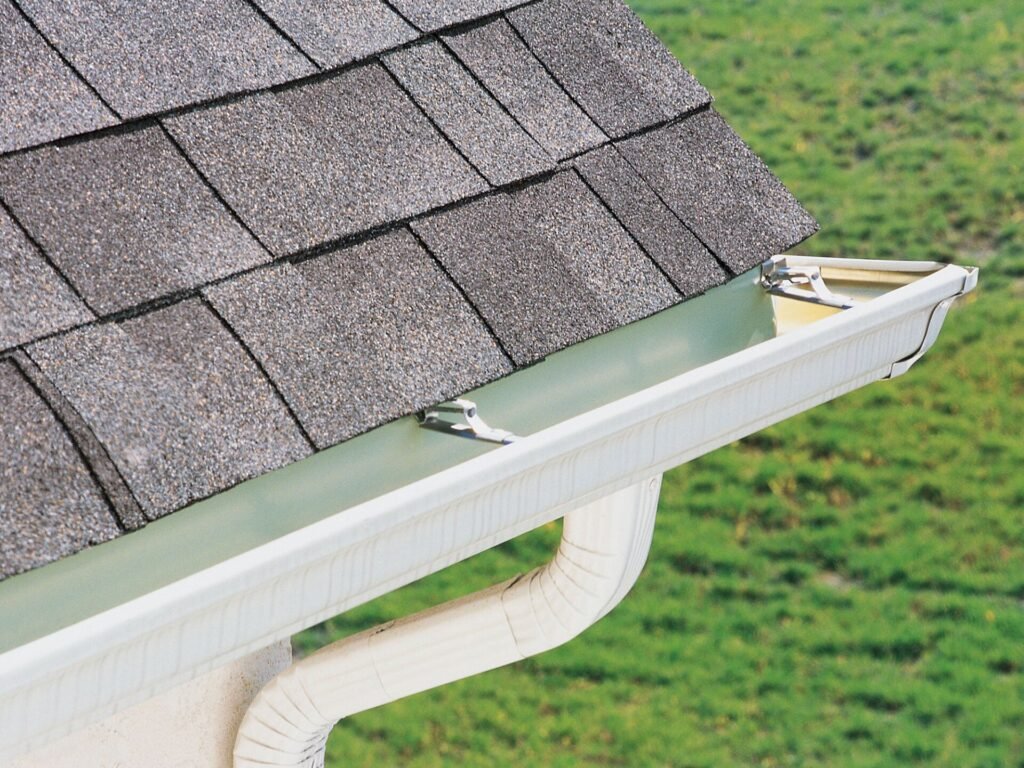
Gutters collect rainwater from your roof and direct it away from your home’s foundation. However, leaves, twigs, pine needles, and roof debris can quickly accumulate inside open gutter channels. In Cedar Rapids, IA, seasonal weather and nearby trees can make regular gutter cleaning an ongoing maintenance task for homeowners.
Installing gutter guards in Cedar Rapids, IA provides a practical way to limit the amount of debris entering your gutter system. These covers or screens sit over the gutter opening while allowing rainwater to pass through. The right guard helps reduce cleaning frequency and supports consistent water flow without eliminating the need for inspections and maintenance.
Why Gutter Debris Creates Drainage Problems
A gutter filled with leaves and debris cannot move water efficiently. During heavy rainfall, blocked sections can cause water to overflow over the gutter edge instead of traveling toward the downspouts. Persistent overflow can saturate soil near the foundation and contribute to erosion around the property.
Debris inside gutters also retains moisture. Wet organic material becomes heavier as it accumulates, placing additional weight on the gutter system. Over time, this stress can contribute to sagging, loose fasteners, and poor alignment.
Choosing the Right Gutter Guard Design
Gutter guards are available in several designs, including screens, micro-mesh systems, perforated covers, surface-tension guards, and foam inserts. Each type manages water and debris differently.
Screen guards use openings that help block leaves and larger debris while allowing water into the gutter. Micro-mesh guards use much finer openings designed to limit smaller debris, such as pine needles and roof grit. Perforated covers use small holes across a solid cover to allow water through while blocking larger material. Surface-tension guards use a curved surface to direct water into the gutter while encouraging debris to move over the edge. Foam inserts sit inside the gutter channel and allow water to pass through while helping keep larger debris out.
No gutter guard is completely maintenance-free. Small particles, seeds, roof grit, and organic material can still collect on or around the system. Choosing a design that matches your property’s surroundings makes maintenance more manageable.
How Gutter Guards Help Cedar Rapids Homes
Gutter guards create a barrier between the gutter channel and larger debris. The appropriate design depends on the type and amount of debris around the property, the existing drainage system, and how the system performs during different seasons.
When selecting a system, consider:
a) The types of trees surrounding your property
b) The amount of seasonal debris your roof receives
c) The slope and design of your roof
d) Existing gutter and downspout capacity
e) Local winter conditions and ice exposure
f) How accessible your gutters are for future maintenance
Gutter pitch should also be evaluated because guards cannot correct a gutter that does not direct water properly toward the downspouts. The relationship between the guard, gutter, roof edge, and drip edge also matters when determining how runoff enters the drainage system.
A professional assessment helps determine whether the existing gutter system is suitable for a guard installation or requires repairs first. Homeowners considering a roof-mounted or under-shingle guard should also ask how the installation method relates to their particular roofing manufacturer’s warranty requirements before work begins. Warranty terms vary by roofing product and installation method, so they should be verified for the specific roof rather than assumed.
How Winter Conditions Affect Gutter Guards
Cedar Rapids winters add another consideration when choosing a gutter guard. Snow and ice can collect around roof edges and gutter protection systems, and freezing conditions can affect how meltwater reaches the gutter. A guard does not prevent ice dams or eliminate other winter drainage problems.
The guard design, gutter pitch, roof conditions, and drainage path all influence winter performance. Homeowners should consider how easily a system can be inspected and maintained after snow, ice, and freeze-thaw conditions rather than choosing a product based only on summer debris protection.
Benefits Beyond Reduced Cleaning
A properly installed gutter guard system offers several practical advantages. Less debris entering the gutter reduces the likelihood of blockages and makes routine maintenance easier. Keeping water moving through the system also supports better control of roof runoff.
For homeowners in Cedar Rapids, IA, reducing the amount of manual gutter cleaning also improves accessibility and safety. Instead of repeatedly climbing ladders to remove large amounts of debris, homeowners can focus on periodic inspections and professional maintenance when needed.
Maintenance Still Matters After Installation
Gutter guards reduce debris buildup but do not remove the need for inspections. Check the system periodically for accumulated material, loose sections, damaged screens, and blocked water pathways. Examine the downspouts as well because a protected gutter still depends on clear outlets.
After major storms, inspect visible sections for movement or damage. Before winter, check that gutters and downspouts are secure and functioning properly. Addressing small issues early helps protect the entire drainage system.
Choosing Gutter Guards for Your Cedar Rapids Home
Gutter protection is an important part of maintaining reliable residential drainage. Gutter guards in Cedar Rapids, IA help limit debris buildup while supporting the normal flow of rainwater through the gutter system. The most effective solution depends on your roof, surrounding vegetation, existing gutters, and maintenance needs. Schedule a professional inspection to evaluate your gutters and determine whether a suitable guard system is right for your Cedar Rapids home.
Source URL: Gutter Guards in Cedar Rapids, IA: A Practical Guide to Cleaner Gutters