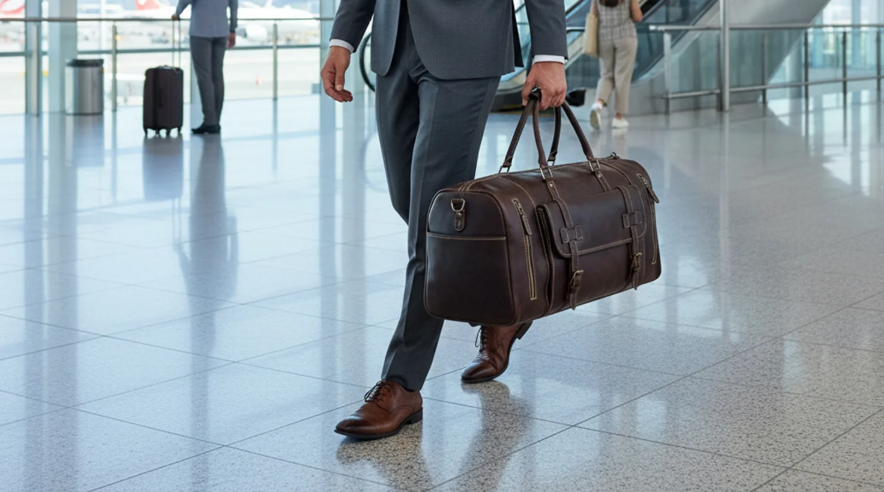
I used to carry a black nylon backpack everywhere. It was fine for college, but after walking into a high-stakes client meeting with suit trousers and a scuffed-up synthetic bag slung over one shoulder, I realized my gear wasn’t matching my professional environment. Making the jump to genuine leather bags for men felt like a bit of an investment at first, but it completely changed how I organize my workday and how people view my professional setup.
Good leather isn’t just about showing off. It’s tough, it handles getting shoved under airplane seats, and unlike canvas or polyester, it actually looks better as it gets older and breaks in. After carrying a few different styles over the past few years, through rainy train commutes, long flights, and daily desk work, I’ve learned what actually matters when picking out a leather bag. Here is a realistic look at the top styles, what to check before buying, and how to keep them in solid shape.
Exploring the Essential Types of leather bags for men
Different days call for different setups. What works for a quick commute across town might fall short when you need to pack an extra change of clothes alongside your tech gear.
The Professional Classic: Genuine Leather Briefcase for Men
Forget those rock-hard, boxy briefcases from old movies. A modern genuine leather briefcase for men is much more flexible and comfortable to carry. They give you structured compartments for hard-copy documents, notebooks, and a tablet, while keeping a slim profile that doesn’t feel bulky on public transit.
- Where it shines: Boardrooms, corporate offices, client lunches, and legal or finance environments.
- What to check for: Strong top handles that don’t dig into your palms when the bag is heavy, plus a thick, removable shoulder strap for longer walks.
Everyday Tech Carrier: Men’s Laptop Bag
If your daily life revolves around a laptop, portable monitor, mouse, and a tangle of charging cords, a dedicated men’ laptop bag is usually the smartest pick. These focus heavily on internal organization, featuring dedicated padded compartments designed to absorb small drops and bumps.
- Where it shines: Tech hubs, hybrid office setups, coffee-shop work sessions, and daily train commutes.
- What to check for: High-density foam padding along the bottom edge so your computer doesn’t bang against the floor when you set the bag down.
Hands-Free Mobility: Leather Messenger & Crossbody Bags
When I’m running around town doing errands or travelling light, I don’t always want a structured bag in my hand. Messengers sit comfortably across your back or hip, letting you reach your phone, keys, or transit pass without taking the whole bag off.
- Where it shines: Walking commutes, airport travel days, and casual Friday work environments.
- What to check for: A wide strap with a flexible shoulder pad—thin leather straps start digging into your shoulder fast if you pack a heavy water bottle.
Travel & Utility: Leather Duffle & Weekend Bags
For a two- or three-day trip, pulling a rolling suitcase through crowded sidewalks is a hassle. A thick leather duffle gives you plenty of space for a couple of outfits, an extra pair of shoes, and your dopp kit while looking great.
- Where it shines: Road trips, weekend getaways, and gym sessions right after work.
- What to check for: Heavy-duty two-way zippers that slide smoothly without snagging, along with reinforced stitching where the handles meet the main body.
Key Quality Markers: What to Look For Before Buying
A lot of bags on the market look good in polished studio photos, but feel cheap once you hold them in your hands. To make sure you’re getting real value for your money, check these four areas before buying:
- Hide Quality: Look for full-grain or thick top-grain hides, especially buffalo leather. Buffalo hide has a deep, natural texture and stands up to scratches better than thin cowhides. Stay far away from anything marked “bonded leather.” That’s essentially shredded leather scraps glued together with plastic resin, and it will peel and crack within months.
- Solid Hardware: Zippers, strap hooks, and side buckles take the brunt of daily force. Look for solid brass or thick stainless steel hardware. Cheap alloy metals snap easily when you load the bag down.
- Reinforced Stitching: Look closely at where the shoulder strap attaches to the bag. You want to see double stitching or heavy saddle stitching with thick, waxed thread. Single thin threads usually pull loose after a few months of heavy use.
- Durable Lining: A leather exterior won’t do you much good if the inside lining tears apart. Opt for heavy cotton canvas or real suede interiors over thin polyester.
Simple Care Routine for Long-Lasting Leather
You don’t need a drawer full of specialized chemicals to keep a leather bag looking sharp. Just follow a few basic rules:
- Condition twice a year: Rub a small amount of natural beeswax or lanolin leather conditioner into the leather every six months. This keeps the hide hydrated so it doesn’t dry out or crack, especially during cold winter months.
- Handle rain properly: If you get caught in a sudden downpour, don’t panic. Just wipe the bag dry with a soft cloth as soon as you get inside and let it air dry away from heaters or direct sun. Forced heat causes real leather to shrink and warp.
- Stuff it for storage: When you aren’t using the bag for a while, stuff it with clean paper or old t-shirts so it holds its original shape, and store it in a breathable cotton dust bag.
Final Thoughts on Investing in Premium Leather
Switching out cheap nylon for authentic leather isn’t just about looks—it’s about having reliable gear that handles daily abuse and gets better over time. Whether you choose a classic briefcase or a flexible laptop carrier, going with real materials pays off in the long run.
While checking out different handcrafted options recently, I spent some time exploring Luxury Handicraft. They do a great job focusing on durable buffalo leather goods, solid metal hardware, and clean stitching that holds up under real daily use. If you want carry gear that actually lasts, sticking to honest craftsmanship is always the right call.