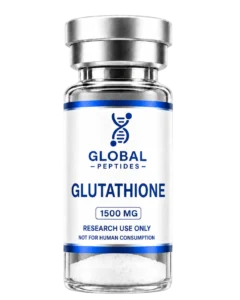
People searching for where to buy peptides in Australia may encounter websites, online marketplaces, social media pages, and specialist suppliers offering a wide range of peptide-related products. However, online availability does not automatically confirm product quality, safety, legal status, or suitability for a scientific project. Researchers should begin by identifying the purpose of their work and understanding what type of material is relevant to that purpose.
Peptides are short chains of amino acids that can influence biological processes. Some peptide-based medicines are approved for specific medical applications, while many products promoted online remain unapproved therapeutic goods. The Therapeutic Goods Administration explains that unapproved peptide products have not been evaluated for safety, quality, or effectiveness.
Choosing a Transparent Research Supplier
Supplier transparency is an important part of responsible research sourcing. A credible supplier should provide clear business information, identifiable product descriptions, relevant documentation, and accessible communication channels. Researchers should be cautious when a website provides limited information about its operations or makes broad claims without supporting evidence.
When evaluating where to buy peptides in Australia, it is useful to look beyond advertising language and examine whether the supplier explains product identity, batch information, quality processes, and intended research context. A professional-looking website or positive review alone cannot confirm that a peptide product is genuine, correctly labelled, or appropriately manufactured.
Reviewing Product Documentation
Product documentation can help researchers understand the characteristics of a material before considering it for a legitimate scientific application. Useful information may include the stated peptide name, batch or lot number, specifications, analytical results, storage conditions, and manufacturing details. Clear records support traceability and make later review more manageable.
Researchers should also check whether the information is consistent across product pages, labels, certificates, and other available records. Missing or contradictory details may indicate that additional verification is required. Documentation should be treated as evidence to review rather than an automatic guarantee of product quality.
Quality Factors to Consider
Quality assessment involves several factors rather than one isolated specification. Researchers may consider the identity of the material, stated purity, analytical testing, batch consistency, packaging, storage requirements, and traceability. These details can help establish whether the available information is suitable for the intended research environment.
Special attention is necessary when products are supplied in unmarked containers or with unclear labels. The TGA has warned that some imported peptide products have unknown contents, missing ingredient information, poor labelling, and uncertain sterility. Such concerns can make it difficult to determine what a product actually contains.
Australian Regulatory Requirements
In Australia, peptide products may fall under the therapeutic goods framework depending on their presentation, claims, intended use, and supply circumstances. The TGA states that peptide products are regulated as therapeutic goods and that unapproved products are not included in the Australian Register of Therapeutic Goods, or ARTG. Additional state and territory requirements may also apply.
This means that searching for where to buy peptides in Australia should include an understanding of regulatory status. A product described as being for research purposes does not automatically become exempt from Australian requirements. TGA guidance confirms that a “research use only” disclaimer alone does not change regulatory status, permit importation, or remove advertising and supply obligations.
Research Materials and Therapeutic Products
Research materials and therapeutic products should not be treated as interchangeable categories. A material discussed in a laboratory context may still be subject to regulatory controls if it is presented, promoted, supplied, or used as a therapeutic good. Researchers and businesses should therefore review the intended application and relevant obligations separately.
The distinction is especially important when online listings mention health benefits, body composition, recovery, anti-ageing, or performance outcomes. The TGA has raised concerns about unapproved peptide products promoted with such claims because these products may not have undergone appropriate assessment for safety, quality, or effectiveness.
Key Supplier Information to Review
Before assessing a peptide supplier, researchers can organise the available information into a structured checklist:
- Clear product identity and description
- Batch or lot identification
- Available analytical documentation
- Storage and handling guidance
- Supplier business details
- Traceability information
- Relevant regulatory statements
- Clear communication and documentation practices
These points can support a more consistent review process, but they do not independently establish that a product is approved, safe for human use, or legally available for every purpose. Where important information is missing, researchers should record the uncertainty rather than relying on assumptions.
Risks of Unknown Online Sources
Unverified online sources may present risks involving inaccurate labels, unknown ingredients, contamination, incorrect concentrations, and unsuitable storage conditions. These concerns are particularly significant when products are sold as powders or injectables. The TGA advises Australians to be cautious when purchasing peptide products online, particularly from overseas websites, social media platforms, or informal sellers.
A website’s design, customer testimonials, influencer promotion, or product photographs cannot confirm manufacturing standards. The TGA and Australian health authorities have reported serious health concerns associated with some unapproved peptide products, including severe allergic reactions, liver damage, and other complications requiring medical attention.
Responsible Online Research
Responsible research sourcing begins with clear objectives, reliable information, and appropriate oversight. Researchers should maintain records of supplier communications, product documentation, batch details, and any quality-related information received. This approach supports accountability and makes it easier to identify gaps before materials are considered for a project.
People seeking therapeutic products should consult a qualified healthcare professional and use legitimate Australian healthcare channels. NSW Health advises that peptide products not prescribed by a healthcare professional and not supplied through a registered Australian pharmacy should not be purchased or used.
Global Sciences and Research-Focused Sourcing
Global Sciences supports a research-focused approach to understanding peptide materials, supplier information, documentation, quality considerations, and responsible sourcing practices. Clear educational content can help readers distinguish scientific research information from unsupported commercial claims and understand why product transparency matters.
For anyone researching where to buy peptides in Australia, informed evaluation should remain more important than promotional promises. Reviewing documentation, understanding regulatory responsibilities, and recognising the limitations of unapproved products can contribute to a more careful and responsible research process.
Conclusion
Understanding where to buy peptides in Australia requires more than locating an online supplier. Researchers should consider product documentation, supplier transparency, traceability, quality information, intended use, and applicable Australian regulations before evaluating any peptide-related material.
The TGA continues to warn about the risks associated with unapproved peptide products, particularly those purchased through overseas websites, social media, and unverified online sources. A documentation-led and research-focused approach allows readers to assess information more carefully while recognising that online availability does not guarantee safety, approval, or suitability.