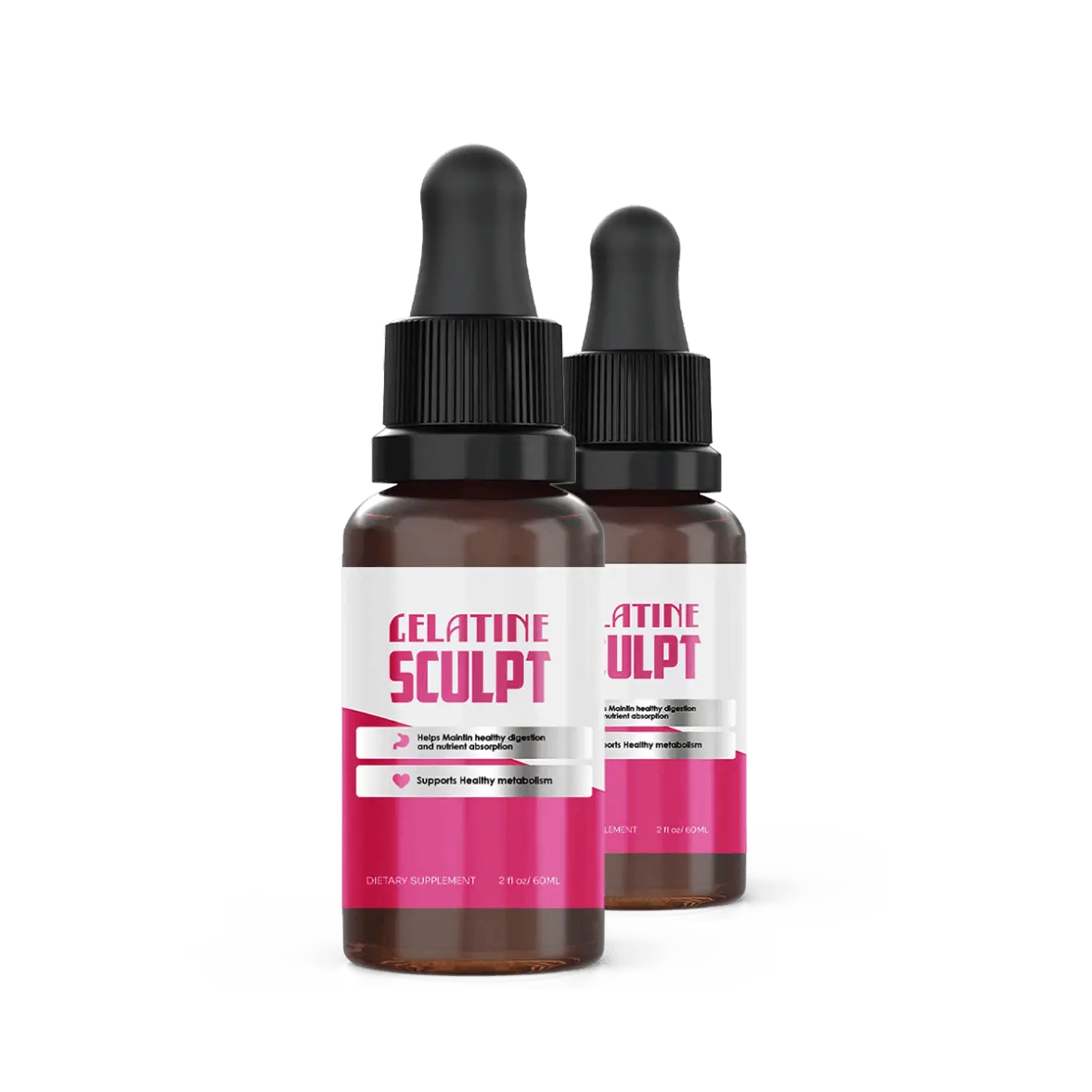
Gelatine Sculpt can be discussed within the broader category of nutritional products that incorporate gelatin or collagen-derived ingredients. Gelatin is a protein produced from collagen and has been used in food preparation, capsule manufacturing, and nutritional formulations for many years. Learning about gelatin, understanding how supplement formulations are structured, and knowing what information to look for on product labels can help consumers approach these products with greater awareness.
Nutritional formulations can contain a combination of ingredients with different functions. Some components may contribute nutritional value, while others can be used for texture, stability, flavor, or product structure. Because of these differences, examining the complete formulation is generally more informative than judging a product by its name or a single ingredient.
What Gelatin Is
Gelatin is a protein obtained through the controlled processing of collagen. Collagen is a structural protein naturally found in connective tissues. Processing changes collagen into gelatin, giving the resulting ingredient properties that are useful in both food and manufacturing.
Gelatin is known for its ability to dissolve under warm conditions and form a gel when cooled. This characteristic makes it a popular ingredient in many recipes and manufactured food products.
It also contains amino acids and contributes protein to products in which it is included. The exact composition can vary depending on the source and production process.
Gelatin and Collagen Differences
Although gelatin and collagen are closely related, they are not necessarily interchangeable terms. Gelatin is created through the processing of collagen, while collagen peptides are generally processed further to create smaller protein fragments.
The difference can affect how each ingredient is used. Gelatin is commonly associated with food texture and capsule production, while collagen peptides are often used in powders, beverages, and other nutritional formats.
For consumers researching a supplement, checking the precise ingredient terminology on the label can provide a better understanding of the formulation.
Understanding the Full Formula
A complete ingredient list can provide important information about a nutritional product. Consumers can examine the serving size, quantities, additional ingredients, directions for use, and storage information.
A formulation may include several components alongside gelatin or collagen-related ingredients. Depending on the product, these could include vitamins, minerals, flavoring substances, sweeteners, or other nutritional ingredients.
Looking at the complete formula helps consumers understand what they are actually consuming rather than relying entirely on promotional descriptions.
Everyday Applications of Gelatin
Gelatin has a long history of use in the food industry. It can provide structure to desserts and confectionery products and may also function as a stabilizer or texturizing ingredient.
Another important application is capsule manufacturing. Gelatin can be shaped into capsule shells and is therefore widely used in various nutritional and pharmaceutical products.
Its presence in a supplement does not automatically indicate a specific nutritional benefit. The purpose of the ingredient depends on how it is incorporated into the finished formulation.
Nutrition and Daily Wellness
A nutritional supplement is generally intended to complement an individual’s normal diet. It should not automatically be considered a replacement for nutritious meals.
A varied eating pattern can include different sources of protein, vegetables, fruits, whole grains, healthy fats, and adequate fluids. These foods provide a broad range of nutrients that support normal dietary needs.
Lifestyle habits can also influence overall wellness. Regular physical activity, sufficient sleep, hydration, and balanced meals can all contribute to a consistent daily routine.
Reading Labels Before Use
Carefully reading product packaging is a practical step before using any supplement. Consumers can look for the serving size, complete ingredient list, manufacturer information, directions, and storage recommendations.
Ingredient sources are especially relevant for people with dietary restrictions. Traditional gelatin is generally obtained from animal-derived collagen, so individuals who avoid animal ingredients should verify the source before using a product.
Those with food allergies or sensitivities should also review allergen information carefully.
Product Quality Considerations
Quality and transparency can make a significant difference when comparing nutritional products. Clear labeling allows consumers to understand the formulation and intended serving.
Information about manufacturing practices, quality-control procedures, and testing may provide additional context when such information is available.
Consumers should also distinguish between product facts and promotional claims. Statements suggesting guaranteed or immediate outcomes should be approached carefully because individual experiences can vary.
Responsible Use of Nutritional Products
Responsible supplement use begins with following the manufacturer’s recommended serving instructions. Taking more than the suggested amount is not automatically a better approach.
People who use multiple nutritional products should compare ingredient lists to identify overlapping ingredients. This can help create a clearer picture of overall supplement consumption.
Proper storage is another simple but important consideration. Following the storage conditions provided by the manufacturer can help preserve the product during its stated shelf life.
Individual Dietary Requirements
Different people have different nutritional needs, preferences, and restrictions. For this reason, ingredient sources and formulation details should be considered before choosing a product.
Individuals who are pregnant or breastfeeding, taking medications, managing a health condition, or considering a supplement for a particular health concern may want to consult a qualified healthcare professional before use.
This approach can help ensure that nutritional products are considered within the context of an individual’s broader needs.
Making an Informed Choice
Researching a nutritional supplement can begin with a few straightforward steps. Consumers can read the complete ingredient list, check serving information, understand ingredient sources, and review manufacturer directions.
It is also helpful to maintain realistic expectations. Supplements can complement a broader wellness routine, but they should not replace balanced nutrition, regular activity, adequate rest, and other healthy lifestyle practices.
Final Thoughts
Gelatine Sculpt can be considered within the wider landscape of gelatin-based and collagen-related nutritional formulations. Understanding what gelatin is, learning how it differs from other collagen-derived ingredients, reviewing the complete formula, and considering individual dietary requirements can help consumers make more informed choices. A thoughtful approach combines accurate product information with balanced nutrition, regular movement, adequate hydration, sufficient sleep, and responsible supplement practices.