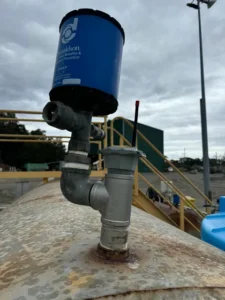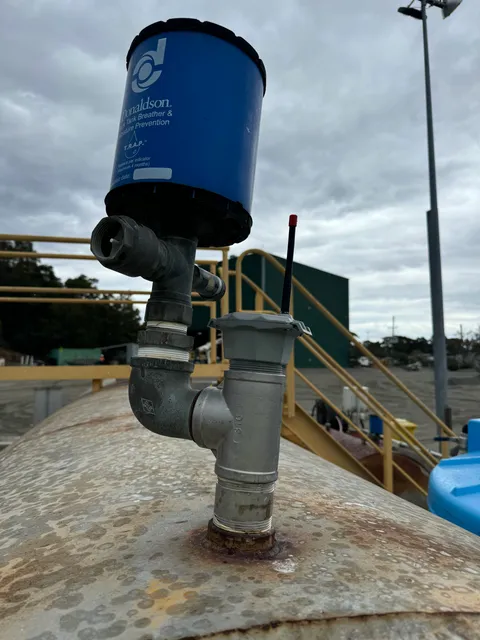
Managing liquid storage across multiple locations can be challenging for businesses that rely on fuel, lubricants and industrial containers. Modern remote tank level monitoring technology helps organisations access tank information without depending entirely on manual inspections. A reliable fuel tank monitoring system can support better diesel inventory management, while an IBC level monitoring system can help businesses track liquid levels in intermediate bulk containers. GAT Solutions provides tank monitoring technology designed to help businesses improve visibility across their stored liquids and make more informed operational decisions.
Understanding Remote Tank Level Monitoring
Remote tank level monitoring uses sensors and connected electronic devices to measure the amount of liquid stored inside a tank. The collected information is transmitted to a monitoring platform, where authorised users can review readings remotely.
This technology can be useful for businesses managing storage tanks at industrial facilities, mining sites, farms, construction projects and remote locations.
Instead of sending employees to inspect every tank, businesses can access available level information through a connected dashboard or monitoring system. Depending on the equipment and configuration, the platform may also provide historical readings, reports and notifications when levels reach configured thresholds.
The monitoring method should be selected according to tank dimensions, liquid properties, installation conditions and required measurement accuracy.
Benefits of Remote Tank Monitoring for Businesses
Remote monitoring can make liquid inventory management more organised, particularly when storage assets are spread across different locations.
Some important advantages include:
- Improved visibility: Access reported liquid levels without relying entirely on physical inspections.
- Better inventory planning: Use available readings to support replenishment and delivery decisions.
- Reduced manual checks: Limit routine visits made solely to inspect tank levels.
- Centralised information: Review readings from multiple connected tanks through a suitable platform.
- Historical data: Understand how reported liquid levels change over time.
- Operational convenience: Make tank information easier for relevant employees to access.
These benefits depend on the sensor technology, installation quality, communication coverage and monitoring platform.
Fuel Tank Monitoring System for Better Diesel Management
Fuel storage is essential for industries that operate vehicles, generators and heavy machinery. Maintaining suitable diesel inventory is important for supporting daily operations and planning fuel deliveries.
A fuel tank monitoring system uses compatible sensors to measure fuel levels and transfer readings to a connected platform. This allows businesses to review available fuel information without regularly visiting every storage tank.
Depending on the system, users may be able to monitor multiple tanks, review historical readings and receive low-level notifications when configured conditions are met.
Fuel monitoring can be useful across several industries:
- Mining: Track diesel inventory at remote operational sites.
- Transport: Monitor fuel storage at fleet depots and maintenance facilities.
- Agriculture: Keep track of diesel supplies used by farm machinery.
- Construction: Review fuel levels at project sites and equipment yards.
- Manufacturing: Monitor stored fuel used for generators and other equipment.
Choosing suitable sensors and communication technology is important because tank design, fuel conditions and installation requirements can affect monitoring performance.
IBC Level Monitoring System for Industrial Containers
Intermediate bulk containers (IBCs) are widely used for storing and transporting industrial liquids. They can contain lubricants, chemicals, water and other materials, depending on the container’s specifications and intended use.
An IBC level monitoring system helps businesses access information about the amount of liquid remaining inside compatible containers. This can be particularly useful when several IBCs are stored across warehouses, production areas or industrial facilities.
Remote monitoring can support inventory planning and help staff identify containers that may require replenishment or inspection.
Before selecting an IBC monitoring device, businesses should consider container dimensions, material, liquid compatibility, sensor placement and installation requirements. Not every sensor is suitable for every container or stored liquid, so technical compatibility should be confirmed.
Connectivity and Remote Data Access
Communication technology allows monitoring devices to transfer collected readings to a central platform. The right option depends on the location, network coverage and required reporting frequency.
4G connectivity may be suitable for tanks located in areas with reliable cellular coverage. It allows compatible devices to send monitoring information without requiring a local wired internet connection.
For isolated sites, satellite communication may be considered where conventional mobile networks are unavailable. Suitability depends on service availability, equipment compatibility and operating conditions.
Businesses should assess network coverage, power requirements, data transmission frequency and installation conditions before choosing a connectivity option.
Important Factors When Choosing a Monitoring Solution
Not every tank monitoring system will suit every application. A suitable solution should be selected after understanding the storage requirements and operating environment.
Consider these factors before making a decision:
- Tank compatibility: Check tank dimensions, shape, material and installation conditions.
- Sensor suitability: Confirm that the sensor is appropriate for the stored liquid and measurement requirements.
- Connectivity: Identify the communication method available at each location.
- Reporting features: Review dashboard access, historical readings and notification options.
- Power requirements: Consider whether the device uses a fixed supply or battery.
- Maintenance: Understand inspection, calibration and servicing requirements.
A clear assessment helps businesses choose equipment that supports their actual operational needs.
Explore GAT Tank Monitoring Solutions
GAT Solutions provides tank monitoring technology for businesses looking to improve visibility across fuel storage, lubricants and industrial containers. Organisations can explore suitable options based on tank specifications, remote monitoring requirements, connectivity and reporting needs.
Whether managing a single tank or multiple storage assets, a properly planned monitoring system can make important liquid-level information easier to access.
Make Liquid Storage Management Easier
Remote monitoring technology gives businesses a practical way to track stored liquids and improve inventory awareness. From diesel storage and lubricant tanks to compatible IBC containers, the right equipment can support better planning and more organised operations.
Explore GAT Solutions to learn more about remote tank monitoring options and identify a suitable approach for your business requirements.