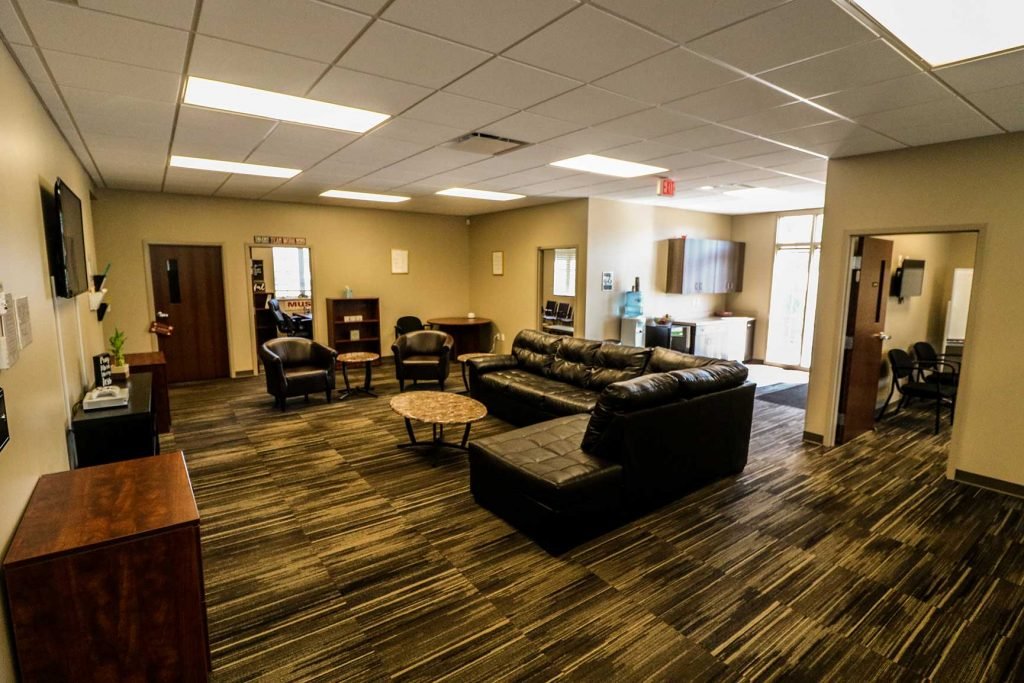
Finding the right addiction recovery center ohio can feel overwhelming, especially when someone is dealing with substance use, withdrawal, family pressure, or uncertainty about what happens next. Ohio has many treatment options, but not every program provides the same level of care. The right choice depends on a person’s substance use history, physical health, mental health, living situation, and recovery goals.
Treatment also works best when it is viewed as a process rather than a single event. Some people need medically supervised withdrawal followed by residential treatment. Others may benefit from outpatient counseling while continuing work or school. Understanding these differences can make the search less confusing and help families ask better questions before committing to a program.
Understanding Addiction Treatment in Ohio
Addiction treatment is not one-size-fits-all. A quality recovery program begins by assessing the individual rather than automatically placing everyone into the same treatment plan.
Depending on the situation, treatment may include medical care, behavioral therapy, peer support, medication-assisted treatment, family counseling, and continuing-care planning.
For example, someone experiencing alcohol dependence may need medical supervision during withdrawal because sudden withdrawal can become dangerous. Another person with a less severe substance use disorder may be able to participate in an outpatient program without residential care.
Levels of Care
Understanding treatment levels can help families determine what type of support may be appropriate.
Medical detox: Detoxification focuses on safely managing withdrawal. Medical professionals can monitor symptoms and provide appropriate care when withdrawal creates health risks.
Residential treatment: Patients live at a treatment facility while receiving structured therapy, support, and daily supervision. This environment can be particularly useful when a person’s home environment makes recovery difficult.
Partial hospitalization: This provides intensive treatment during the day while allowing the individual to return home or to supportive housing.
Intensive outpatient treatment: Patients attend treatment several times per week but maintain more independence.
Outpatient care: This typically involves scheduled counseling, medical appointments, or recovery support while the person continues daily responsibilities.
The appropriate level can change over time. Someone may begin with intensive treatment and gradually move toward less structured care as stability improves.
How to Choose an Addiction Recovery Center in Ohio
Choosing a treatment center should involve more than comparing websites or facility appearances. Consider the following practical steps.
1. Start With a Professional Assessment
Before choosing a program, determine what type of treatment is actually needed.
Ask whether the facility conducts a comprehensive assessment covering:
- Substance use history
- Withdrawal risks
- Physical health
- Mental health
- Previous treatment experiences
- Current medications
- Family and social circumstances
- Recovery goals
A proper assessment can prevent someone from entering a program that is either too intensive or insufficient for their needs.
2. Verify Licensing and Qualified Staff
Treatment providers should operate according to applicable Ohio requirements and employ appropriately qualified professionals.
Ask who will provide treatment. Depending on the program, the team may include physicians, nurses, licensed counselors, social workers, therapists, and peer recovery specialists.
Do not hesitate to ask about credentials. A reputable provider should be able to explain its clinical staffing and treatment approach clearly.
3. Examine the Treatment Approach
Look for programs that use evidence-informed behavioral therapies and individualized treatment plans.
Ask specific questions such as:
- How is each treatment plan developed?
- How frequently are patients evaluated?
- What therapies are offered?
- Is medication-assisted treatment available when clinically appropriate?
- Is mental health treatment integrated into care?
- How does the program handle relapse?
These questions provide much more useful information than simply asking whether a facility is “good.”
4. Look Beyond Detox
Detox can be an important first step, but it does not by itself address the underlying causes of addiction.
For example, a person might successfully complete alcohol detox but still struggle with anxiety, stressful relationships, or environmental triggers. Without continuing treatment, the risk of returning to substance use may remain.
Ask what happens after detox. A strong program should have a clear transition plan involving ongoing therapy, recovery support, medication management when appropriate, or another suitable level of care.
Common Mistakes and Challenges
Families often make decisions under intense emotional pressure. That can lead to avoidable mistakes.
Choosing Based Only on Location
Convenience matters, but the closest facility is not necessarily the best fit. A slightly farther program may provide services that are more appropriate for the person’s needs.
Assuming Residential Treatment Is Always Better
More intensive treatment is not automatically better. The correct level depends on clinical needs, safety, stability, and available support.
For example, someone with a stable home environment and reliable transportation might succeed with outpatient treatment. Someone facing an unsafe living situation may need a more structured setting.
Ignoring Co-Occurring Mental Health Issues
Substance use and mental health concerns frequently overlap. Treating only one problem can make long-term recovery more difficult.
Ask whether the program can evaluate and address conditions such as depression, anxiety, trauma-related symptoms, or other behavioral health concerns.
Treating Relapse as Total Failure
Recovery is rarely perfectly linear. A return to substance use can indicate that the treatment plan needs adjustment rather than proving that recovery is impossible.
Programs should respond to setbacks with appropriate assessment, safety planning, and treatment modifications.
Practical Tips for Families
Families can make the process easier by preparing questions before contacting treatment providers.
Create a short list of essential information, including the substances involved, approximate duration of use, previous treatment, current medications, known medical concerns, and immediate safety issues.
When speaking with a provider, ask for concrete details rather than general assurances.
For example, instead of asking, “Will this treatment work?” ask, “How do you measure progress, and how often is the treatment plan reviewed?”
Also ask about practical issues such as transportation, visitation, communication policies, discharge planning, continuing care, and what happens if the recommended level of treatment changes.
Insurance and payment arrangements should also be discussed before admission. Ask what services are covered, what out-of-pocket costs may apply, and whether financial assistance or alternative payment arrangements exist.
Most importantly, involve the person receiving treatment whenever possible. Recovery tends to be more sustainable when individuals understand their treatment plan and participate in decisions about their care.
Building a Recovery Plan Beyond Treatment
Long-term recovery involves more than completing a program. Daily routines, relationships, employment, housing, physical health, and social support can all influence recovery.
A practical continuing-care plan might include regular counseling, peer recovery meetings, medication management when appropriate, exercise, improved sleep habits, and strategies for handling triggers.
Consider a person returning to work after residential treatment. Their plan might include weekly therapy, a recovery-support group, scheduled medical appointments, and avoiding specific situations associated with previous substance use. These small structures can make the transition back to everyday life more manageable.
Families can also establish healthy boundaries while offering support. Helping someone recover does not mean taking responsibility for every decision they make.
Conclusion
Choosing an addiction recovery center in Ohio requires careful consideration of clinical needs, treatment methods, staff qualifications, level of care, mental health support, and continuing-care planning. The best program is not necessarily the largest, closest, or most expensive facility. It is the one that provides an appropriate, individualized approach and a realistic path toward ongoing recovery.
Take time to ask detailed questions, verify credentials, understand the treatment process, and consider what support will be available after formal treatment ends. A thoughtful decision at the beginning can help create a stronger foundation for lasting recovery.