Have you been through something scary or painful that you cannot stop thinking about? Do you feel different than you did before it happened? You might be dealing with something called post-traumatic stress disorder, or PTSD. This is a real condition that affects many people after they experience trauma.
The good news is that PTSD can be treated. You do not have to feel stuck forever. Understanding what is happening to you is the first step toward feeling better. Let’s talk about what PTSD is, how it affects people, and what you can do to heal.
What Is PTSD?
Post traumatic stress disorder happens after someone goes through or sees something very frightening or dangerous. This could be a car accident, a natural disaster, violence, abuse, or losing someone you love in a sudden way. Not everyone who experiences trauma will develop PTSD, but many people do.
When you have PTSD, your brain gets stuck in danger mode. Even though the scary event is over, your mind and body still act like the danger is happening right now. This makes everyday life very hard. You might feel afraid even when you are safe. Your brain is trying to protect you, but it is working too hard.
PTSD is not a sign of weakness. It does not mean something is wrong with you as a person. It means your brain needs help processing what happened. Many strong, brave people develop PTSD after trauma. It can happen to anyone.
Common Signs and Symptoms
People with PTSD experience different symptoms, but there are some common ones to watch for. You might have nightmares about what happened. Bad memories might pop into your head when you do not want them to. These are called flashbacks, and they can make you feel like the trauma is happening all over again.
Many people try to avoid anything that reminds them of the trauma. You might stay away from certain places, people, or activities. You might not want to talk about what happened. Some people cannot remember parts of the traumatic event, while others cannot stop thinking about it.
Feeling on edge all the time is another common symptom. You might startle easily when you hear loud noises. You might have trouble sleeping or concentrating. Some people feel angry or irritable for no clear reason. Others feel numb and disconnected from the people they love.
You might also notice changes in how you think about yourself and the world. You might blame yourself for what happened. You might feel like you cannot trust anyone. Some people lose interest in things they used to enjoy. These changes can make you feel very alone.
Who Can Develop PTSD?
Anyone can develop PTSD after going through trauma. Children, teenagers, and adults all can be affected. It does not matter how tough or strong you are. The brain responds to extreme stress in ways we cannot always control.
Some types of trauma are more likely to cause PTSD than others. Events that involve violence, threat to life, or loss of a loved one carry higher risk. Trauma that happens over and over, like ongoing abuse, can be especially damaging. But even a single scary event can lead to PTSD in some people.
Certain factors can make someone more likely to develop PTSD. If you have been through trauma before, you might be at higher risk. People who do not have good support from friends and family may struggle more. Having other mental health conditions like depression or anxiety can also increase your chances of developing PTSD.
However, having risk factors does not mean you will definitely get PTSD. Many people with these risk factors never develop it. And people without any risk factors can still be affected. Every person responds to trauma differently.
How PTSD Affects Daily Life
Living with PTSD can make normal activities feel impossible. Going to work or school might be hard when you cannot concentrate or sleep. Relationships suffer when you feel disconnected from others or get angry easily. Some people turn to alcohol or drugs to numb their feelings, which only makes things worse.
Your physical health can be affected too. The constant stress takes a toll on your body. You might get sick more often. You might have headaches, stomach problems, or muscle tension. Some people develop other health issues because stress weakens the immune system.
Social life becomes difficult when you avoid people and places. You might stop seeing friends. You might give up hobbies you used to love. This isolation makes the PTSD symptoms worse because you lose the support and connection you need to heal.
Work and school performance often decline. It is hard to focus when your mind keeps replaying traumatic memories. You might miss days because you feel too anxious or tired. Some people lose their jobs or drop out of school because PTSD makes daily tasks too overwhelming.
Treatment Options That Work
The most important thing to know is that PTSD can be treated. You do not have to suffer alone. Many people with PTSD get better with the right help. Treatment works, and it is worth reaching out.
Therapy is one of the most effective treatments for PTSD. A type of therapy called trauma-focused therapy helps you process what happened in a safe way. The therapist helps you face your memories without feeling overwhelmed. You learn new ways to think about the trauma that are less painful.
Another helpful therapy is called EMDR, which stands for Eye Movement Desensitization and Reprocessing. This therapy uses eye movements or other forms of stimulation while you think about the trauma. It helps your brain process the memories differently so they become less disturbing.
Medication can also help manage PTSD symptoms. Antidepressants are commonly prescribed because they help with mood, anxiety, and sleep. Medication works best when combined with therapy. Your doctor can help you find the right medication if you need it.
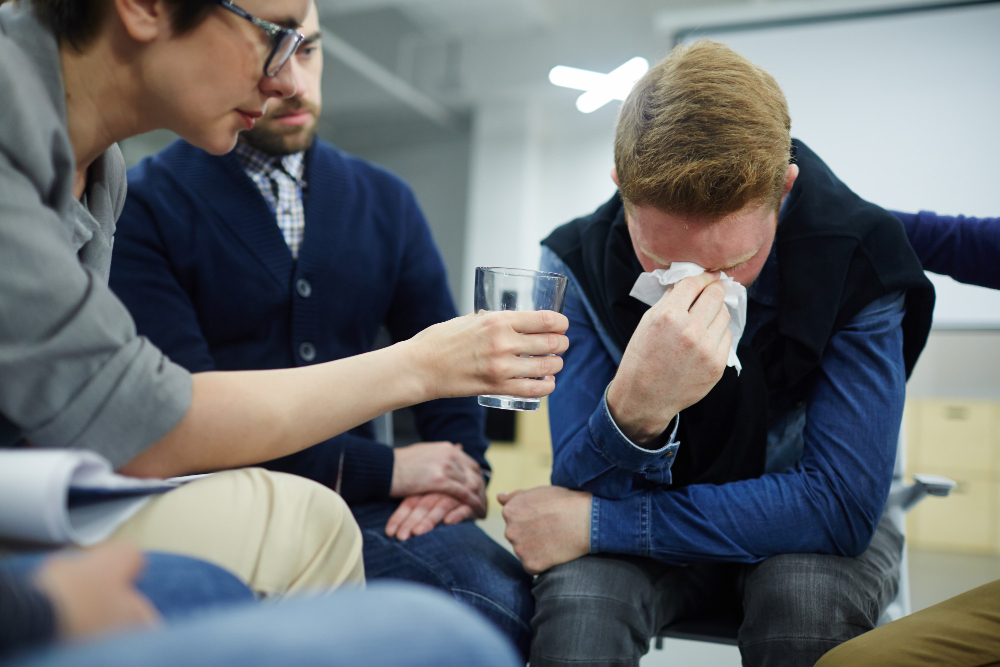
Support groups provide a safe space to share your experiences with others who understand. Talking to people who have been through similar trauma can reduce feelings of isolation. You realize you are not alone and that recovery is possible.
Taking the First Steps Toward Healing
If you think you might have PTSD, the first step is to talk to someone. This could be a doctor, therapist, or counselor. They can evaluate your symptoms and recommend treatment. Many people feel nervous about seeking help, but it gets easier once you take that first step.
Be honest about what you are experiencing. Tell the professional about the trauma and how it affects your daily life. The more information they have, the better they can help you. Remember that these professionals are trained to help people with trauma. They will not judge you.
While you wait for professional help, there are things you can do to take care of yourself. Try to maintain a regular sleep schedule. Eat healthy foods and avoid too much caffeine or alcohol. Gentle exercise like walking can help reduce stress. Spend time with people who make you feel safe and supported.
Learning about PTSD is also helpful. Understanding what is happening in your brain can make the symptoms less frightening. Reading about how others have recovered can give you hope that you can heal too.
Building a Support System
Recovery from PTSD is easier when you have support. Talk to people you trust about what you are going through. This might be family members, close friends, or a support group. Let them know how they can help you. Sometimes just having someone listen makes a big difference.
Set boundaries to protect your mental health. It is okay to say no to situations that feel too stressful. It is okay to take breaks when you need them. Taking care of yourself is not selfish. It is necessary for healing.
Be patient with yourself. Recovery takes time. Some days will be better than others. That is normal. Celebrate small victories, like getting through a difficult day or trying a new coping skill. Every step forward matters, even the tiny ones.
Hope for the Future
Living with PTSD is difficult, but recovery is possible. Many people who get treatment go on to live happy, fulfilling lives. The trauma will always be part of your story, but it does not have to control your future. With help, you can learn to manage symptoms and find peace again.
Do not give up hope. Reaching out for help is a sign of strength, not weakness. You deserve to feel better. You deserve to enjoy life again. Treatment works, and healing is within reach. Take that first step today.