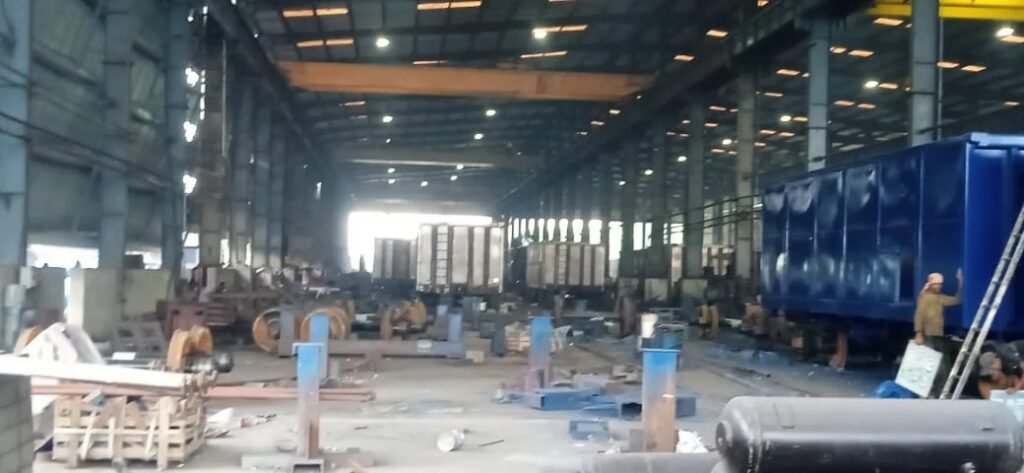
Factory Shed
Setting up or expanding a manufacturing unit is a big step. One of the first decisions you will face is the building itself. A well-planned factory shed protects your machinery, keeps workers safe and gives your business room to grow. A poor one can cost you money for years through leaks, wasted space and expensive repairs.
This guide explains the main types, the costs and the design choices that matter most in 2026. It is written in simple terms so you can plan with confidence.
What Is a Factory Shed?
A factory shed is a large, open industrial building used for manufacturing, assembly, processing or storage. Most are built with a steel frame and metal roof and wall sheets. Steel is popular because it is strong, quick to build and easy to maintain, which makes it a smart choice for almost any factory shed project. The same technology is also used to make a steel storage building for raw materials, finished goods or equipment.
Types of Factory Shed Structures
Choosing the right type depends on your work, budget and future plans. Here are the most common options:
- Pre-Engineered Buildings (PEB): Steel parts are designed and made in a factory, then bolted together on site. This is fast and gives you wide, column-free spans.
- Conventional steel sheds: Built from standard steel sections and fabricated on site. They suit smaller projects and simple layouts.
- RCC and steel combination sheds: Concrete lower walls with a steel roof. These work well where heavy impact or fire resistance is needed.
- Mezzanine-ready sheds: Designed with extra strength so you can add a second floor for offices or storage later.
For most new industrial projects, PEB is the favourite. It saves time and reduces material waste.
Factory Shed Cost in 2026
There is no single price, because every project is different. As a rough guide, many steel industrial sheds fall between ₹900 and ₹2,200 per square foot. Treat this as an estimate only. Your final quote depends on several factors:
- Size and height: Bigger and taller buildings need more steel.
- Steel prices: Market rates change, so quotes have a limited validity.
- Roof and wall sheets: Insulated or coated sheets cost more but save energy.
- Foundation and soil: Weak soil may need deeper, costlier foundations.
- Extras: Cranes, ventilators, skylights, doors and flooring add to the total.
A good tip is to ask for a detailed breakup instead of one lump sum. It helps you compare offers fairly and spot hidden charges.
Smart Design Tips for 2026
A good design saves money long after construction ends. Keep these points in mind:
- Plan your workflow first. Map how material enters, moves through production and leaves. Then design the layout around it.
- Allow for future growth. Ask your builder to design the frame so you can extend it later without major changes.
- Use natural light and air. Translucent roof sheets and roof ventilators reduce electricity use and keep the space comfortable.
- Choose the right roof slope and gutters. Heavy rain damages poorly drained roofs. Good drainage prevents leaks and rust.
- Think about safety. Include wide exits, fire safety provisions and proper load planning for machinery.
- Pick durable coatings. Galvanised or well-coated steel lasts longer, especially near coastal or humid areas.
Why Choose CND Engineering?
Your building is a long-term investment, so the team behind it matters. At CND Engineering, we focus on practical, durable steel structures built around your actual needs, not a one-size-fits-all template.
- Custom designs based on your process, space and budget
- Quality materials and careful workmanship at every stage
- Clear pricing with no surprise costs
- On-time delivery with regular updates during the build
- Support after handover for maintenance and future expansion
Whether you need a production unit or a large steel storage building, we guide you from the first sketch to the final handover.
Frequently Asked Questions
How long does it take to build a factory shed?
Most steel factory shed projects take a few weeks to a few months, depending on size and site conditions. PEB structures are usually faster than traditional construction.
How much does a factory shed cost?
It varies by size, design and materials. Many projects fall in a broad range per square foot, so a site-specific quote is the only reliable answer.
How long does a steel shed last?
With proper coating and regular maintenance, a steel shed can serve you for several decades.
Can I expand my shed later?
Yes, if it is planned from the start. Tell your builder about future growth so the frame can be designed for it.
Is a steel storage building better than a concrete one?
For most industrial needs, steel is faster to build, more flexible and often more economical. Concrete may suit special cases like heavy fire-resistance requirements.
Final Thoughts
A strong factory shed supports your business every single day. Start with a clear understanding of your needs, compare detailed quotes and choose a partner you trust. With smart planning, your new space will stay safe, efficient and ready to grow with you in 2026 and beyond.